
Blog
Detached vs Attached Garages: What Minnetonka Homeowners Deal With
Minnetonka homes built mostly between 1957 and 2005 split between detached and attached garages. Here's how that affects door problems, checks, and cold-weather wear.
What Is Going On
Minnetonka's housing stock runs 1957 to 2005, with the median build year landing around 1977. That spread matters here because it covers two very different eras of garage construction. Houses from the late 1950s and 1960s often went up with a detached garage set back from the house, sometimes down a short driveway slope toward the back lot. Houses from the 1980s and later, part of that same median-1977 wave stretching into newer builds, were built with the garage attached and the door opening right off the house wall.
The difference isn't cosmetic. A detached garage door has no shared wall insulation, no attic air above it, and usually sits closer to grade, which means more exposure on all four sides. An attached garage door gets some passive warmth from the house itself, but it also sits on a slab that's tied into the home's foundation movement, which shows up as door frames racking slightly out of square over forty-plus years.
Across the 52 named areas that make up this part of the stock, we see both setups often on the same block, sometimes on the same lot after a remodel added a garage that wasn't there originally. Knowing which one you have changes what actually breaks first.
What to Check
On a detached garage, start with the bottom panel and the weather seal where it meets the slab. These doors catch wind and drifting snow from more angles than an attached door does, and on a 1960s structure the slab has usually settled a little, leaving a gap you can see daylight through. Check that seal every fall before the ground freezes.
On an attached garage, the thing to check first is the header above the door opening. Homes from the later end of the 1957-2005 range were framed with the garage door opening cut into the main structure, and over decades that header can sag slightly, pulling the track out of plumb on one side. You'll notice it as a door that binds near the top on one track before the other.
For both types, check the torsion spring wear and the condition of the rollers. A detached garage with no heat source cycles through wider temperature swings day to night, which stresses spring steel faster than a wall shared with a heated house. That's a real mechanical difference, not just a comfort one.
We don't do full structural header repair - if the opening itself has shifted, that's carpentry work before it's a door problem, and we'll tell you that straight rather than keep adjusting a door that won't hold adjustment.
How Local Conditions Play In
This area sits in a severe cold climate band, and that interacts differently with each garage type. A detached garage has no buffer at all - the inside air temperature tracks close to outside air, so lubricant on hinges and rollers stiffens hard in January, and a spring that's already near the end of its cycle count is more likely to snap on a cold morning than a mild one. We see this pattern show up most on the older end of the housing stock, the 1960s-70s detached builds that make up a lot of this area's original construction.
An attached garage runs warmer because it borders living space, but that's a double-edged thing: moisture from a warm, humid garage condenses on a cold steel door from the inside, and over enough winters that drives rust at the bottom panel seams faster than straight cold-dry exposure would on a detached unit.
Either way, severe cold is the variable that decides which parts fail first, and it doesn't treat a 1960s detached garage and a 1990s attached one the same way.
What You Pay
We don't have a standard number to quote here, because what a detached vs attached setup costs to fix depends on which part failed and how the opening is framed, and that varies enough across the 1957-2005 stock in this area that a flat figure would be misleading. What we can tell you is that detached garage jobs sometimes take longer simply because there's no shared wall to run power from, which affects opener work more than door work itself. Attached garage jobs are usually quicker to access but can run into that header-sag issue mentioned above, which adds time if the track needs reshimming rather than just a straight swap.
Given this area's median household income of $109,722 and a largely owner-occupied housing base, most of the calls we get are homeowners wanting a straight answer on repair vs replace rather than the cheapest possible patch. We'll tell you which one makes sense for your garage type before we start, not after.
Questions
Common questions
Does a detached garage door need a different kind of insulation than an attached one?
Not a different kind, but it matters more. A detached garage has no heated wall nearby, so an insulated door does more real work holding temperature steady, especially given the severe cold this area sees. On an attached garage, insulation still helps, but the shared wall is already doing part of that job.
Why does my attached garage door bind on one side in winter?
On older houses in this area's stock, the header above the opening can sag slightly over decades, pulling the track out of plumb on one side. Cold makes the metal track contract, which can make an existing misalignment more noticeable. It's a track and header issue, not something lubricant fixes.
Is a detached garage door more likely to need spring replacement?
It tends to run through full temperature swings with no buffer from the house, which stresses the torsion spring faster than an attached setup gets stressed. We see more spring failures on older detached garages through the coldest stretch of winter than on attached ones of similar age.
Recommendation
You Might Also Like
More garage door guides for Minnetonka homeowners.
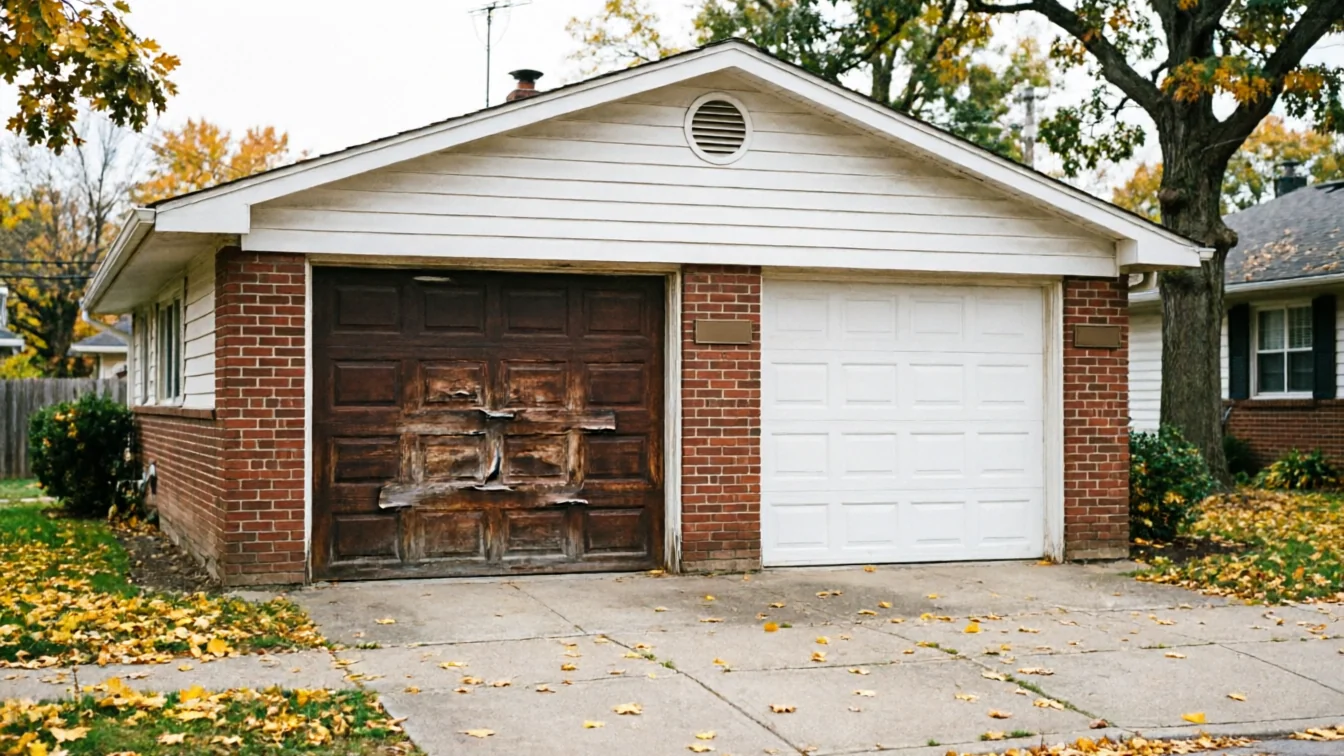
What Weather Seals and Draughts Mean for a Minnetonka Garage Door
Minnetonka homes built mostly in the 1960s-70s show weather seals and draughts at the garage door bottom and sides.
Read guide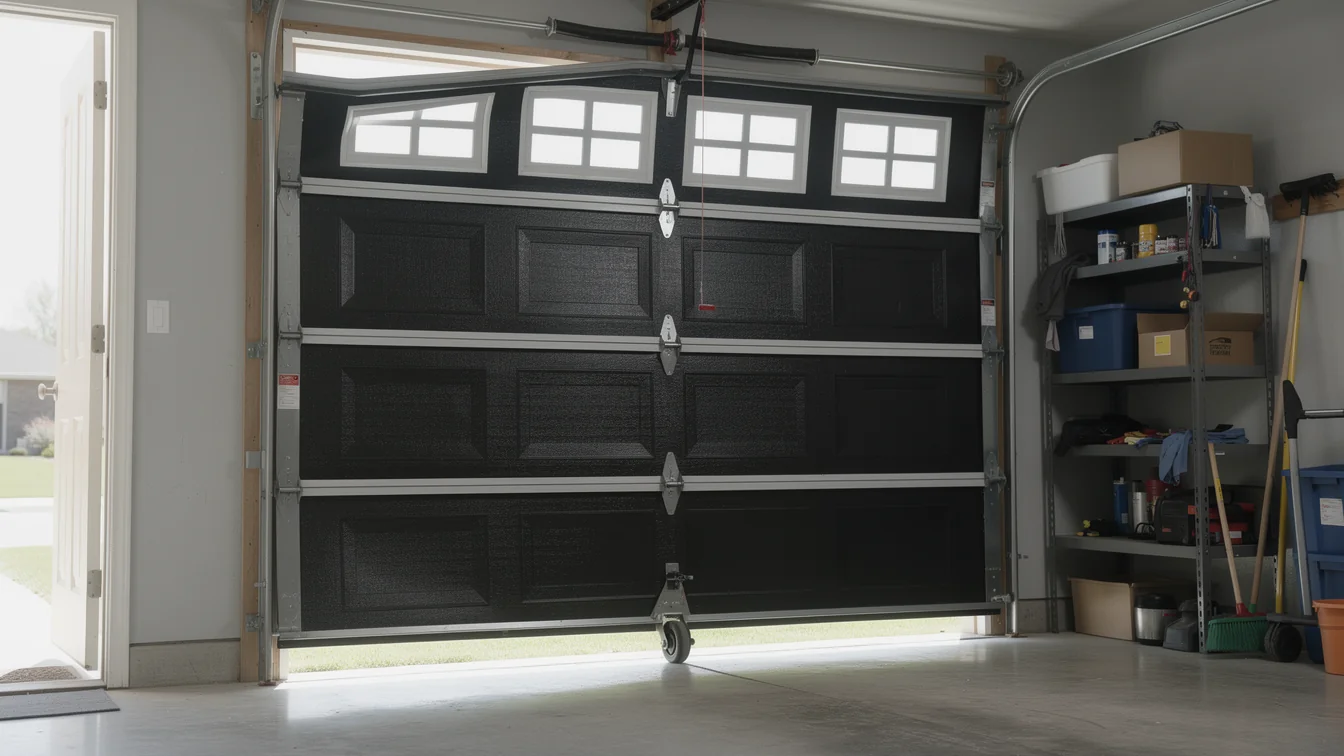
What to Know Before You Replace a Garage Door in Minnetonka
Minnetonka homes mostly date from 1957 to 2005, in a cold winter climate that stresses old doors.
Read guide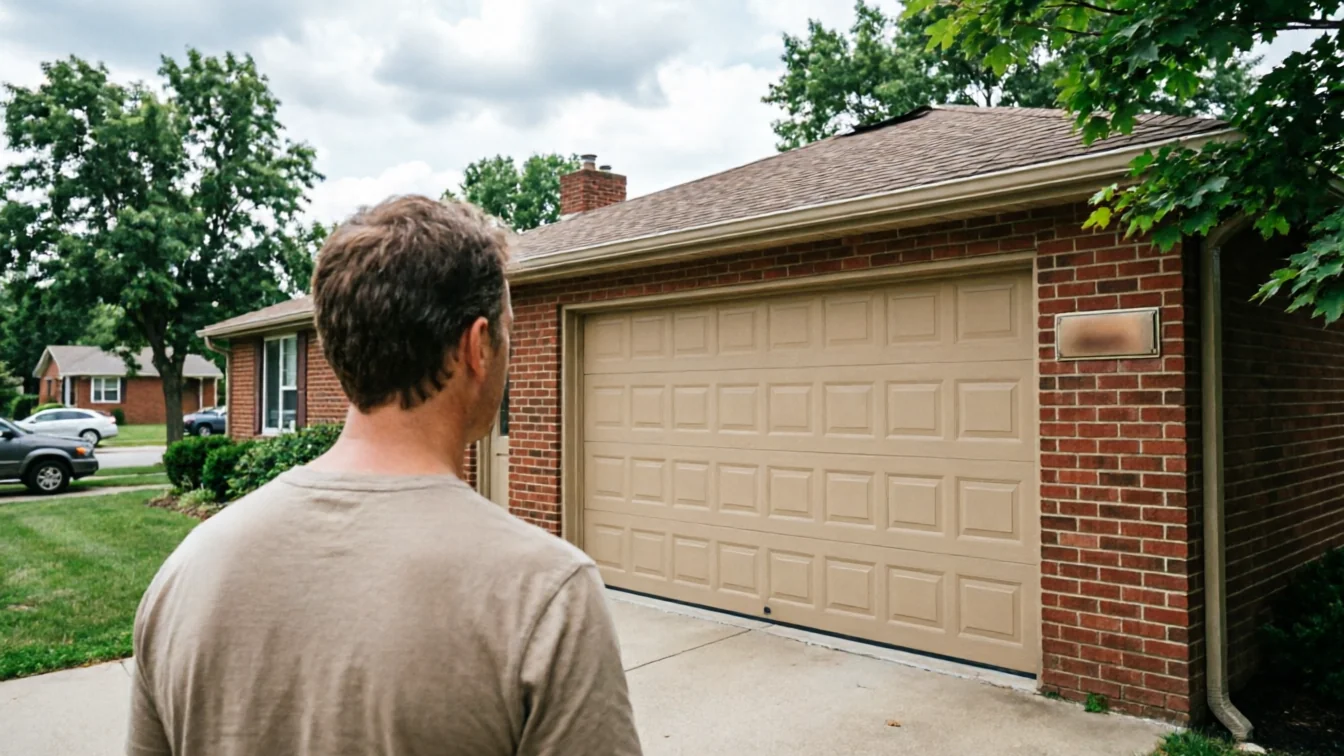
Why Older Minnetonka Garages Fight the Cold
Minnetonka's housing stock dates mostly to 1957-2005, before today's insulation codes, leaving many garage doors uninsulated against severe cold winters here.
Read guideReady when you are
Need a garage door sorted in Minnetonka?
Minnetonka Garage Door Pros repairs and installs garage doors, springs and openers in Minnetonka, MN and the surrounding area.