
Blog
Safety Sensors and Why They Drift in Minnetonka Homes
Why garage door safety sensors in Minnetonka homes drift out of alignment, tied to this area's 1957-2005 housing stock and severe cold climate band.
What Is Going On
Most of the garages we get called to in Minnetonka sit in houses built somewhere between 1957 and 2005, with the median landing around 1977. That spread matters because a sensor bracket mounted to a slab or a wood jamb forty-some years ago has had decades to move with the building around it. The sensors themselves are simple: two eyes, one sending an infrared beam and one receiving it, mounted a few inches off the slab on either side of the track. When they're aligned, the door closes. When one drifts even a little, the opener reads it as a beam break and the door refuses to shut, or it shuts and reverses halfway down.
Across the 52 named areas that make up this city, the dominant stock is still 1960s and 70s construction, and that generation of garage didn't always get sensors installed with the original opener. A lot of them were added later, bolted onto whatever bracket was handy at the time. Add decades of door slams, lawn equipment bumping the track, and a slab that's never been perfectly flat, and you get a sensor pair that's slowly walked out of true without anyone touching it on purpose.
What to Check
Start at the brackets, not the eyes. On a house from the 1960s or 70s stock that's common here, the bracket is often just sheet metal screwed into a track leg, and track legs flex. Push gently on each sensor housing. If it wiggles more than a hair, that's your drift source, not the sensor itself.
Next, look at the LED on each eye. Steady on both sides means aligned. A flickering or dim light on one side usually means it's close but not dead-on, which is exactly the kind of near-miss alignment that fails on a cold morning when the metal has contracted slightly overnight.
Check for anything blocking the beam path at knee height - a recycling bin, a bike, a coil of hose left against the track. This sounds obvious, but in older garages where the opener predates the sensors, owners sometimes mount storage right where the beam runs because nothing was there when the garage was built.
Finally, wipe both lenses. Road salt film and dust settle on these eyes all winter and can weaken a beam enough that a near-alignment issue becomes a full failure. This is a five-minute check, not a service call, and it's worth doing before you assume the sensor itself is bad.
How Local Conditions Play In
Minnetonka sits in a cold-climate band severe enough that frost heave and winter slab movement are a normal part of the year here, not a rare event. An opener bracket that's dead level in July can be a quarter-inch off by February once the slab under the track has heaved and settled through a freeze-thaw cycle. That's a bigger swing than it sounds - sensor eyes only need to be off by a small margin before the beam clears the receiver entirely or catches it at too sharp an angle to register.
This isn't unique to one block. Towns within a few miles of here - Woodland, Deephaven, Wayzata - sit on the same soil and the same freeze-thaw pattern, so a sensor that drifts in one driveway tends to drift in the next one over, usually around the same time of year. If you notice your door acting up every winter and fine every summer, that's the seasonal pattern talking, not a coincidence.
On a 1977-vintage garage, the slab has had close to fifty winters to move incrementally. Small movement compounds. A bracket that's been nudged an eighth of an inch a year for two decades is a different repair than a bracket that moved once.
What You Pay
We don't have a flat number to quote you here without seeing the bracket and the opener model, so we won't make one up. What we can tell you honestly: realigning a sensor pair is usually the cheapest call on the truck, and if a tech tells you otherwise without explaining why, ask what else they found. The limitation worth knowing up front is that if the bracket itself is bent or the track leg has pulled away from the framing, realignment alone won't hold - the fix is replacing the bracket, not just aiming the eye, and that's a different job. We'd rather tell you that before the call than have you pay twice.
Questions
Common questions
Why does my garage door only act up in the winter?
In this climate band, the slab under your track moves slightly through the freeze-thaw cycle each winter. That shifts the sensor brackets just enough to throw off alignment, even though nothing visibly changed. It usually corrects, or seems to, once the ground settles back down in warmer months - until next winter.
My door closes but then reverses halfway. Is that the sensors?
Most likely, yes. A door that starts to close and then reverses is almost always reading a broken beam, which means a sensor is misaligned, blocked, or dirty rather than the opener motor failing. Check both lenses and the bracket mounts before assuming you need a new opener.
Can I fix sensor alignment myself?
Often yes. Loosen the bracket screw, gently adjust the eye until the LED goes solid on both sides, then retighten. The harder cases are bent brackets or a track leg pulled from the framing, which needs a repair beyond aiming the eye.
How old does a house have to be before sensor brackets are a real issue?
Houses from the 1960s and 70s stock common across this area are the ones we see most often, since brackets added decades after the original build tend to be mounted less securely. Newer installs drift less, but slab movement affects any age of garage over time.
Recommendation
You Might Also Like
More garage door guides for Minnetonka homeowners.
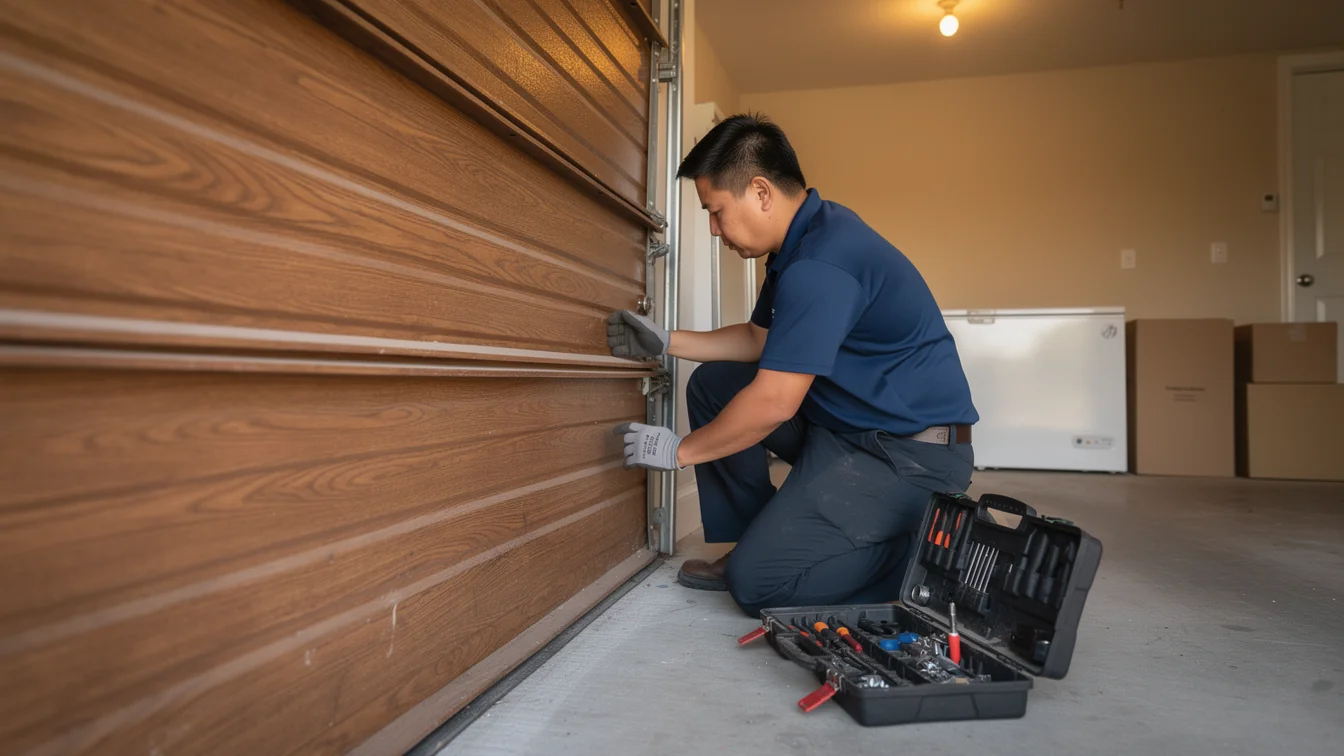
What a Garage Door Service Call Covers Here in Minnetonka
A breakdown of what a Minnetonka garage door service call actually includes, tied to this area's 1960s-70s housing stock and cold climate.
Read guide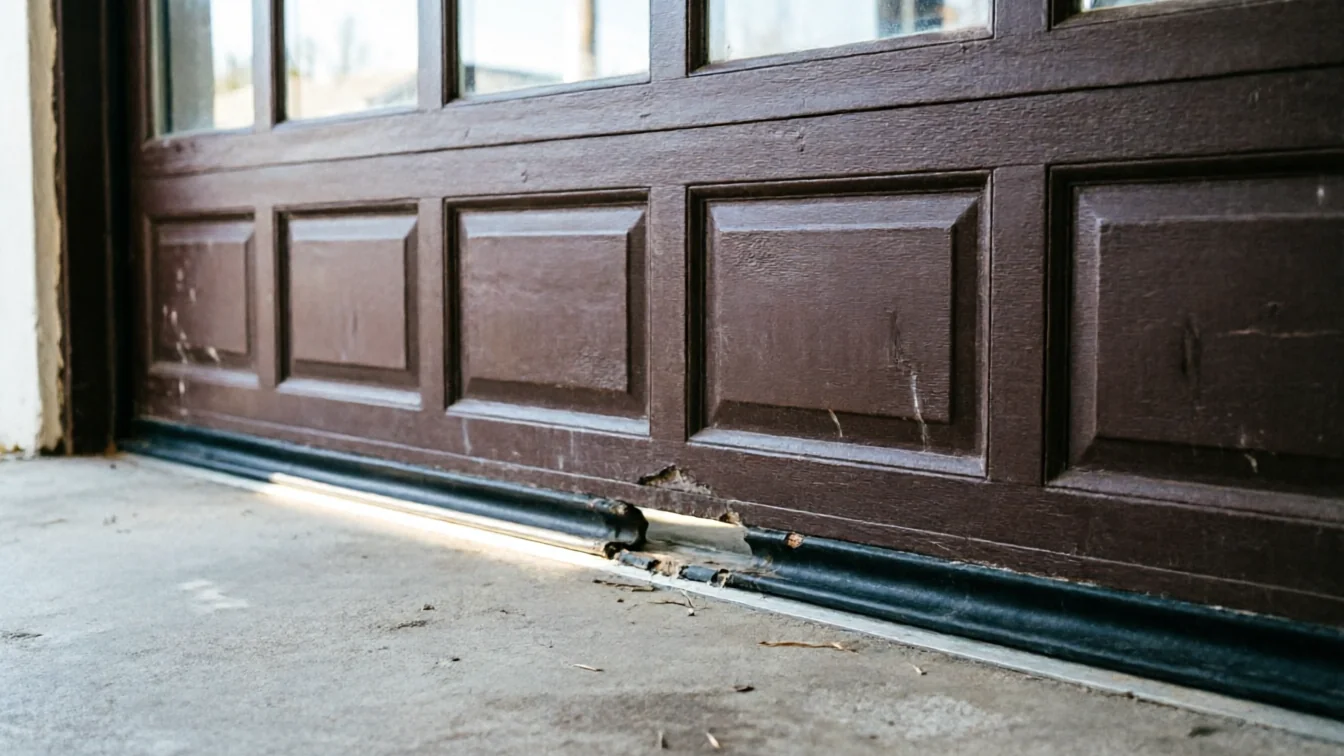
What We Look At Before We Touch Your Door
Minnetonka's housing runs 1957-2005 with heavy 1960s-70s stock and a severe cold climate band.
Read guide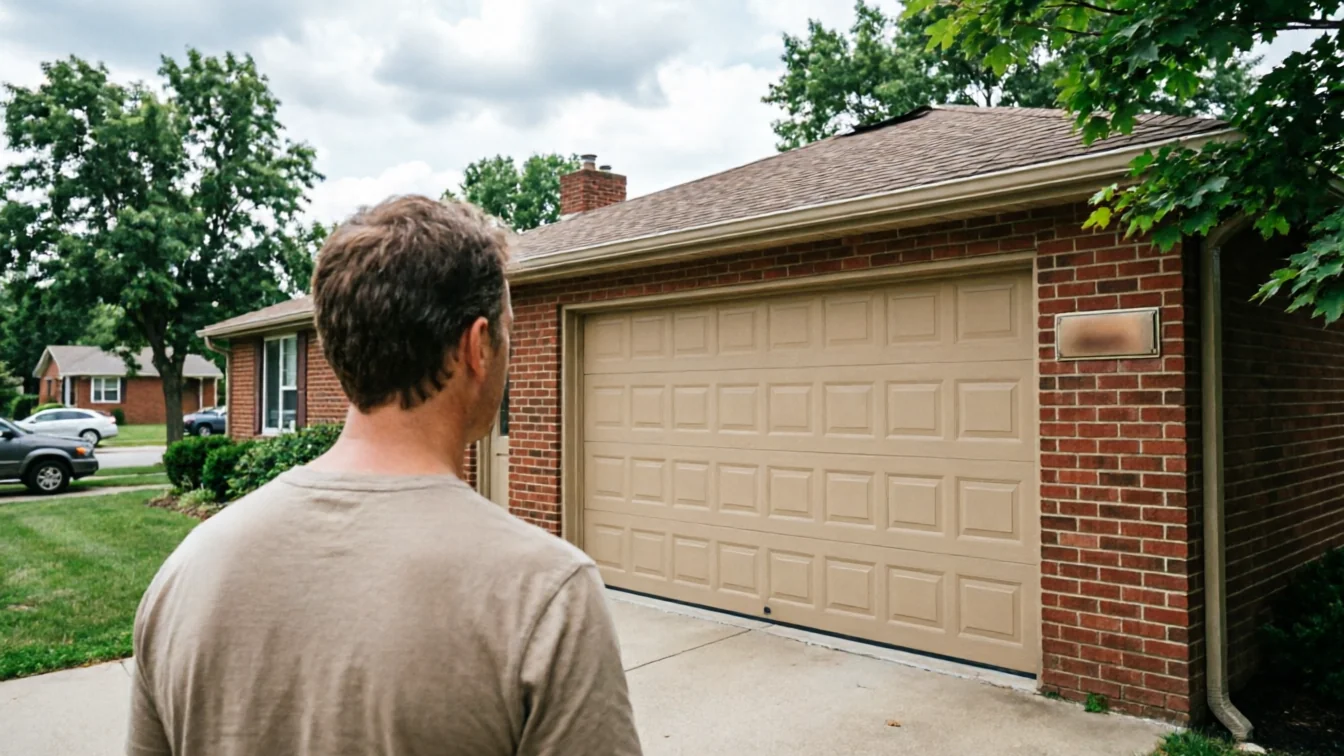
Why Older Minnetonka Garages Fight the Cold
Minnetonka's housing stock dates mostly to 1957-2005, before today's insulation codes, leaving many garage doors uninsulated against severe cold winters here.
Read guideReady when you are
Need a garage door sorted in Minnetonka?
Minnetonka Garage Door Pros repairs and installs garage doors, springs and openers in Minnetonka, MN and the surrounding area.