
Blog
Why Garage Doors Go Off Track Around Minnetonka
Minnetonka's 1960s-70s housing stock and severe cold winters push garage doors off track. Here's what's actually happening and what to check first.
What Is Going On
A door off its track almost never happens on its own. Something pushed it there - a bent roller, a track bracket that's pulled loose from the framing, or a cable that's jumped its drum. In Minnetonka, the age of the housing stock matters more than people think. Homes here were built mostly between 1957 and 2005, with the median landing around 1977, which means a big share of garages still carry original or close-to-original track hardware. Steel track doesn't fail gracefully. It bends a little at a time, usually at a bracket, until one day the rollers ride up out of the channel instead of through it.
Across the 52 named areas that make up Minnetonka's housing - most of it 1960s and 70s construction - that original hardware was sized to doors and openers that have since been replaced at least once in a lot of these houses. A heavier insulated door on an old track, or a newer opener yanking against a track bracket that was never rated for that pull, is a common setup for a derail. It's not dramatic. It's just metal fatigue, decades deep, finally giving out.
What to Check
Before you call anyone, look at three things. First, the track brackets where they bolt to the framing - give them a shake. If they move independently of the wall, that's your problem, not the door itself. Second, look at the rollers themselves where they sit in the track. A roller that's worn to an oval shape instead of round will walk itself out of the channel under load, especially on a door that's opened and closed a few thousand times a year for forty-plus years, which fits a lot of the 1960s and 70s stock around here. Third, check for a visible kink or flat spot in the track run, usually at the curve where vertical track bends into horizontal.
What you can't check safely: anything involving the torsion spring or the cables under tension. If the door is off track because a cable snapped, that spring is still loaded and it can take a finger or worse. That's the one limitation worth saying plainly - a visual check of brackets and rollers is fine to do yourself, but once cables or springs are involved, that's a call-a-pro job, not a weekend one.
How Local Conditions Play In
Minnetonka sits in a cold-severe climate band, and that matters more to a garage door than most homeowners assume. Frost heave moves foundations and slabs by fractions of an inch over a winter, and a garage floor or apron that shifts even slightly changes the geometry the track brackets were installed to. A bracket that was plumb in 1977 isn't necessarily plumb now. That slow seasonal movement is a big part of why track problems cluster in late winter and early spring here - the metal didn't change, the ground under it did.
This isn't a one-neighborhood issue. A house three miles out toward Woodland sits in the same freeze-thaw cycle as one four miles toward Deephaven or Wayzata, or six miles out near Excelsior and Golden Valley. The whole service area gets the same winters, so a track that's been nudged out of alignment by frost is common across all of it, not a quirk of any one street or subdivision.
What You Pay
A fix for a derailed door runs a wide range depending on what actually failed - a bent roller swap is a small job, a cracked or torn track section is bigger, and anything that involves re-hanging the door on new track takes longer and costs more than either. We don't have a flat number that covers all of that, and anyone who quotes one over the phone without seeing the door is guessing.
What we can say: across the roughly 112,905 owner-occupied houses in this service area, most off-track calls trace back to the same two causes - age of the original hardware and the seasonal ground movement that comes with a cold-severe climate. Knowing which one you're dealing with before a tech shows up (loose bracket versus worn roller versus kinked track) helps keep the visit to one trip instead of two.
Questions
Common questions
Can I push a door back onto its track myself?
Not safely if the spring or cables are involved, and you usually can't tell from looking. If the door moved off track on its own rather than being bumped by a car, assume the spring or a cable is part of why, and don't put hands near it under tension.
Why does this seem to happen more in late winter?
Minnetonka's cold-severe climate band means real frost heave through the winter. As the ground under the garage slab settles back in spring, track brackets that were plumb can shift just enough to let rollers walk out of the channel.
Is this an age-of-house problem?
Often, yes. A lot of Minnetonka garages date to the 1960s and 70s, median build year around 1977, so the track hardware in a good share of houses is original or close to it - and steel track doesn't age quietly.
Recommendation
You Might Also Like
More garage door guides for Minnetonka homeowners.
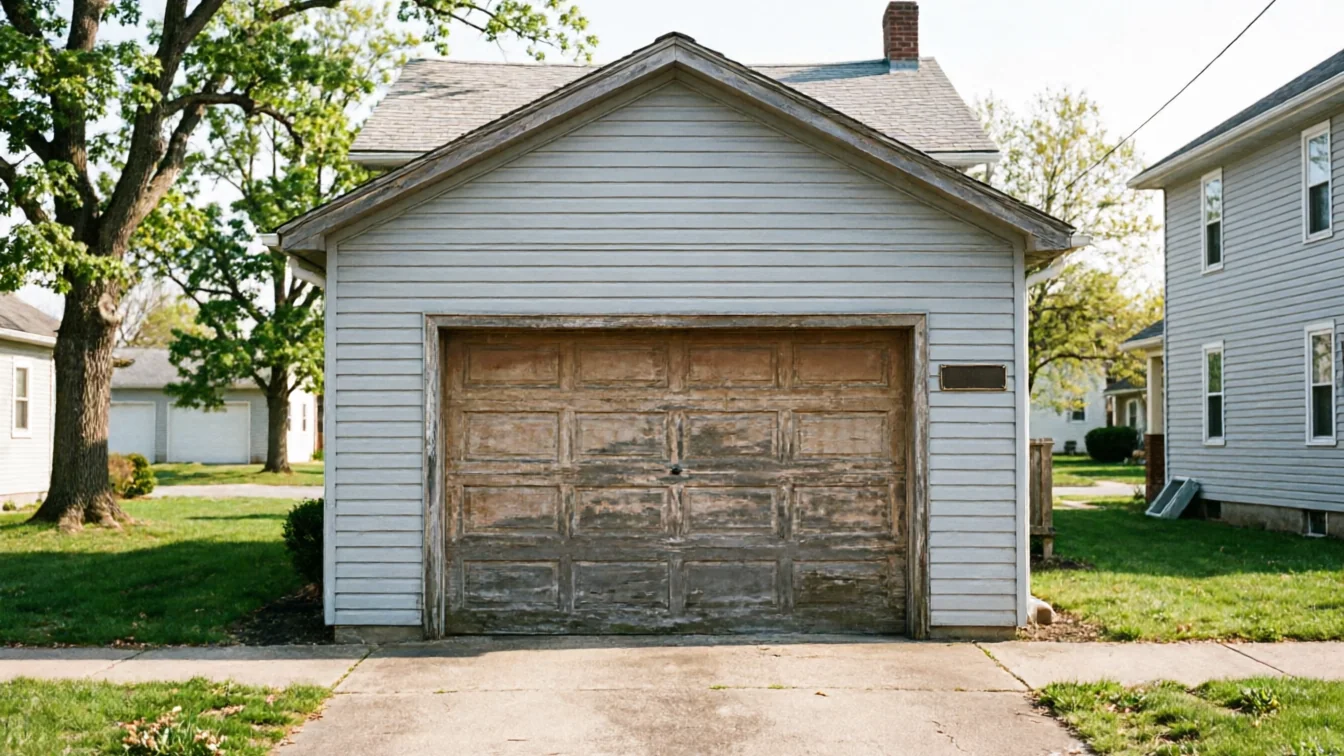
Why Minnetonka Garage Doors Act Up When It Gets Cold
A look at why Minnetonka's older housing stock and cold winters push garage door springs to fail, what to check first, and what actually drives repair cost here.
Read guide
Why Older Minnetonka Garages Fight the Cold
Minnetonka's housing stock dates mostly to 1957-2005, before today's insulation codes, leaving many garage doors uninsulated against severe cold winters here.
Read guide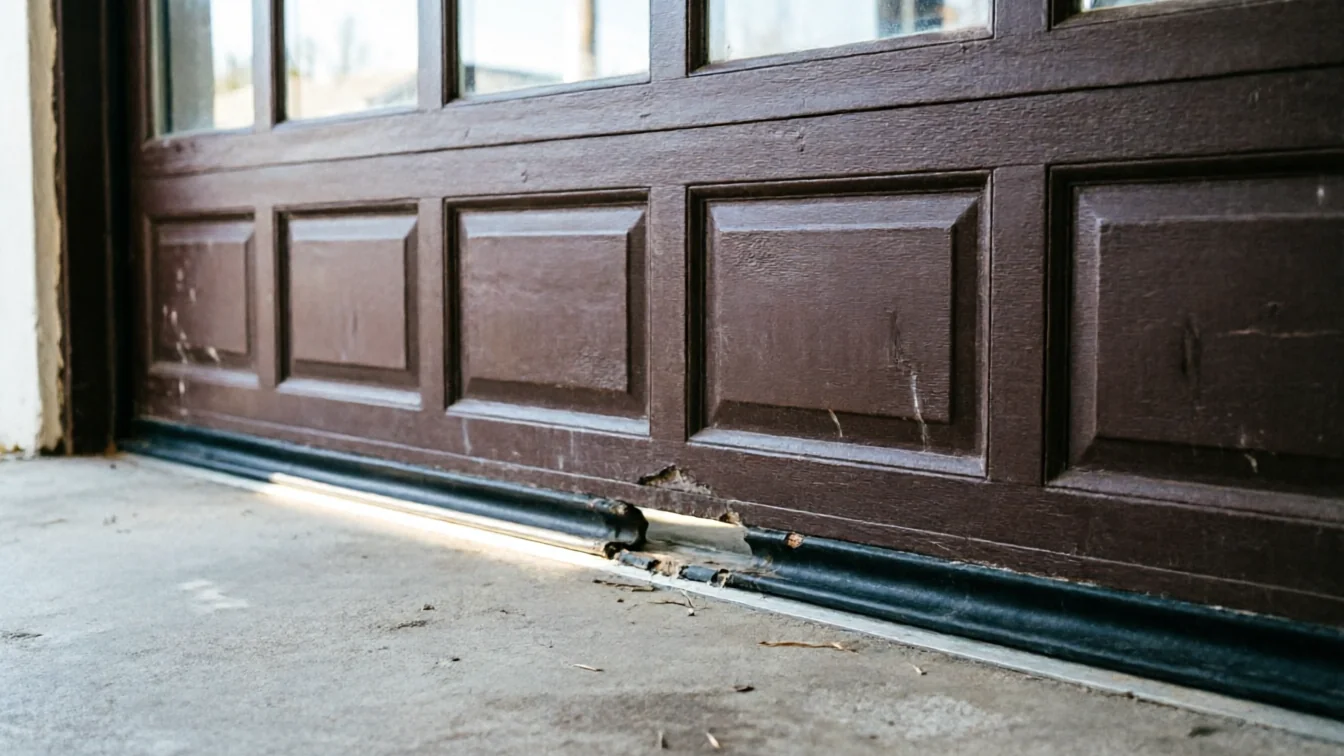
What We Look At Before We Touch Your Door
Minnetonka's housing runs 1957-2005 with heavy 1960s-70s stock and a severe cold climate band.
Read guideReady when you are
Need a garage door sorted in Minnetonka?
Minnetonka Garage Door Pros repairs and installs garage doors, springs and openers in Minnetonka, MN and the surrounding area.