
Blog
What a Garage Door Service Call Covers Here in Minnetonka
A breakdown of what a Minnetonka garage door service call actually includes, tied to this area's 1960s-70s housing stock and cold climate.
What Is Going On
Most calls we get fall into a short list: a spring that's let go, an opener that hums but doesn't lift, a door that's gone off its track, or a panel that's taken a hit. In Minnetonka, the age of the door matters more than people expect. Housing in this area was built mostly between 1957 and 2005, with the median landing around 1977, and the bulk of it clusters in that 1960s-70s band across the 52 named neighborhoods that make up this part of the Twin Cities west metro. A door installed when a house was built in 1968 is a different animal than one put in during a 2003 remodel - different spring sizing, different track gauge, sometimes a different opener mounting entirely. When we show up, the first ten minutes are spent figuring out which era of door we're actually looking at, because that changes what parts fit and what the fix costs. We don't guess from the driveway. We open the panel, check the spring wind, and look at the track alignment before we say what's wrong.
What to Check
Before you call, there are a few things worth a look. Stand the door up and check if both springs look the same length and tension - a mismatched pair on an older torsion setup is a common find in houses from the 1970s stock that's common through this area. Check the bottom panel for rust or warping near the weather seal; on a door built closer to 1977, the steel gauge is thinner than what's sold now, and it shows up first at the bottom corners. Listen to the opener. A grinding sound usually means a stripped gear, not a dead motor, and that's a part swap, not a full replacement. Pull the manual release and try lifting the door by hand - if it's heavy or uneven, that's spring tension, not opener trouble, and running the opener harder on it will burn out the unit faster. None of this tells you exactly what's broken, but it tells us where to start when we get there, and it can save a trip if the fix turns out to be something you can do yourself, like re-seating a roller.
How Local Conditions Play In
This area sits in a cold climate band with severe winter conditions, and that changes what fails and when. Steel contracts in cold, which means a track that was a sixteenth of an inch out of alignment in July can bind hard by January. Nylon rollers crack in sustained cold the way rubber weatherstripping does - we see both on doors that are otherwise sound. Lubricant matters too: summer grease gums up and slows the door in deep cold, so what we put on the track in October is not what gets used in June. Garages built in the 1960s and 70s rarely have insulated doors as original equipment, and an uninsulated steel door in a severe winter climate flexes more with temperature swings, which loosens hardware over seasons. None of this is dramatic - it's slow wear that shows up as a louder door, a slower door, or a door that sticks at the same spot every cold morning. That pattern is almost always track or roller, not spring, and worth mentioning when you call.
What You Pay
We don't post a flat number here because the spread between a roller swap and a full spring and cable job is wide, and the honest answer depends on what's actually broken and what parts your door takes - especially on older doors from the 1960s-70s stock where original hardware sizing isn't always what's on the shelf today. What we can tell you is what drives the number: whether it's a single repair or multiple worn parts failing at once, whether the opener needs a part or a full swap, and whether your door is a size or spring configuration that's still common or one we need to source. One honest limitation: if your door is original to a house built in the 1960s and the track or panel is bent beyond adjustment, patching it is sometimes a short-term fix that costs you twice - we'll tell you when replacement is the better call rather than stack repairs on a door that's done.
Questions
Common questions
Why do garage door springs fail more in winter here?
Cold contracts steel and stiffens lubricant, so a spring already near the end of its cycle count often breaks when the door working against cold-stiffened tracks and rollers puts extra load on it. Minnetonka's severe winter climate band means that stress shows up hard in January and February rather than spreading evenly across the year.
My house was built in the 1970s. Will parts for my door still be available?
Usually, yes. A lot of the housing in this area dates to the 1960s and 70s, so we see that era of door and track regularly and keep common replacement parts on hand. The exceptions are older custom sizes or discontinued opener models, which can take longer to source.
Is it worth fixing an old door or should I replace it?
Depends on the damage. A bent track or worn rollers on an otherwise sound door from the 1960s-70s stock is usually worth repairing. A rusted-through panel or a door that's been patched more than once is often cheaper to replace than to keep fixing - we'll tell you straight which category yours is in.
Recommendation
You Might Also Like
More garage door guides for Minnetonka homeowners.
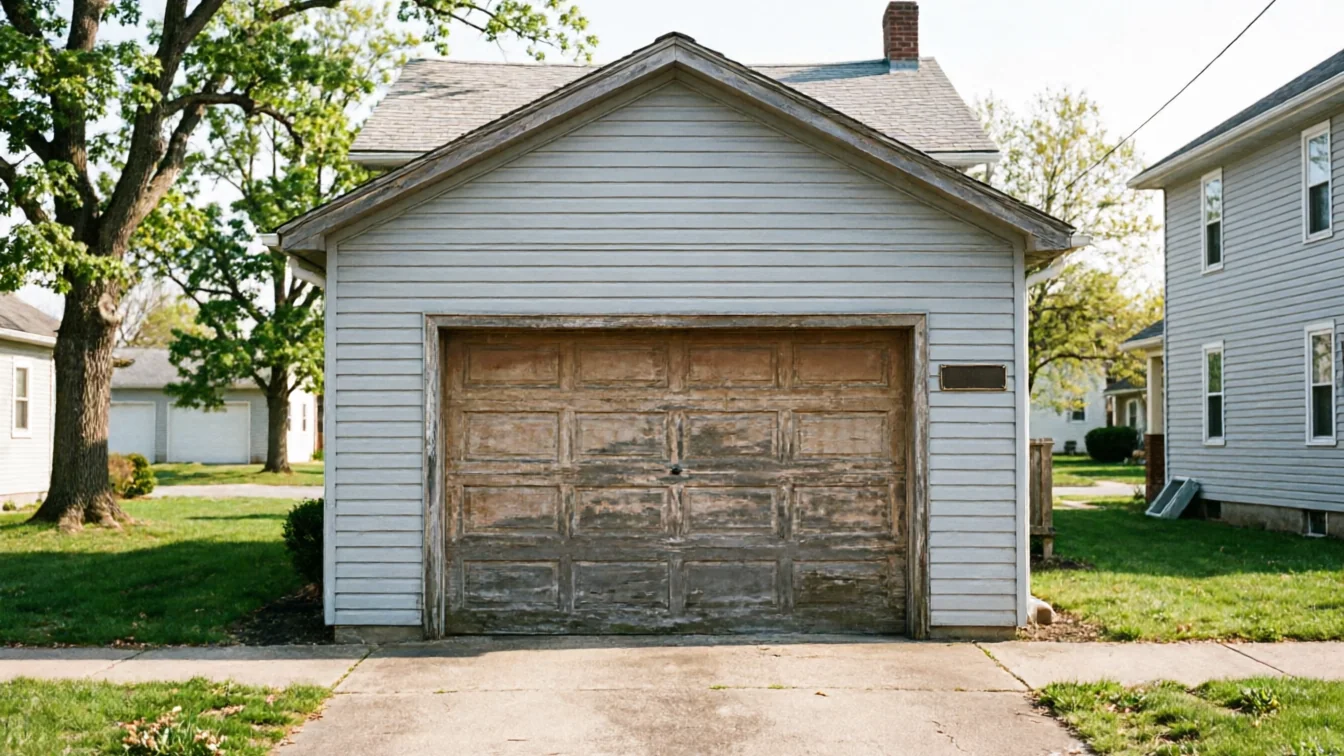
Safety Sensors and Why They Drift in Minnetonka Homes
Why garage door safety sensors in Minnetonka homes drift out of alignment, tied to this area's 1957-2005 housing stock and severe cold climate band.
Read guide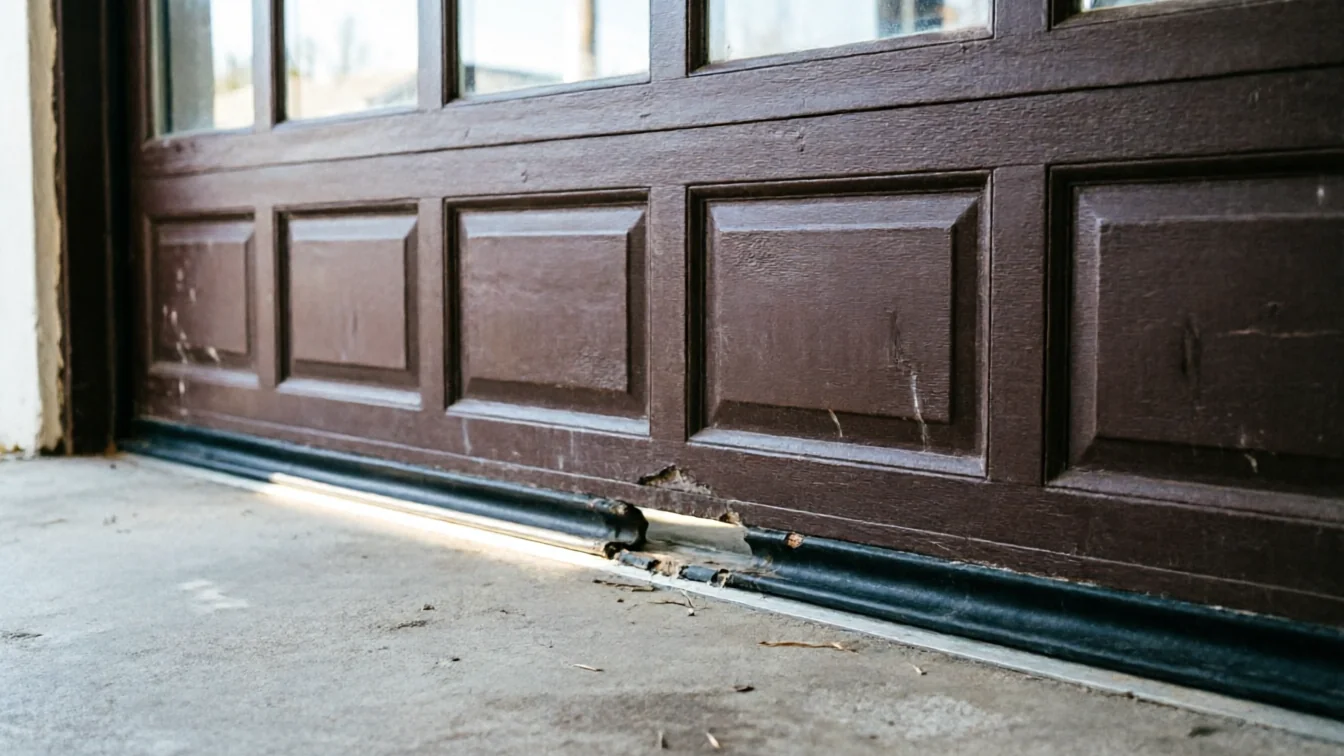
What We Look At Before We Touch Your Door
Minnetonka's housing runs 1957-2005 with heavy 1960s-70s stock and a severe cold climate band.
Read guide
Why Minnetonka Garage Doors Act Up When It Gets Cold
A look at why Minnetonka's older housing stock and cold winters push garage door springs to fail, what to check first, and what actually drives repair cost here.
Read guideReady when you are
Need a garage door sorted in Minnetonka?
Minnetonka Garage Door Pros repairs and installs garage doors, springs and openers in Minnetonka, MN and the surrounding area.