Blog
When the Opener Dies and the Power Goes With It
Minnetonka homes built 1957-2005 face cold-climate opener strain and power cuts. Here's what to check and what a local repair runs before you call.
What Is Going On
Minnetonka's housing stock runs 1957 to 2005, with a median build year around 1977, and most of the 52 named areas in and around town are still carrying 1960s and '70s-era garages. That matters for openers because a lot of these bays were wired decades before today's load patterns existed. One outlet, sometimes shared with a freezer or a sump pump, feeding an opener that's been swapped once or twice since the house was built. When the power cuts - a storm, a breaker trip, a utility fault - the opener doesn't just stop. On older houses it can lose its memory of the door's travel limits, and you come back to a door that reverses early, slams the floor, or won't respond to the remote at all. This isn't a defect in any one brand. It's what happens when a 45-year-old circuit meets a modern DC opener that expects clean, constant power. The fix usually isn't the opener itself - it's figuring out whether the outage scrambled the logic board or whether the outage just exposed wiring that was already marginal.
What to Check
Before you assume the opener is dead, pull the manual release and see if the door moves freely by hand. If it's heavy or binds partway, that's a spring or track problem the power cut just happened to reveal - not cause. If the door moves fine by hand, check the wall button first; it's wired straight to the unit and tells you if the board itself is getting power. Look at the outlet the opener plugs into - in houses from the 1960s and '70s this is often the original run, and a tripped GFCI or a loose neutral can mimic a dead opener. Last, check whether the wall console shows any light or display. No light with a confirmed live outlet usually means the logic board didn't survive the power event, which is common after a hard cut rather than a gradual brownout.
How Local Conditions Play In
Minnetonka sits in a cold-severe climate band, and that changes how an opener fails after a power cut. Cold makes grease stiffen and belts shrink slightly, so an opener that's already working harder in winter has less margin when it also has to recover from a reset. A power cut in July just means reprogramming the remote. The same cut in January, on a door with a chain drive that hasn't been lubricated for the cold, can leave the opener straining against a track that's tighter than it was in summer - and a straining opener after a fresh power event is exactly the combination that burns out a capacitor or a gear. If your garage is unheated, which is typical across the older stock here, that risk is higher every winter, not just after storms.
What You Pay
We don't have a flat number to quote here - what a power-cut opener problem costs depends on whether it's a reset, a board replacement, or wiring that needs an electrician before we touch the opener at all. What we can tell you: if the opener is original to a 1960s or '70s build, parts for it are often gone, and a reset or patch job is a short-term answer at best. Across the households we see in this area - a mix of long-held older homes and newer builds mixed into the same neighborhoods - replacement is usually the better call once an opener's logic board is the second thing to fail. We won't push a repair on a unit that's going to need another visit in a year.
Questions
Common questions
Why did my opener stop responding to the remote after a power cut?
On older Minnetonka homes, a hard power cut can wipe the opener's travel-limit memory, not just its clock. The remote may still send a signal, but the board no longer knows where the door's top and bottom limits are, so it ignores the command or reverses early. Reprogramming the limits usually fixes it; a dead board does not.
Is it the opener or the wiring?
Check the wall button first - if it's dead too, the circuit is the suspect, not the opener. In homes built in the 1960s and '70s, garage outlets are often original and share a circuit with other appliances. A tripped breaker or failed GFCI after an outage can look exactly like a failed opener.
Does cold weather make power-cut failures worse?
Yes. Minnetonka's winters are cold enough that grease and belts stiffen, so an opener already working harder in the cold has less reserve when it also has to recover from a reset. That combination is more likely to finish off an aging gear or capacitor than a summer power cut would.
Should I just replace an old opener instead of fixing it after a cut?
If the opener is original to a house from the 1960s-70s building wave common across this area, parts are often unavailable, and a repair after a power event is frequently short-lived. We'll tell you honestly when a reset is enough and when it isn't worth doing again next winter.
Recommendation
You Might Also Like
More garage door guides for Minnetonka homeowners.
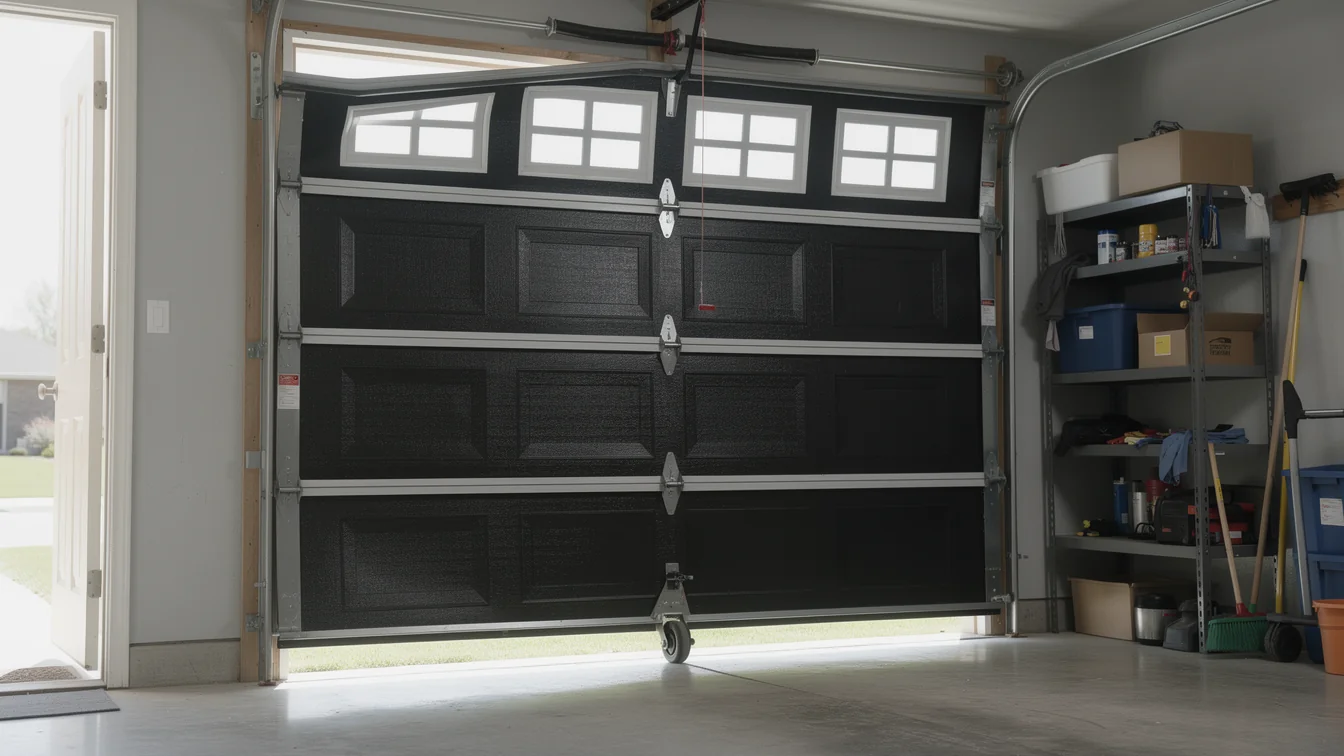
What to Know Before You Replace a Garage Door in Minnetonka
Minnetonka homes mostly date from 1957 to 2005, in a cold winter climate that stresses old doors.
Read guide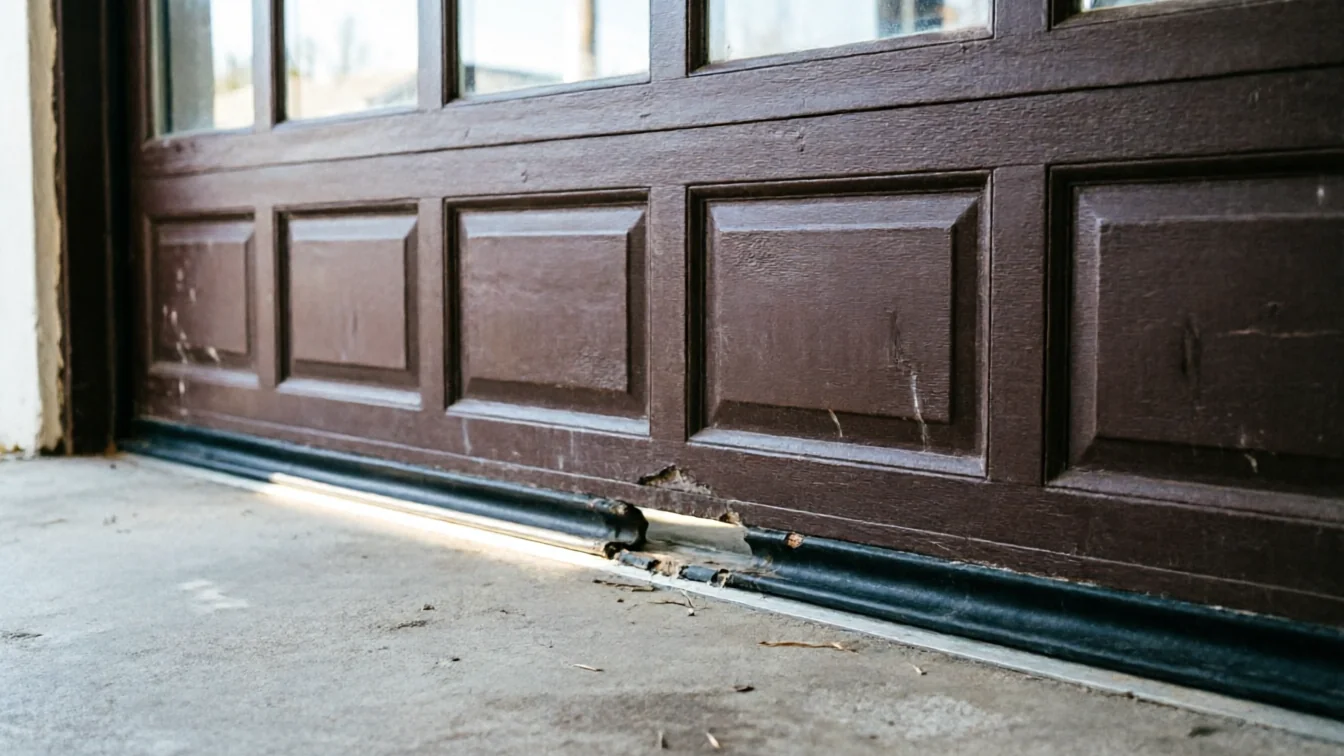
What We Look At Before We Touch Your Door
Minnetonka's housing runs 1957-2005 with heavy 1960s-70s stock and a severe cold climate band.
Read guide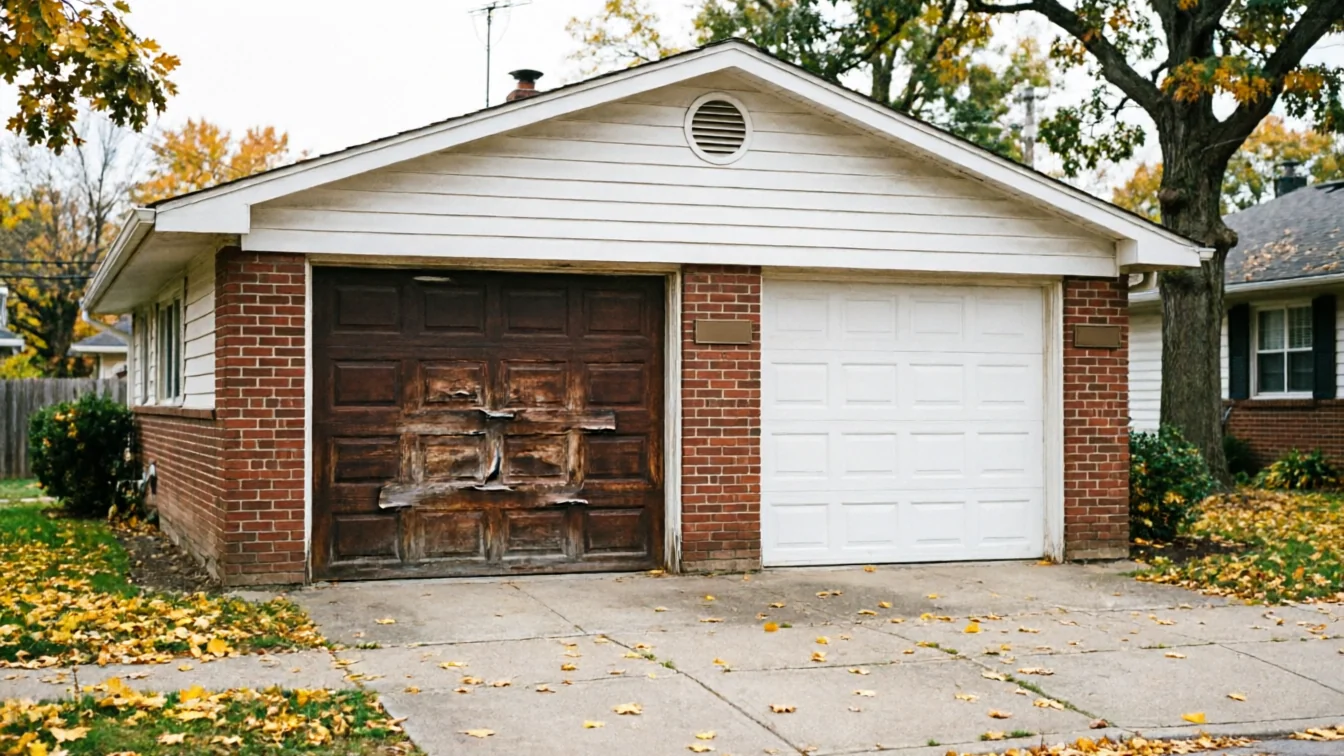
What Weather Seals and Draughts Mean for a Minnetonka Garage Door
Minnetonka homes built mostly in the 1960s-70s show weather seals and draughts at the garage door bottom and sides.
Read guideReady when you are
Need a garage door sorted in Minnetonka?
Minnetonka Garage Door Pros repairs and installs garage doors, springs and openers in Minnetonka, MN and the surrounding area.