Carried parts on truck
We diagnose on site, and if the part is one we carry on the truck, the door is running again before we leave. Where it stretches out is parts availability on older units.
Minnetonka, MN
Opener repair for Minnetonka homes built 1957-2005, where cold winters and aging drive gears are the two things that actually break openers here.
Local causes
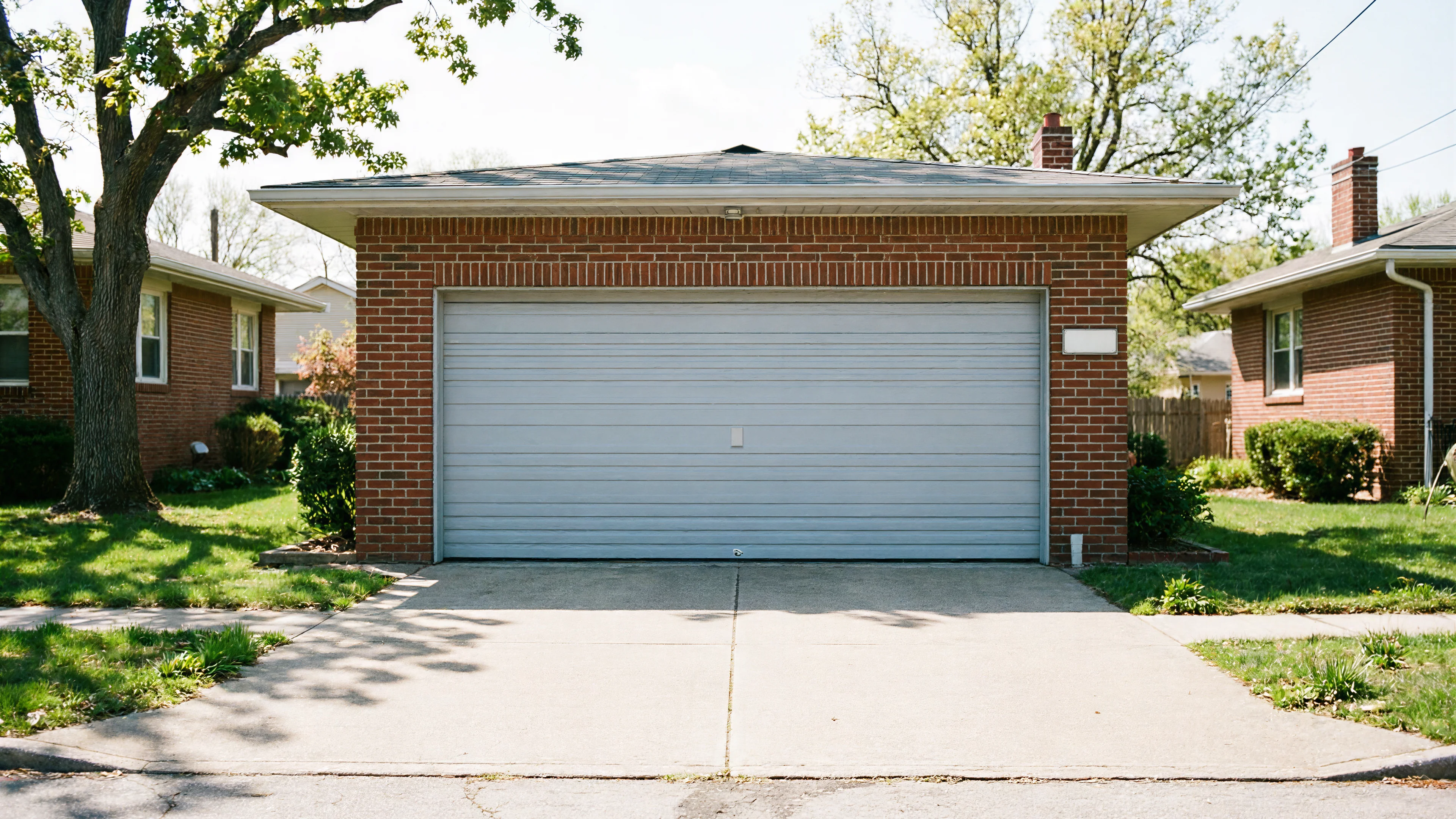
Most of the houses we get called to in Minnetonka went up somewhere between 1957 and 2005, with a lot of that stock clustered in the 1960s and 70s across the 52 named areas that make up this market. That matters for openers more than people think. A chain-drive or screw-drive unit installed when a split-level went up in 1968 is well past any reasonable service life, and the gear kits, logic boards, and travel modules that matched it are getting harder to source new.
The other driver is the cold. This is a severe cold climate band, not a mild one, and that changes how an opener fails. Grease inside the drive gear and the motor housing stiffens hard below freezing, which loads up the gear teeth every time the door cycles on a sub-zero morning. That's the single biggest reason we see stripped plastic gears and tired capacitors here compared to warmer markets. Steel springs also change tension with temperature swings, so an opener that was already working at its limit in October can start grinding, reversing, or refusing to close by January.
We see both failure types across this whole service area - the worn-out 1970s chain drive and the newer belt or screw unit whose circuit board can't handle the cold cycling. The fix and the timeline differ depending on which one you've got.
Timing
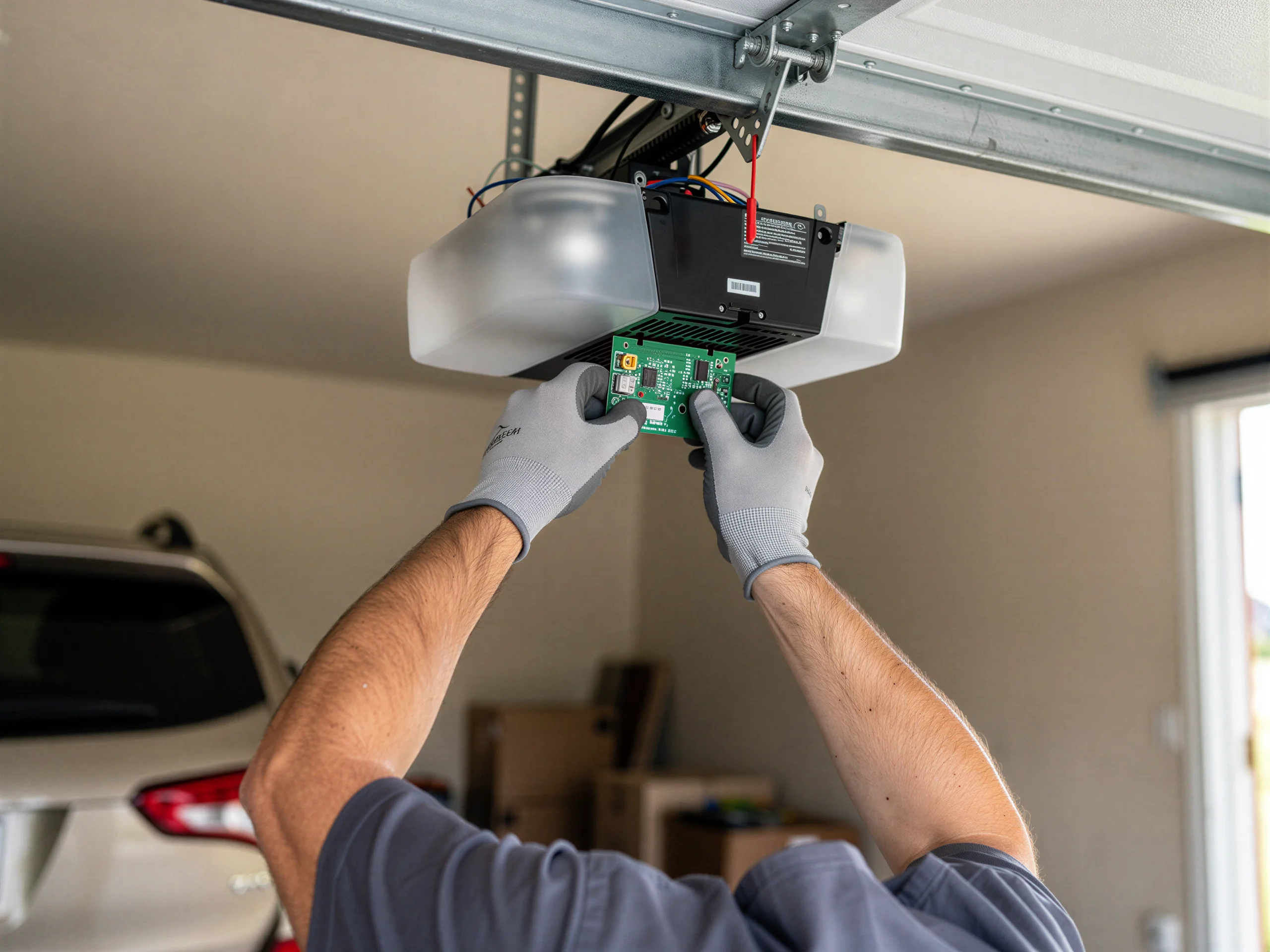
A straight opener repair - bad capacitor, worn drive gear, dead logic board, or a sensor knocked out of alignment - is usually a single visit.
We diagnose on site, and if the part is one we carry on the truck, the door is running again before we leave. Where it stretches out is parts availability on older units.
If your opener matches the vintage of a house built in the 1960s or 70s, the exact gear kit or circuit board for that model may not be a same-day item, and we may need to order it. We'll tell you straight when that's the case rather than guess at a timeline we can't back up.
Cold weather calls, especially in the depth of winter, also tend to take a little longer on site simply because a garage that's been sitting at or below freezing needs the tech to work through more of the mechanism by hand before the diagnosis is solid - belt tension, gear wear, and sensor alignment all read differently cold than they do at 70 degrees.
Pricing
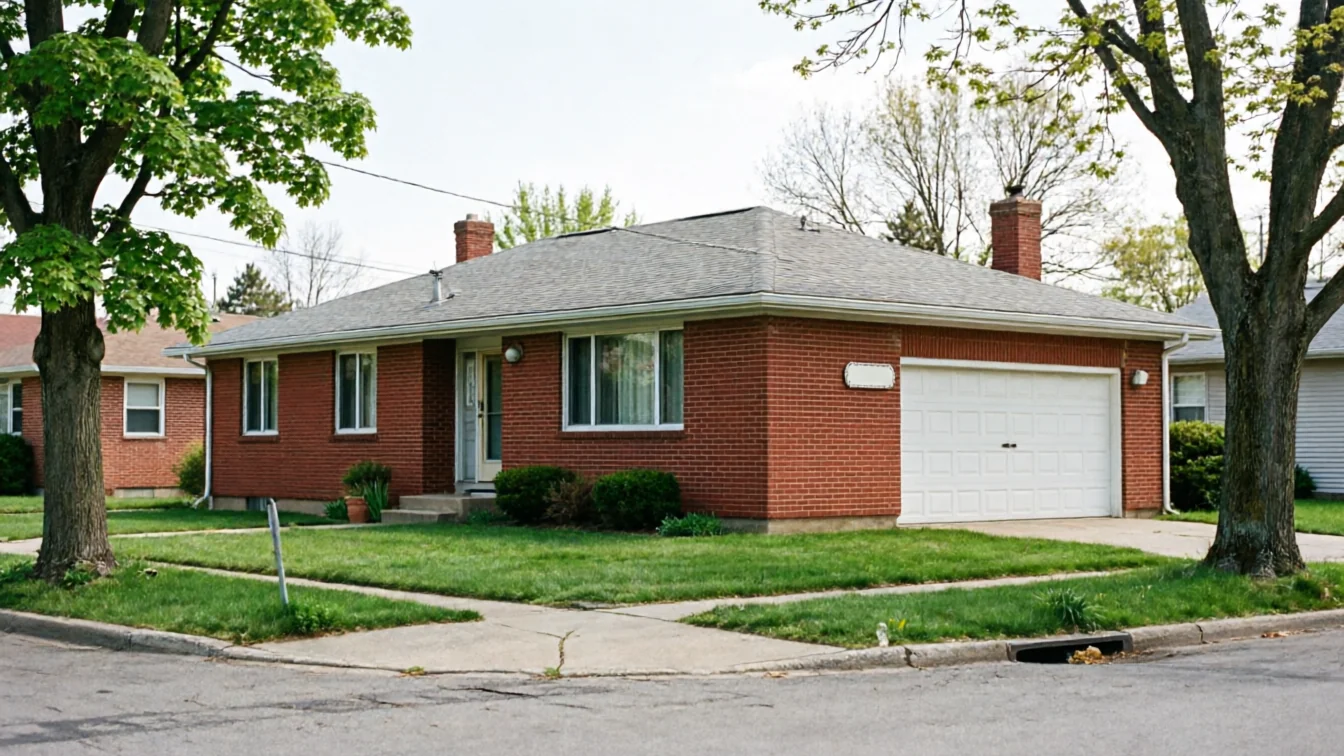
We don't publish a flat number for opener repair because the two most common jobs here - a worn gear kit on an older chain drive and a board failure on a newer unit - land in different price ranges, and quoting one number for both would be misleading. What we can tell you is that a repair on an opener that's otherwise sound almost always costs less than replacing the full unit, and for a lot of the older openers still running in Minnetonka's 1960s and 70s housing stock, repair is the right call rather than a swap.
The honest limitation here: if your opener is old enough that parts are discontinued, we'll say so on site and give you the replacement option instead of chasing a part that doesn't exist anymore. We'd rather tell you that up front than have you wait on an order that's never coming.
Symptoms
The call we get most across this service area starts the same way: the door reverses before it closes, or it closes partway and stops, or the opener runs but the door doesn't move at all.
On older chain-drive units tied to houses from the 1960s and 70s, that's usually a worn drive gear or a chain that's jumped its track. On newer belt or screw-drive openers, it's more often a sensor knocked out of alignment, a logic board that can't handle repeated cold-weather cycling, or a capacitor that's given out.
A second common pattern, tied directly to the cold climate here, is an opener that works fine in the afternoon and fails first thing in the morning after a hard freeze.
That's stiff grease and tightened steel load working against a motor and gear set that are already near the end of their life. If that's what you're seeing, don't keep forcing the remote - every cycle on a stressed gear makes the eventual repair bigger.
Questions
Cold stiffens the grease in the drive gear and motor housing, and steel door springs tighten up with temperature drops. That combination loads the opener hardest on a cold start. If it runs fine once the garage warms up, the gear or motor is already stressed - worth having checked before it fails outright.
Often yes, if the motor itself is sound and the failure is a gear, capacitor, or sensor issue - those parts can usually be sourced or kitted. If the opener is old enough that the logic board or motor itself is discontinued, we'll tell you on site and lay out replacement instead.
Yes, this is a service we run across the whole area, not just one neighborhood. The exact failure mode - gear wear on older chain drives versus board failure on newer units - depends more on the age of your specific opener than on which part of town you're in.
Explore more
Ready when you are
Minnetonka Garage Door Pros repairs and installs garage doors, springs and openers in Minnetonka, MN and the surrounding area.