
Blog
What Those Garage Door Sounds Actually Mean
In Minnetonka, homes built mostly between the 1960s and 70s carry original garage hardware that makes specific, telling noises as it wears down over decades.
What Is Going On
Most houses in Minnetonka went up between 1957 and 2005, with the typical build year landing around 1977. That matters because a door is a mechanical system, and a system installed in the Carter or Reagan years is not making the same sounds a five-year-old door makes. Across the roughly 229,000 households in this service area, the bulk of the stock dates to the 1960s and 70s, which means a lot of original torsion springs, steel rollers, and first-generation chain-drive openers are still hanging on the wall, decades past what anyone would call new.
A noise is rarely random. A spring that's fatiguing announces itself before it snaps. A roller that's worn flat on one side thumps in a rhythm you can set a clock to. An opener gear that's stripping sounds different from a motor that's just tired. The sound is the door telling you what part is failing and roughly how close it is to failing all the way. The trick is matching the sound to the part instead of assuming every noise means the same fifteen-minute fix, because on a door this age, it usually doesn't.
What to Check
Start with where the noise happens in the cycle. A loud bang right at the top of travel points to the door hitting its limit hard, which on older torsion setups often traces back to a spring that's lost tension and is letting the door drop the last few inches before the opener catches it. A steady grinding the whole way up or down is almost always a roller problem, and on a house built before the 1980s, those are frequently the original steel rollers nobody's swapped for nylon.
A sharp metallic pop, singular and sudden, deserves the most attention of any sound on this list. That's often a cable strand giving way or a spring showing the early signs of a full break. Don't keep running the door through cycles once you hear that one.
A rattle in the track usually means a bracket has worked loose, which is common once hardware passes the thirty- and forty-year marks. A hum from the opener head with no door movement points to the motor or a stripped gear, not the door itself. We don't diagnose this kind of thing reliably over the phone - a noise can sound identical for two different failures, and guessing wrong means paying for a part that wasn't the problem.
How Local Conditions Play In
Minnetonka sits in a cold-climate band that the federal data classifies as severe, and that changes which noises show up and when. Grease that's fine in July stiffens hard in January, so a door that ran quiet all fall suddenly groans on the first fifteen-degree morning. That's not the hardware failing overnight - it's lubricant that's gone thick enough to make a marginal roller or hinge announce itself.
Steel contracts in cold, too. A track that was shimmed level in warm weather can tighten up just enough in deep cold to bind a roller slightly on every pass, which reads as an intermittent squeak that only shows up on the coldest days and vanishes by April. On the housing stock common here - mostly 1960s and 70s construction - that seasonal tightening lands on hardware that's already decades into its service life, so the margin for error is thinner than it would be on something newer.
Condensation is the other piece. An unheated garage that swings from warm days to cold nights builds moisture on metal parts, and surface rust on a spring coil or roller shaft isn't cosmetic - it's friction, and friction is noise. If your door gets noisier specifically in the cold months, that's worth mentioning when you call, because it narrows down what we're looking for before a truck even shows up.
What You Pay
We're not going to put a number here that we can't back up with a diagnosis, because what a noise costs to fix depends entirely on which part is making it - a bracket tightening is a different job from a spring replacement, and quoting one price for both would be dishonest.
What we can say is how the decision tends to go in this area. With a median household income of $109,722 across Minnetonka, replacement parts and full spring or opener swaps get chosen over patched repairs more often than they would in a market where every repair has to be stretched to its limit. That's not a judgment, just a pattern - when a repair and a replacement are close in cost, more homeowners here take the longer-term fix.
Across the roughly 112,905 owner-occupied houses in this service area, built over nearly fifty years, the spread of spring sizes, drum styles, and opener generations we run into is wide. That's the honest limitation: we can tell you what a sound usually means, but we can't tell you what your specific repair costs until someone's looked at the actual spring wind, drum size, and opener model in your garage. Those numbers vary door to door even on the same block.
Questions
Common questions
My garage door bangs loudly right before it closes all the way. Is that the spring?
It often is. On older torsion setups common in homes from the 1960s-70s era, a spring losing tension lets the door drop the last few inches instead of being carried down evenly, and it hits the floor or the limit hard. It can also be a limit switch out of adjustment, which is a smaller fix. Worth having both checked before assuming the worse one.
Why does my door only squeak in the winter?
Cold hardens grease and tightens steel tracks slightly, both of which show up as noise that appears in freezing weather and disappears once it warms up. It's common on older rollers and hinges that have some wear already - the cold just exposes the margin that was already thin. It usually isn't a sign of sudden new damage.
Can I just lubricate everything and see if the noise goes away?
Sometimes that's genuinely enough, especially for a dry hinge or roller. But lubricant won't fix a fatigued spring, a cracked roller, or a stripped opener gear - it just masks those sounds for a while. If the noise comes back within a few weeks, the lube wasn't the fix, and it's worth having the part looked at directly.
How old does a garage door opener have to be before noise means it's failing?
Age alone doesn't tell you much - a well-maintained opener from the 1980s can outlast a neglected one from last year. But on hardware from this area's typical build era, forty-plus years of use on original parts means the odds of a failing gear or worn bearing go up, so a new hum or grind is worth taking seriously rather than waiting out.
Recommendation
You Might Also Like
More garage door guides for Minnetonka homeowners.
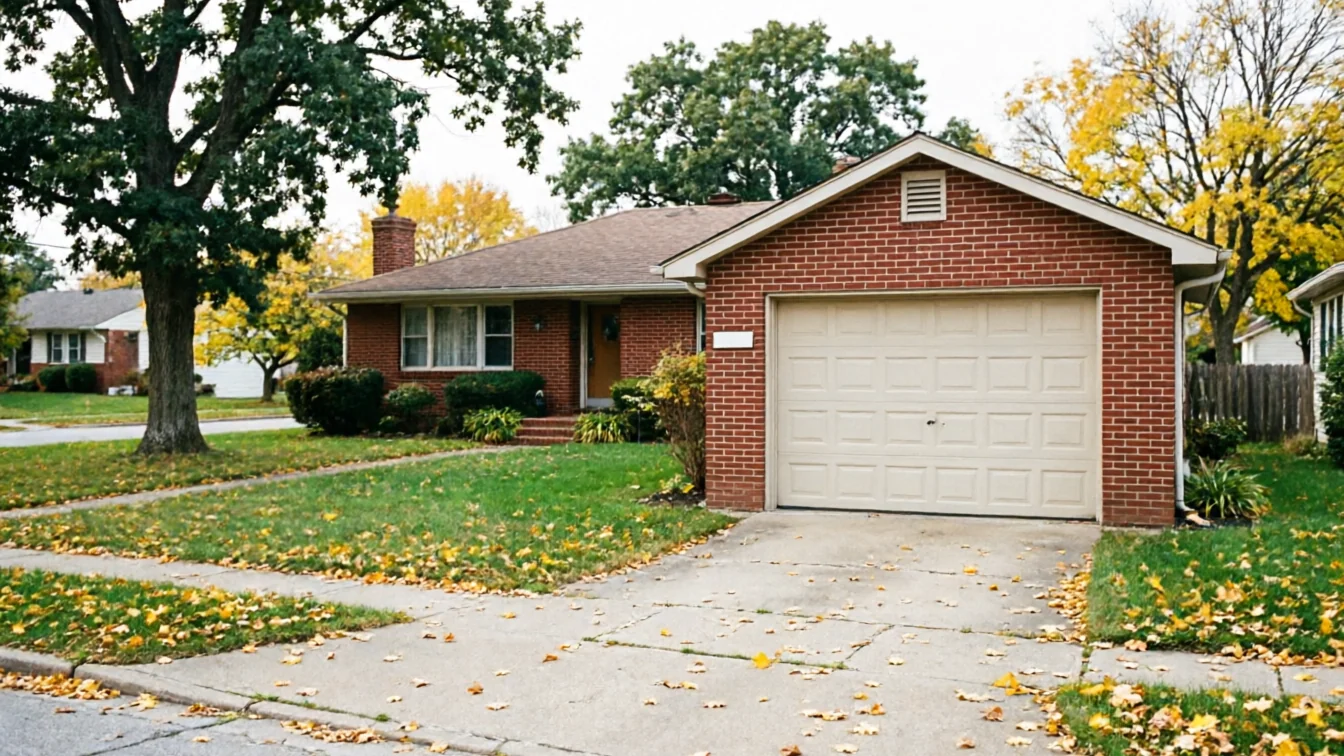
Detached vs Attached Garages: What Minnetonka Homeowners Deal With
Minnetonka homes built mostly between 1957 and 2005 split between detached and attached garages.
Read guide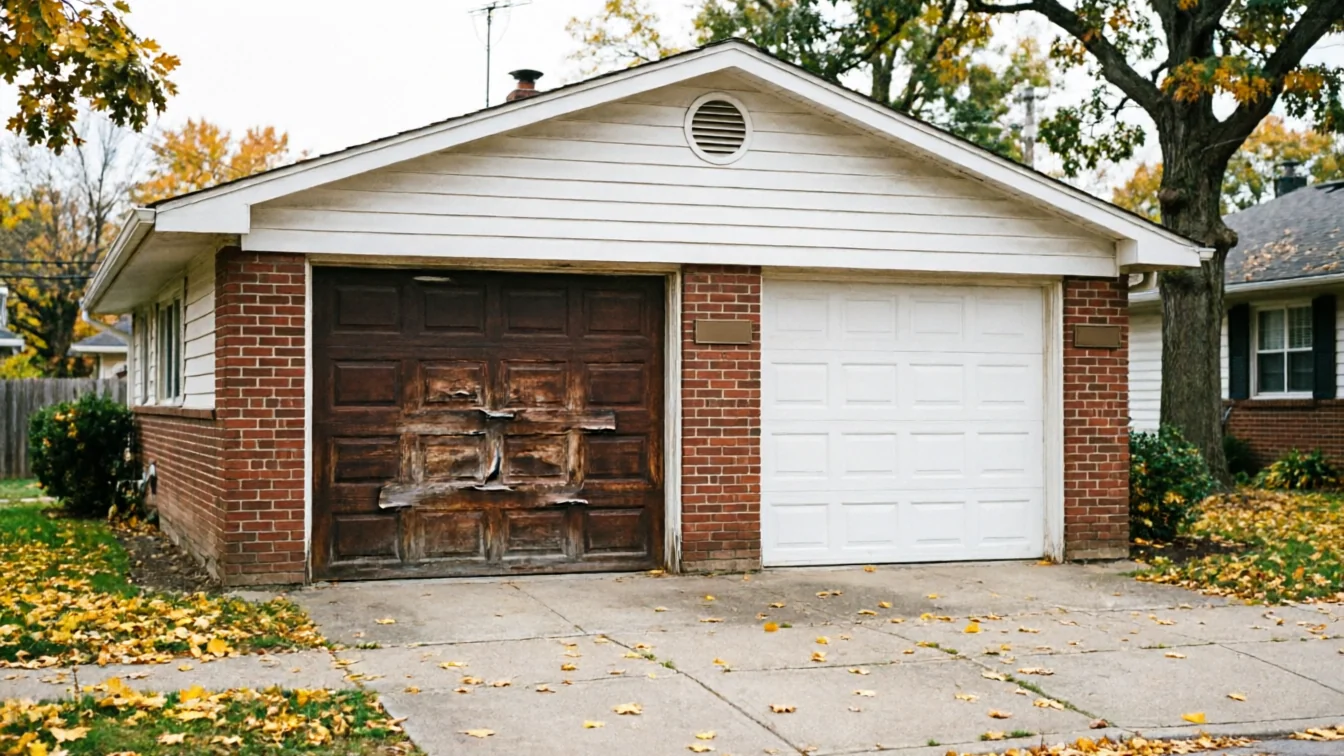
What Weather Seals and Draughts Mean for a Minnetonka Garage Door
Minnetonka homes built mostly in the 1960s-70s show weather seals and draughts at the garage door bottom and sides.
Read guide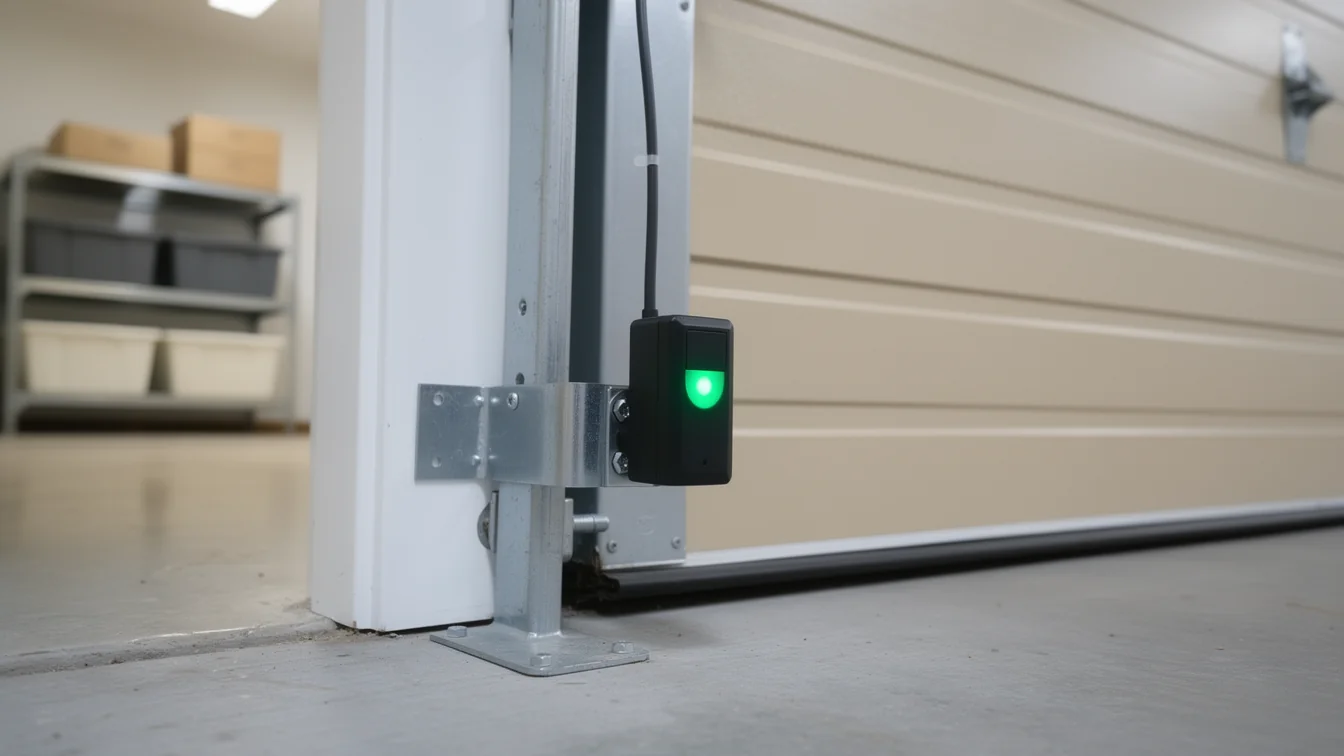
When an Old Garage Door in Minnetonka Still Makes Sense to Fix
Minnetonka homes mostly date from the 1960s and 70s, and the original doors on them are nearing the end of their service life.
Read guideReady when you are
Need a garage door sorted in Minnetonka?
Minnetonka Garage Door Pros repairs and installs garage doors, springs and openers in Minnetonka, MN and the surrounding area.