
Blog
Why Minnetonka Garage Doors Act Up When It Gets Cold
A look at why Minnetonka's older housing stock and cold winters push garage door springs to fail, what to check first, and what actually drives repair cost here.
What Is Going On
Most of the houses in Minnetonka's older neighborhoods went up between 1957 and 2005, with the typical build year landing around 1977. That matters because a torsion spring has a rated cycle count, and a spring installed when a house was built in the late 70s has been opening and closing that door for close to fifty years. It doesn't fail because it's old in some vague sense - it fails because it's run out its cycles, and cold steel is less forgiving on the last few hundred of them than warm steel is.
Across the 52 named areas that make up this service area, the bulk of the housing stock dates to the 1960s and 70s, which means this isn't a problem unique to one street - it's a pattern tied to when this whole part of the metro got built out. A spring that's original to a 1968 build is doing the same job, with the same wear, whether the house is three miles from here or ten.
What usually tips a tired spring over the edge is a cold snap. The spring doesn't know the calendar, but steel contracts when it's cold, and a spring that's already thinned from decades of cycling has less margin left when it contracts. That's when it lets go - often on the coldest morning of the stretch, not the warmest.
What to Check
Before you call anyone, look at three things. First, the spring itself - if you have a torsion spring above the door (the horizontal bar with coils), look for a visible gap in one coil. That's a broken spring, full stop, and the door should not be forced open with the opener after that.
Second, check the cables on either side of the door for fraying, especially near the bottom bracket. Cable wear accelerates on older hardware because the drums and pulleys it runs over have also had decades of use.
Third, check the bottom brackets and roller stems for rust or a loose fit. On houses from the 1960s-70s building wave, you'll often find the original rollers and brackets still in place, since garage doors get replaced less often than people think. A bracket that's been flexing for fifty years can crack quietly before it fails loudly.
One honest limitation: a visual check from the inside of the garage tells you a lot, but it won't tell you the internal wind tension on an intact spring, or whether a cable is about to go versus merely worn. If the door is still moving and nothing's obviously broken, that's a case for someone to look at it in person rather than guess from a list.
How Local Conditions Play In
Minnetonka sits in a cold-climate band with severe winter swings, and that's the biggest single reason spring failures cluster in winter rather than spreading evenly through the year. Steel loses some flexibility as it gets cold, and a spring near the end of its cycle life has less give left to absorb that stiffness. The spring that would have made it another summer sometimes doesn't make it through a cold stretch.
This isn't unique to one block. If you're out toward Wayzata or Deephaven, four miles from here, or further out around Excelsior or Golden Valley, you're in the same cold band and largely the same 1960s-70s housing wave, so the same math applies: older spring, colder mornings, higher odds of a snap.
The practical upshot is that a spring inspection makes more sense in the fall than in January. Once a spring is already stressed by a cold snap, you're dealing with a failure, not a maintenance item. Catching it before the cold sets in - especially on a door whose spring is original to the house - is the cheaper version of this problem to have.
What You Pay
I'm not going to put a number here that I can't back up - spring and opener pricing depends on the size of the door, the spring type, and what else has worn out alongside it, and none of that is a fact I have in front of me for this page. What I can tell you is what moves the price up or down in a house like the ones common here.
A single spring job on a door with everything else in decent shape costs less than a job where the cables, rollers, and bottom brackets also need replacing - and on a door original to a 1960s or 70s build, it's common to find more than one of those worn at once, since they've all been cycling together for the same number of years. Matching springs on a double door, rather than replacing just the broken one, also changes the job, since a mismatched pair wears unevenly and tends to fail again sooner.
If you want an actual number, that has to come from someone looking at the door - the make, the spring wind, and what shape the rest of the hardware is in all factor in, and guessing a price without seeing it would be a disservice to you.
Questions
Common questions
Why did my spring break in the middle of winter and not before?
Cold steel has less flex left than warm steel, and a spring that's already near the end of its rated cycles - common on houses built in the 1960s-70s wave around here - has less margin to absorb that stiffness. The cold doesn't cause the wear, it just tends to be when a worn spring finally lets go.
My house was built in the late 70s and still has the original door. Is that a problem?
Not automatically, but it's worth a look. A spring and hardware set from a 1977-era build has had close to fifty years of cycles. Some last that long with no trouble; others are closer to the end than they look from outside the garage.
Can I just replace the one broken spring on a double door?
You can, but a mismatched pair - one new, one decades old - tends to wear unevenly and often fails again within a year or two. Matching them costs more up front but usually costs less over time.
Is a fall inspection actually worth it?
Given how many springs here are original to 1960s-70s construction and how often failures cluster with cold snaps, catching a worn spring before winter is generally cheaper than replacing a broken one in January, when it's also stopped your door from opening at all.
Recommendation
You Might Also Like
More garage door guides for Minnetonka homeowners.
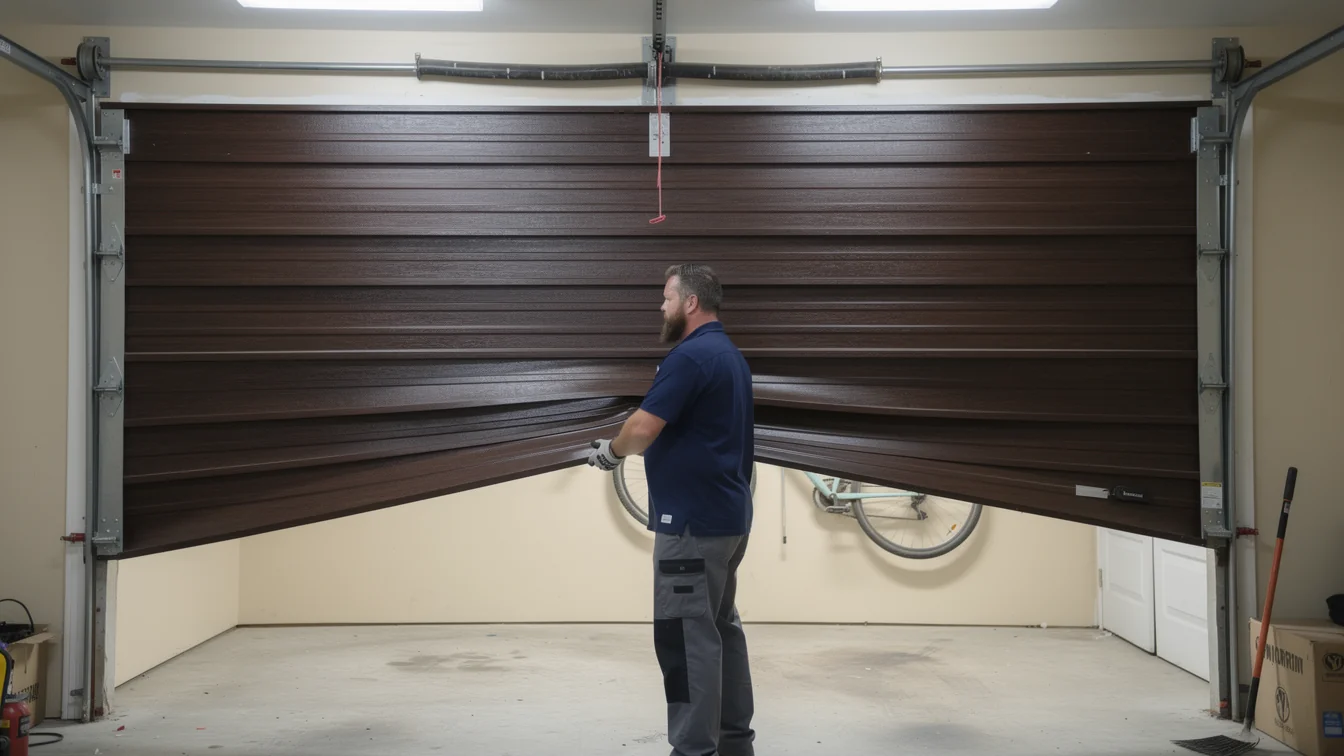
Why Garage Doors Go Off Track Around Minnetonka
Minnetonka's 1960s-70s housing stock and severe cold winters push garage doors off track.
Read guide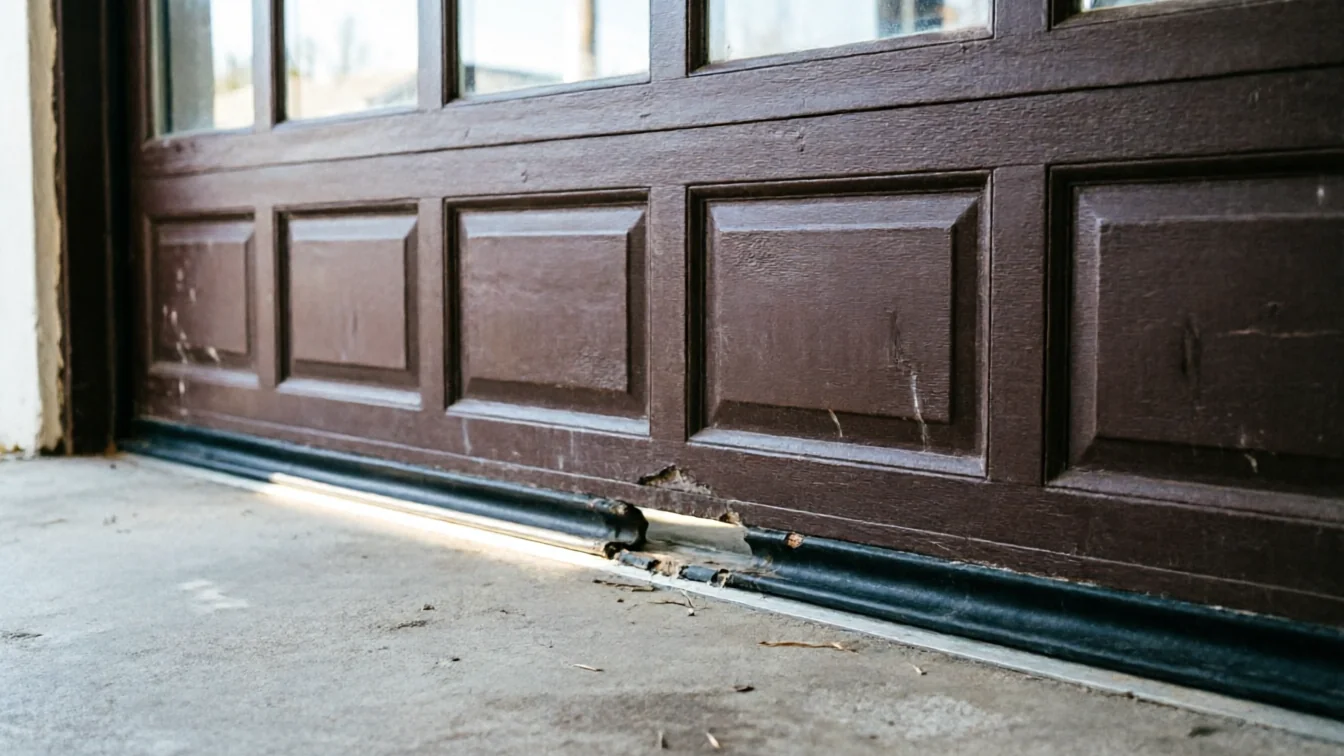
What We Look At Before We Touch Your Door
Minnetonka's housing runs 1957-2005 with heavy 1960s-70s stock and a severe cold climate band.
Read guide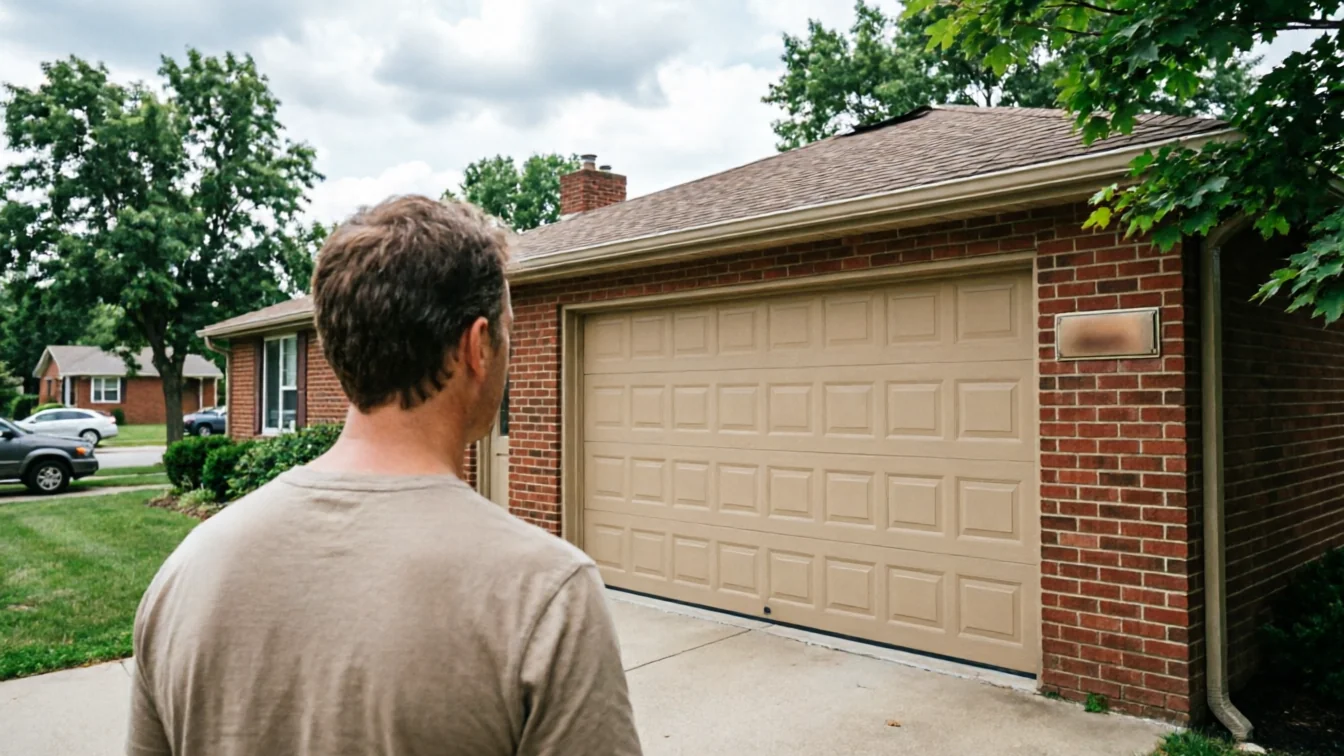
Why Older Minnetonka Garages Fight the Cold
Minnetonka's housing stock dates mostly to 1957-2005, before today's insulation codes, leaving many garage doors uninsulated against severe cold winters here.
Read guideReady when you are
Need a garage door sorted in Minnetonka?
Minnetonka Garage Door Pros repairs and installs garage doors, springs and openers in Minnetonka, MN and the surrounding area.