
Seasonal call patterns
What we can tell you is how the season shapes the calls. The climate band here is cold and severe, same as the rest of our coverage area, and that's the thing that actually drives timing more than distance does.
Roseville, Minnetonka MN
Roseville homes mostly date to 1968, a decade newer than our typical service-area house. We cover the torsion springs and openers that era actually used.
What we do here
Local housing
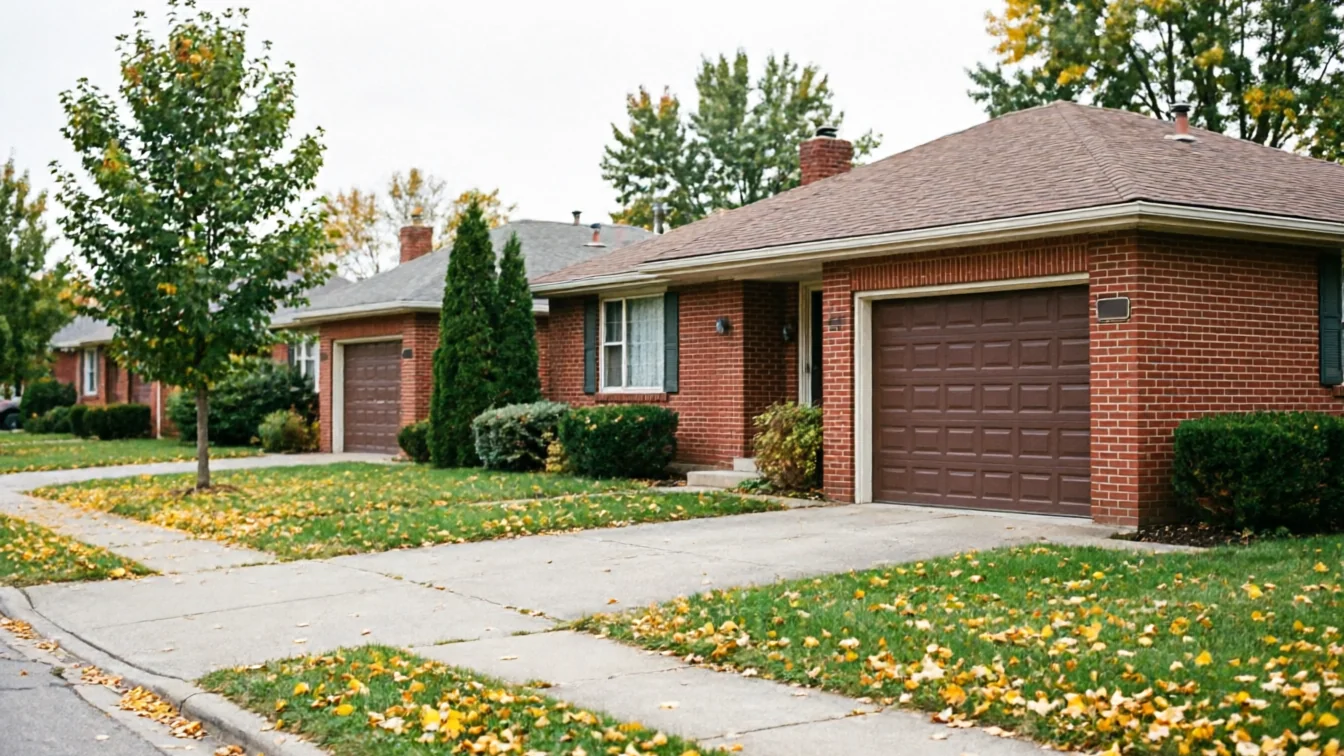
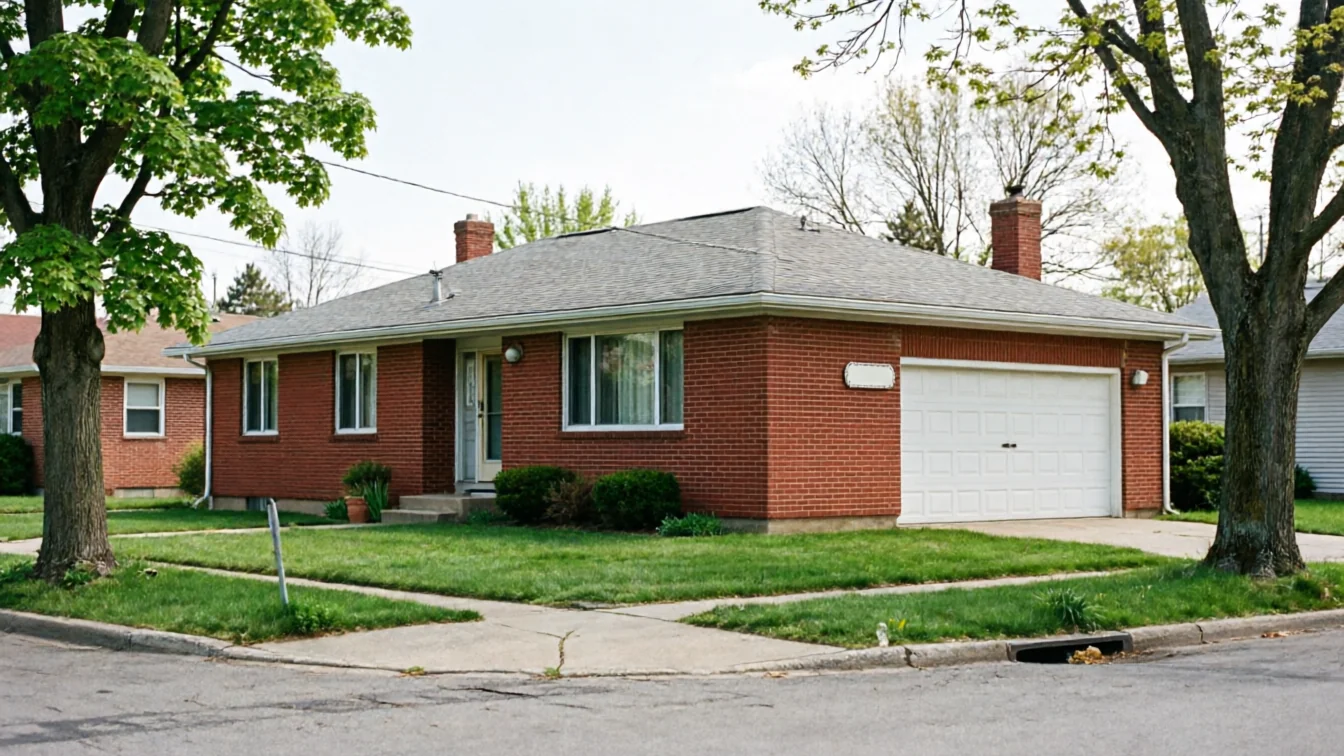
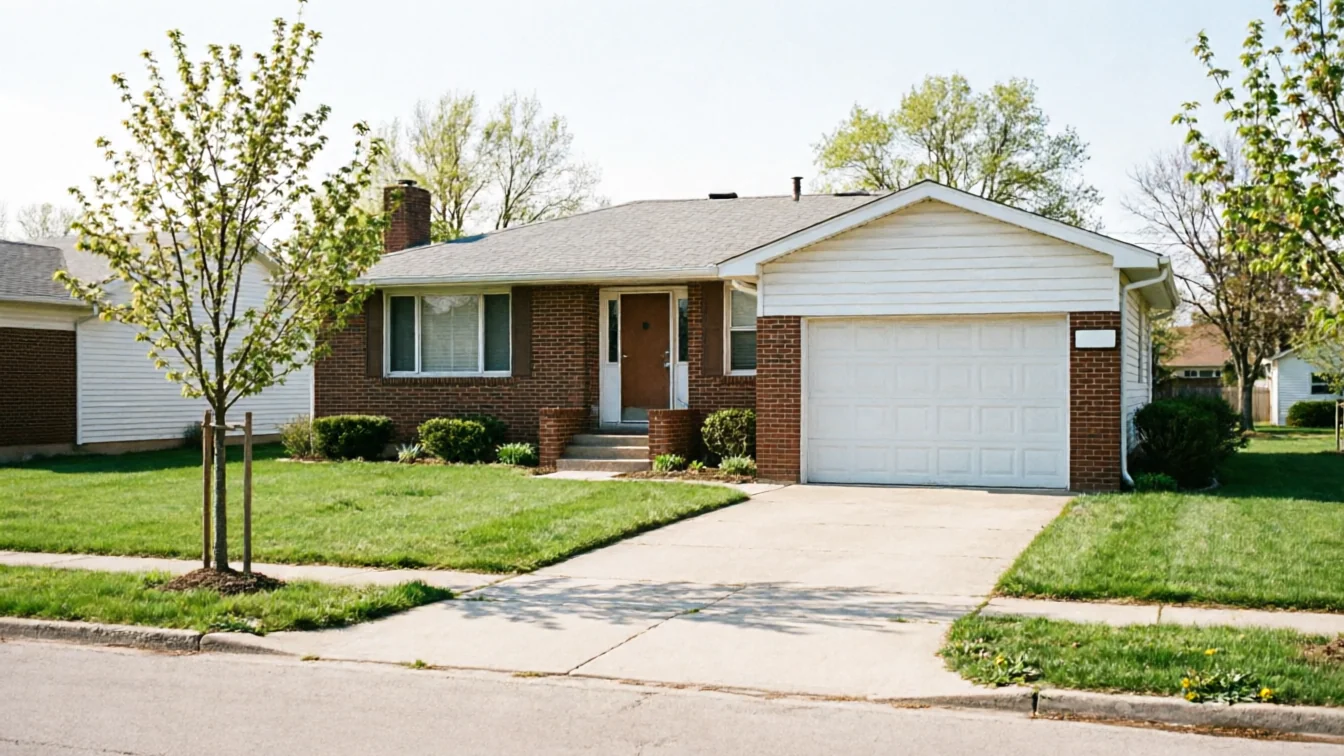
Roseville's houses run newer than a lot of what we see on the rest of the route. The median build year here lands around 1968, while the broader service area we cover out of Minnetonka centers closer to 1977. That matters because 1968 puts most of this area's garages into the thick of the 1960s-70s construction wave that's common across the 52 communities we work in, rather than the later stretch that runs into the 2000s on newer side.
With 15,586 households in Roseville, this is a smaller pocket than some of the areas we cover - the full service area runs 229,051 households and 112,905 owner-occupied houses. That doesn't change the work, but it does mean fewer of the newer insulated steel doors you'll find in subdivisions built after 2000, and more of the original steel and wood panel doors that went up when these streets were first platted.
Median household income here sits at $88,440, below the $109,722 median for the service area as a whole. That tends to show up in the calls we get - more repair requests to keep an existing door running, fewer straight-to-replacement calls.
Response times
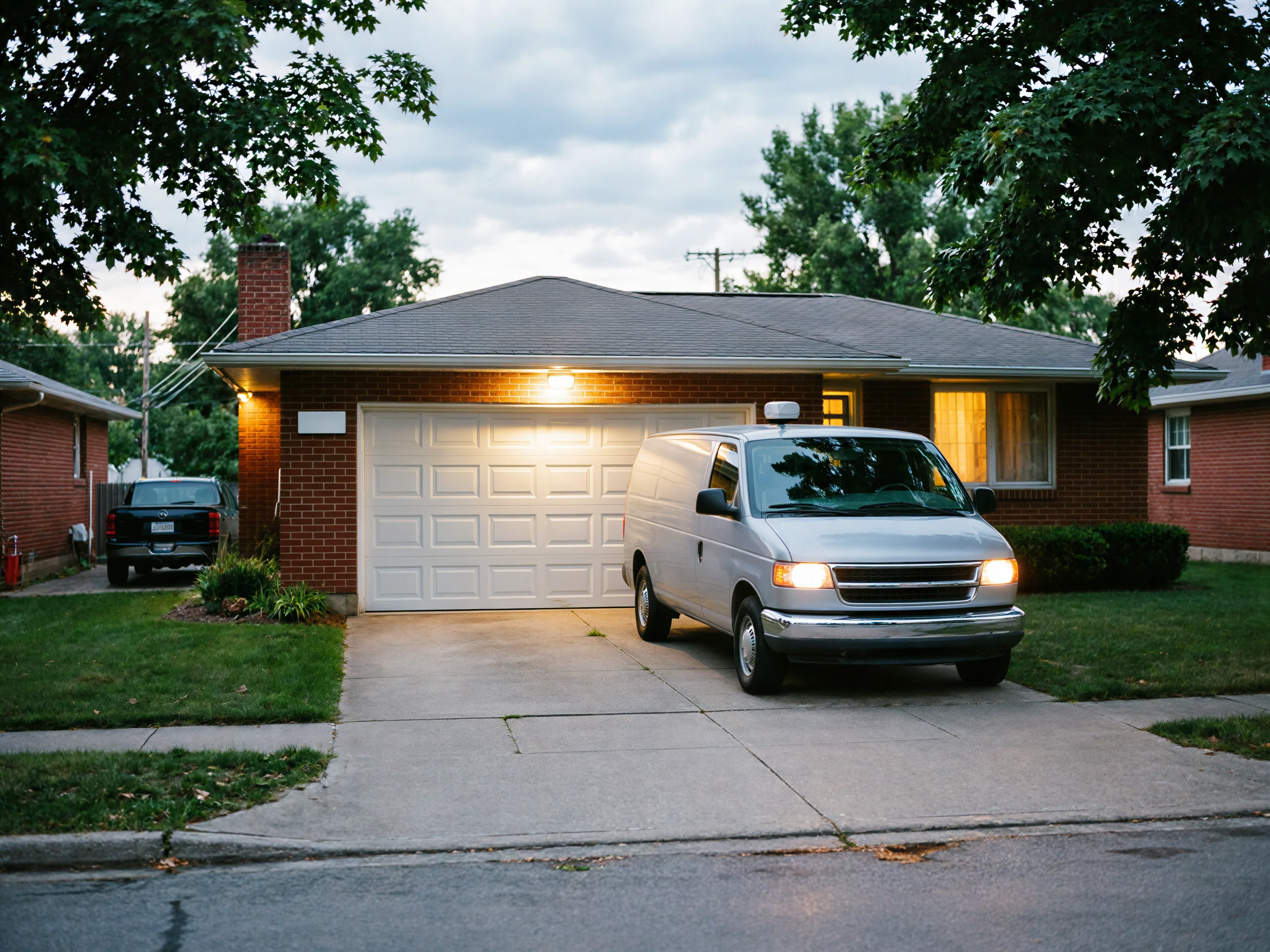
We run out of Minnetonka, about 16 miles from Roseville, so we're not sitting on this side of the metro waiting for a call. That's worth knowing upfront: this isn't a same-day guarantee, it's a scheduled trip.
What we can tell you is how the season shapes the calls. The climate band here is cold and severe, same as the rest of our coverage area, and that's the thing that actually drives timing more than distance does.
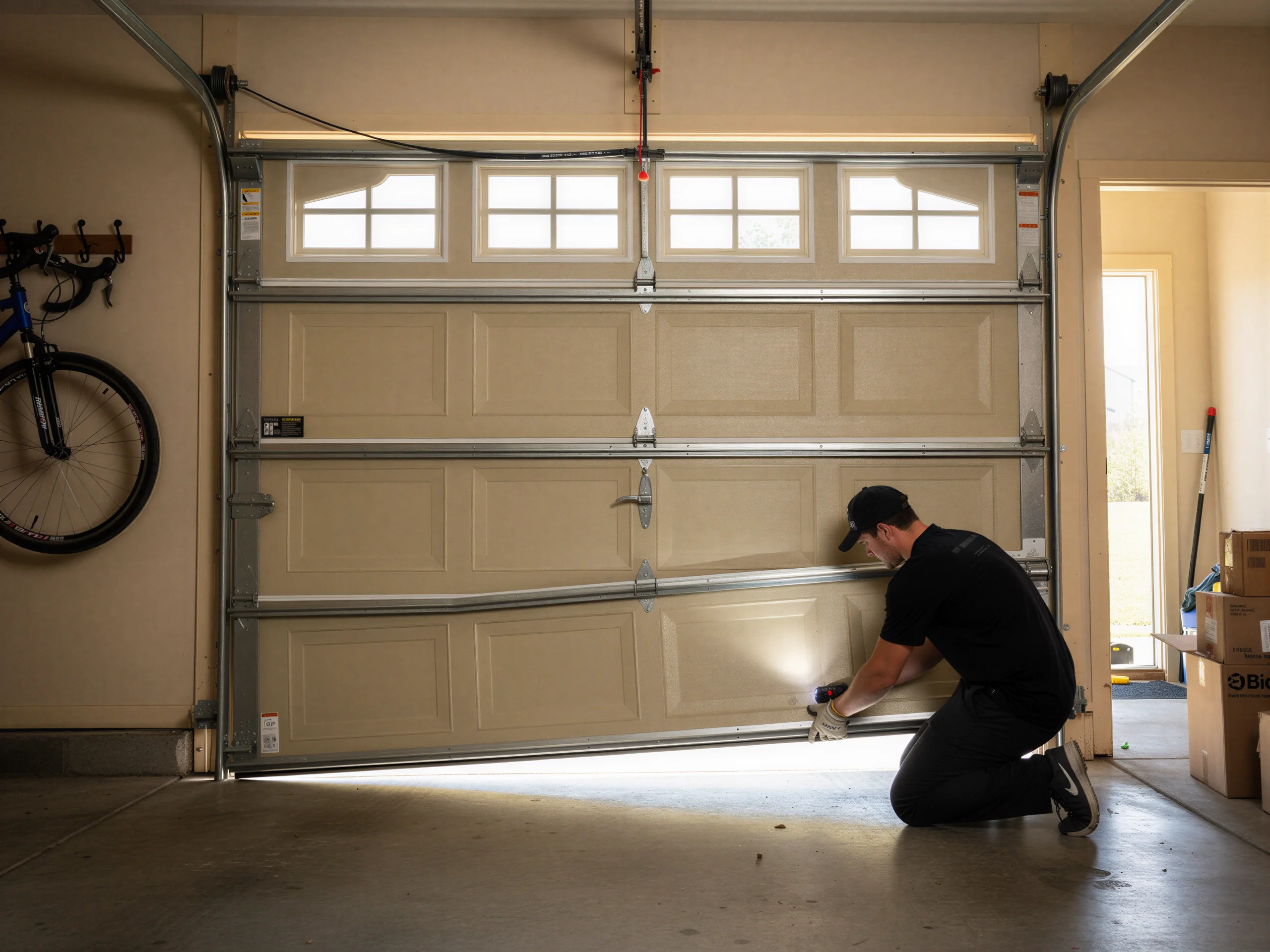
Cold snaps are when torsion springs on older doors - the kind common to Roseville's 1968-era housing - lose their temper and snap, usually on the coldest morning of the stretch, usually right when the door's been cycled a dozen times in a week because everyone's in and out shoveling.
If your door's original to a house built in that late-60s run, plan ahead of the cold rather than during it. We'd rather schedule a spring swap on a calm week than get a call when the torsion bar's already down and the family car is stuck inside.
Door impact
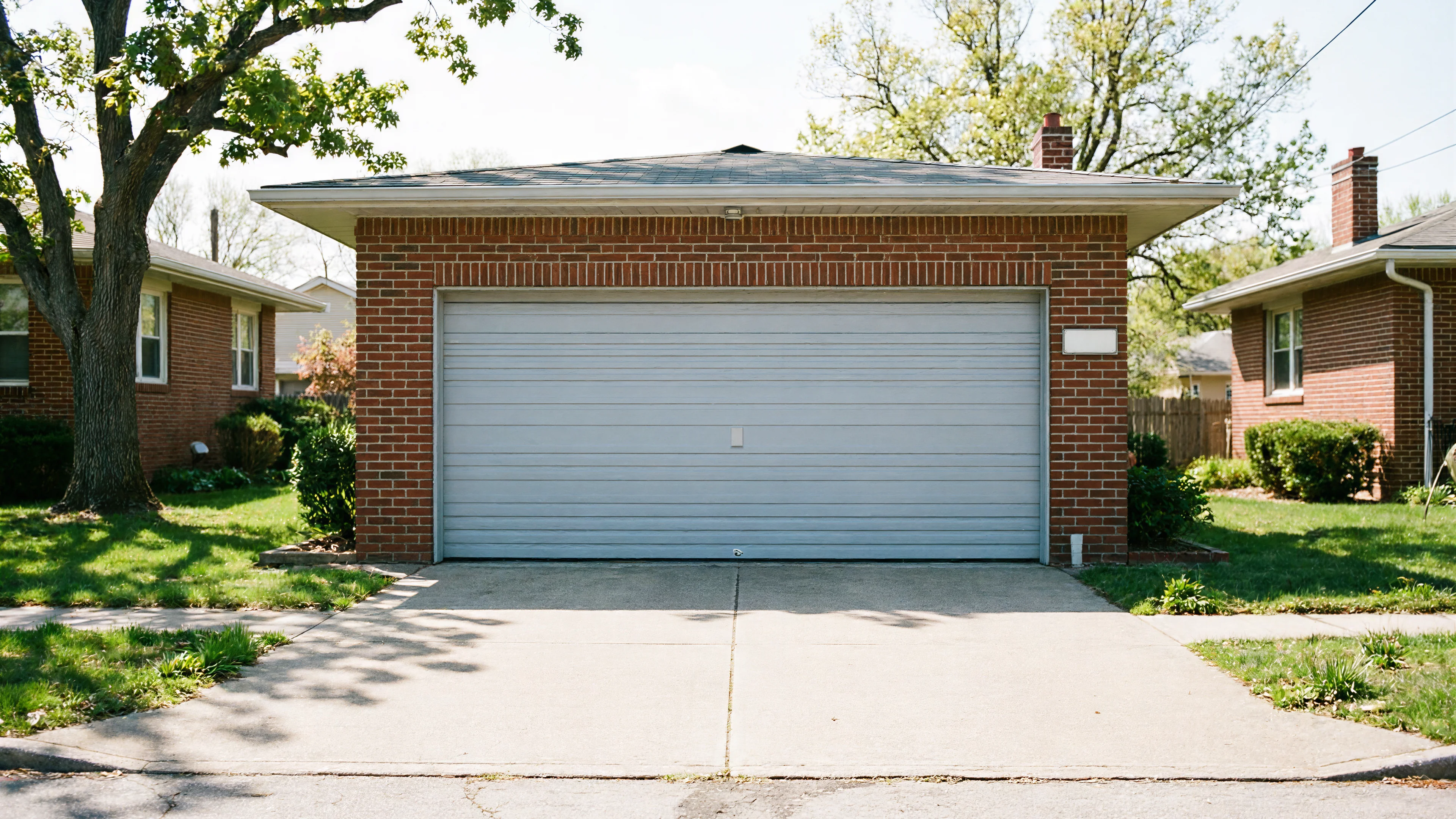
A door installed when a house went up in 1968 is a different animal than one installed in 2005. Hardware from that era tends toward single torsion springs on steel tracks that weren't built with today's insulation or safety sensors, and a lot of the original openers - if they're even still original - predate the photo-eye safety requirement entirely.
What that means in practice: when we're called to a Roseville job, we're usually not swapping one new part for another new part. We're often matching old spring wind and drum size to hardware that isn't stocked on every truck, because it isn't what's sold today. That's the honest limitation - some older torsion hardware takes an extra day to source correctly rather than get forced onto a modern replacement part that doesn't fit the drum right.
Given the area's income profile sitting below the wider service area's median, we see more owners choosing a targeted spring or cable repair over a full door swap, which is often the right call on a door that's structurally sound and just needs its moving parts replaced.
Common jobs
Based on what the housing stock actually is here, the calls run a pattern. Torsion spring replacement on single-spring setups is the most common job - doors from the late 1960s through the 70s typically run one spring rather than the two you'd see on a heavier modern insulated door.
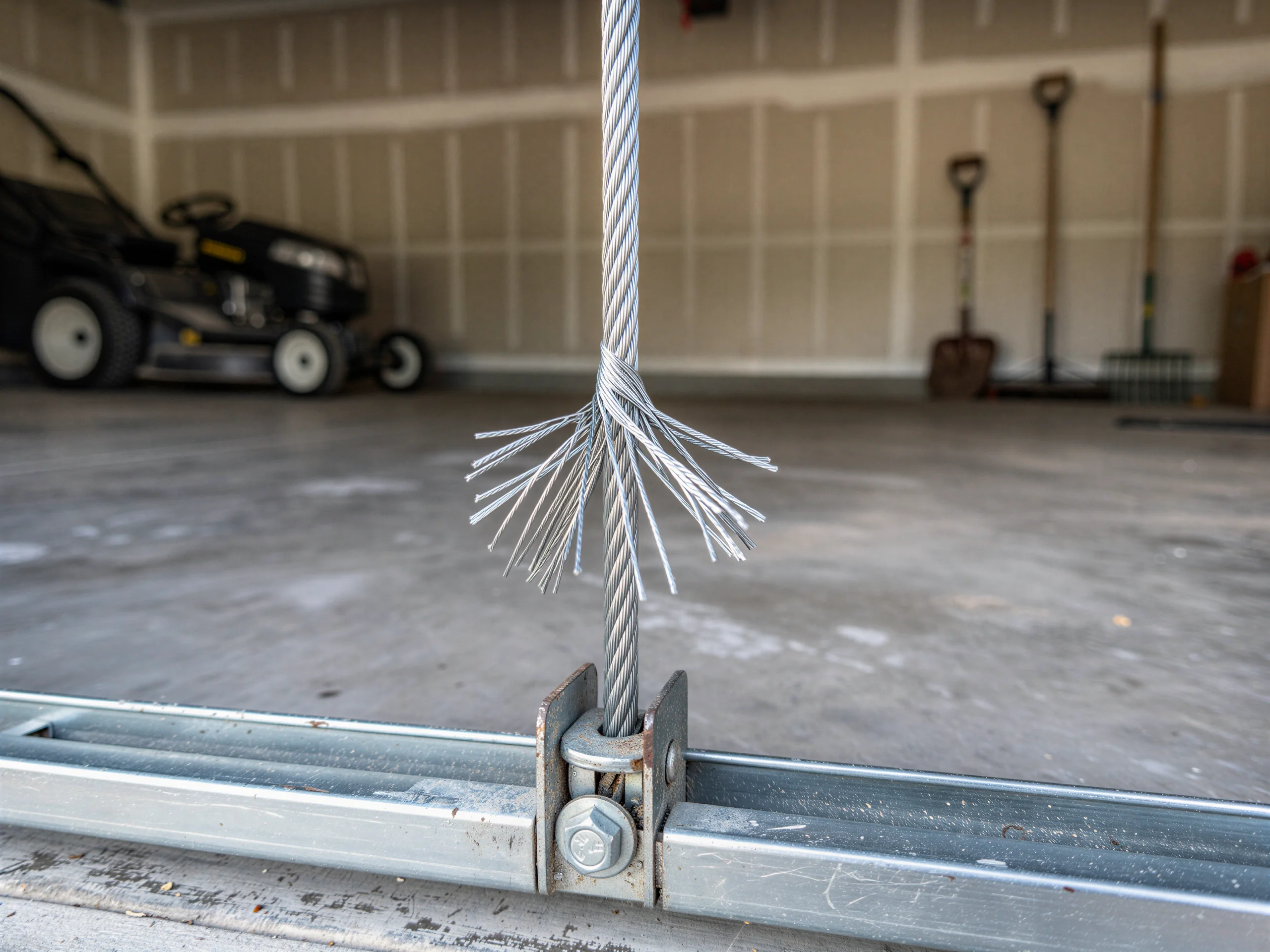
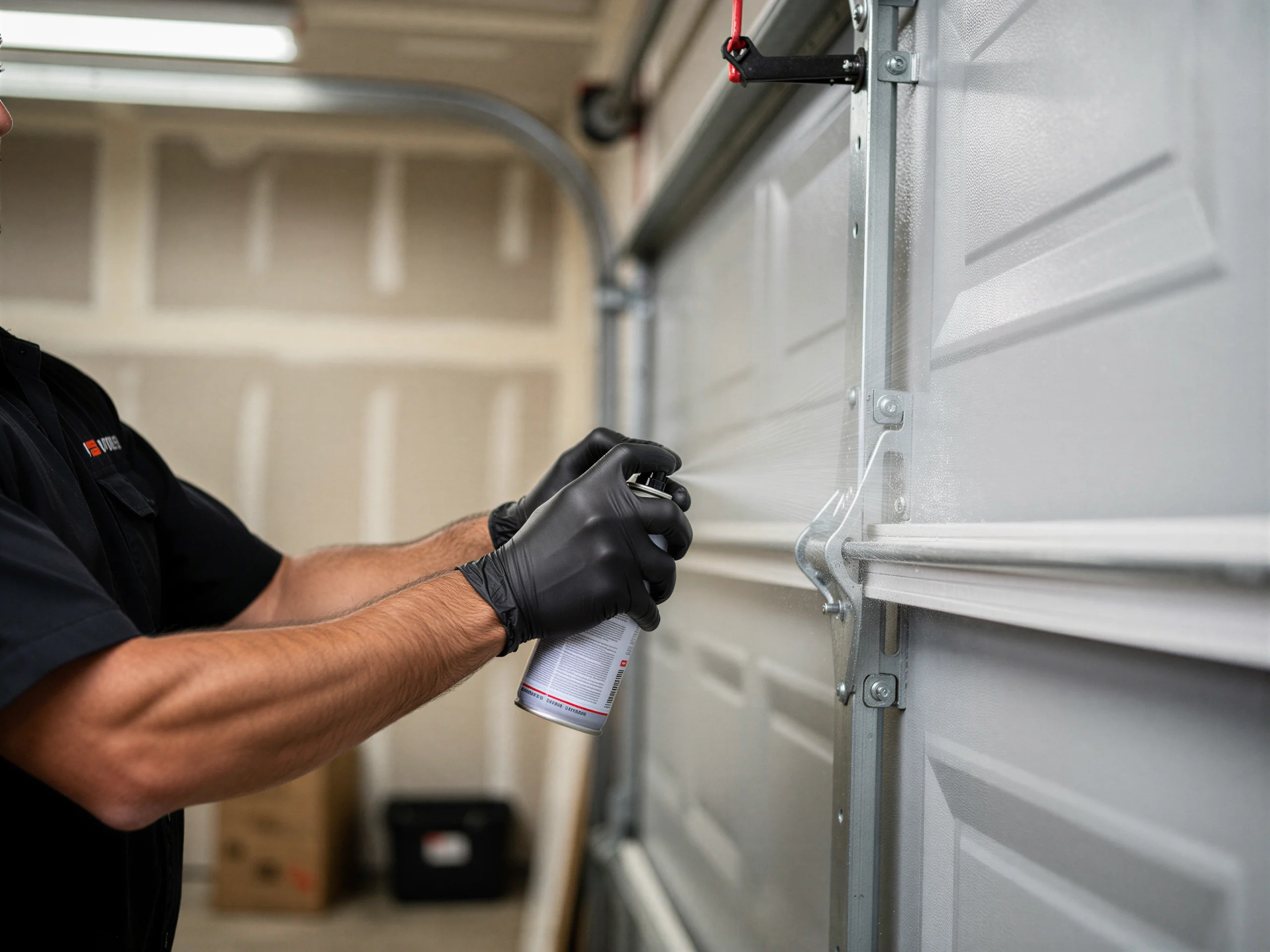
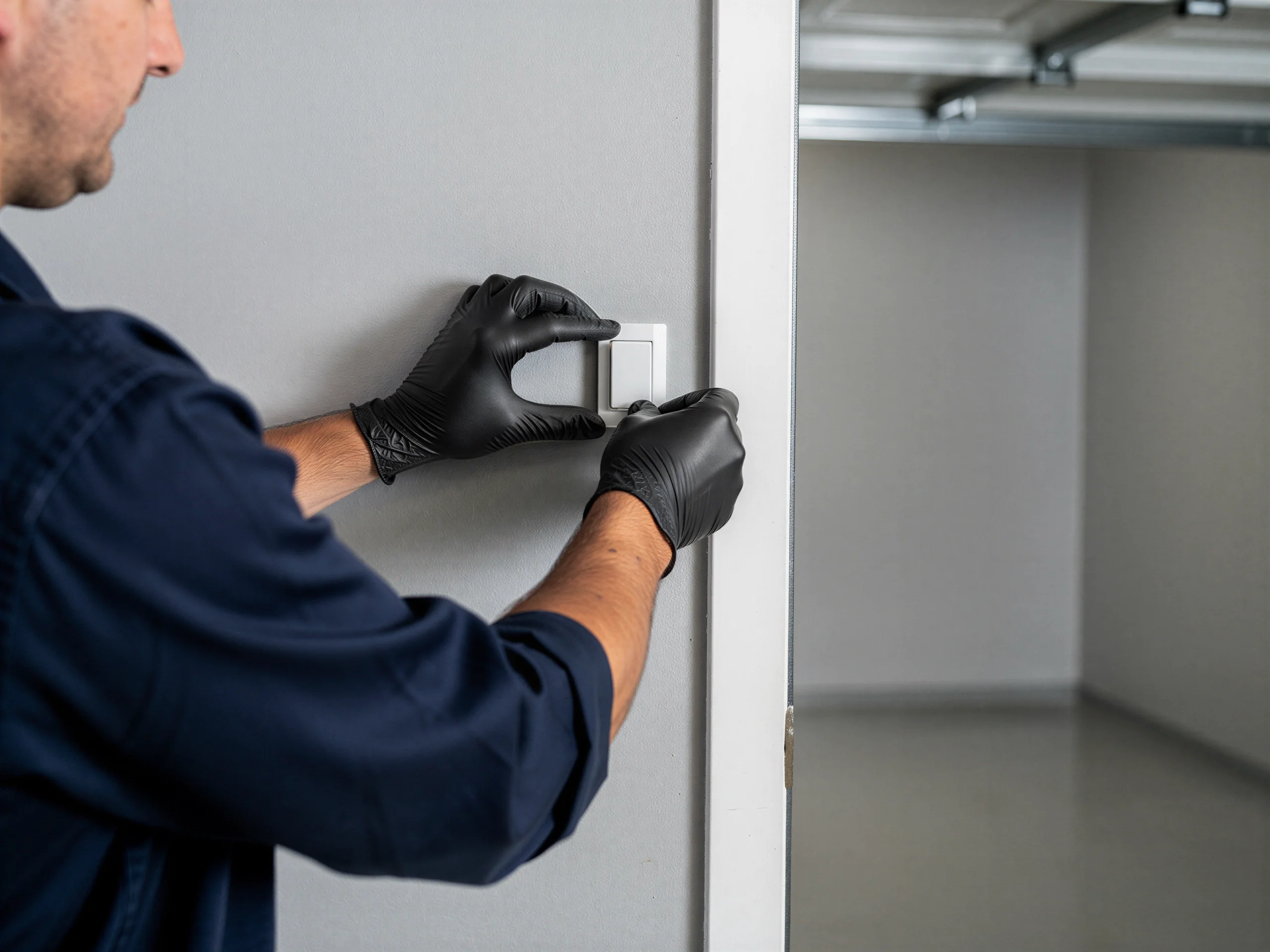
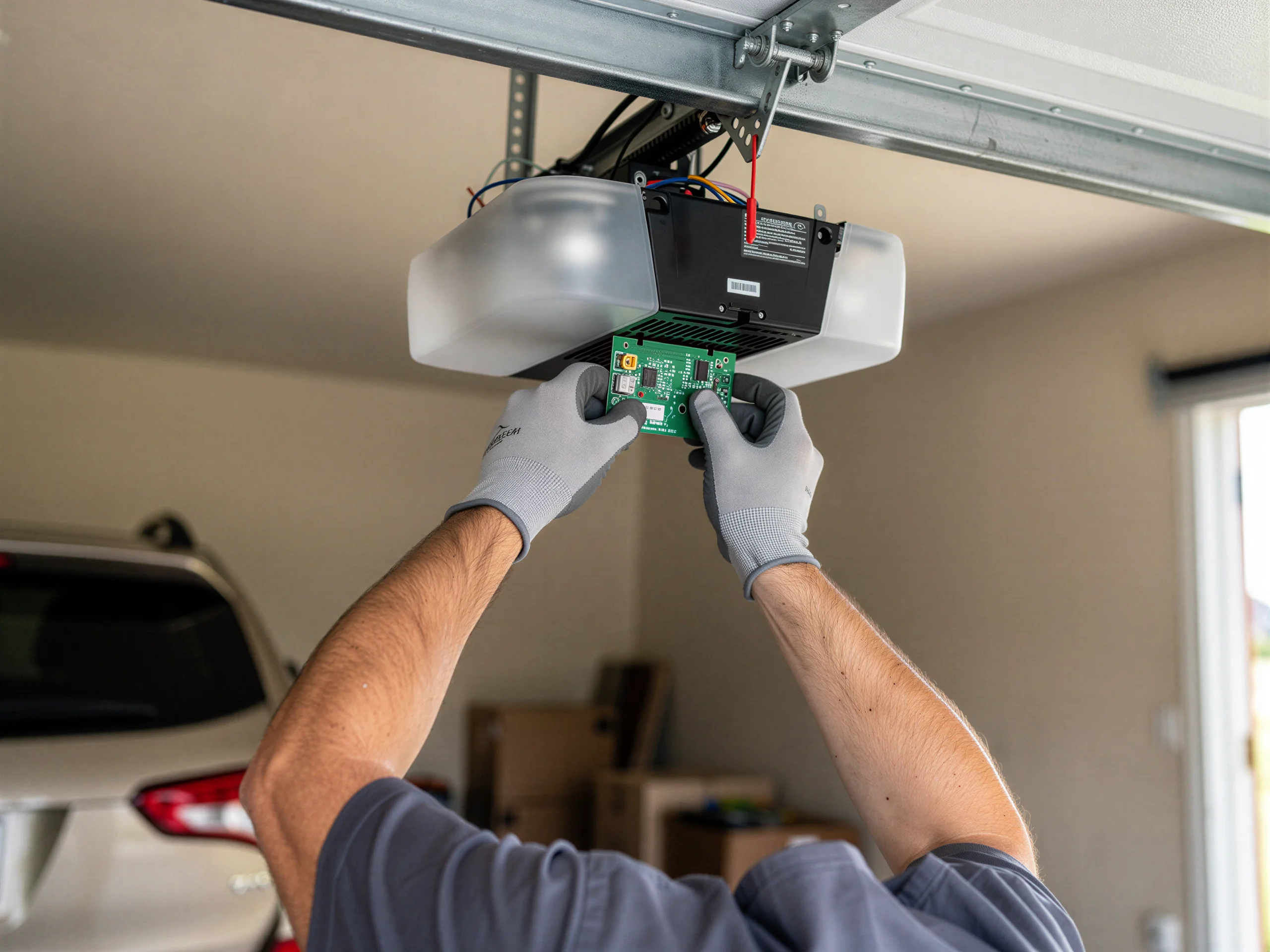
Cable fraying on the same vintage of hardware comes in close behind, especially on doors that haven't had the drums re-lubricated in years. Opener swaps come up often too, less because the opener failed outright and more because an original or early-replacement unit lacks the safety reversal sensors that are now standard, which matters if there are kids or pets using that garage daily.
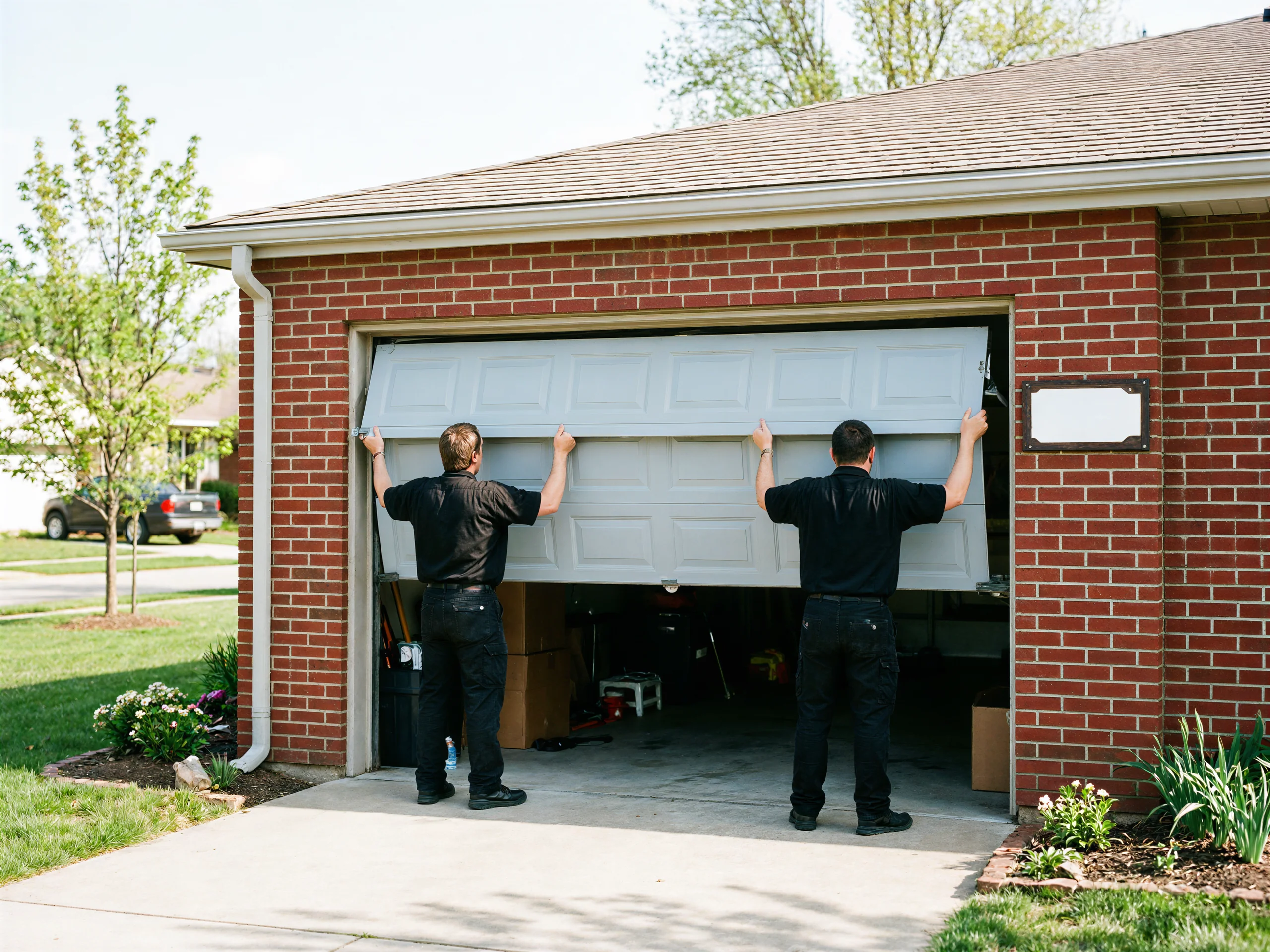
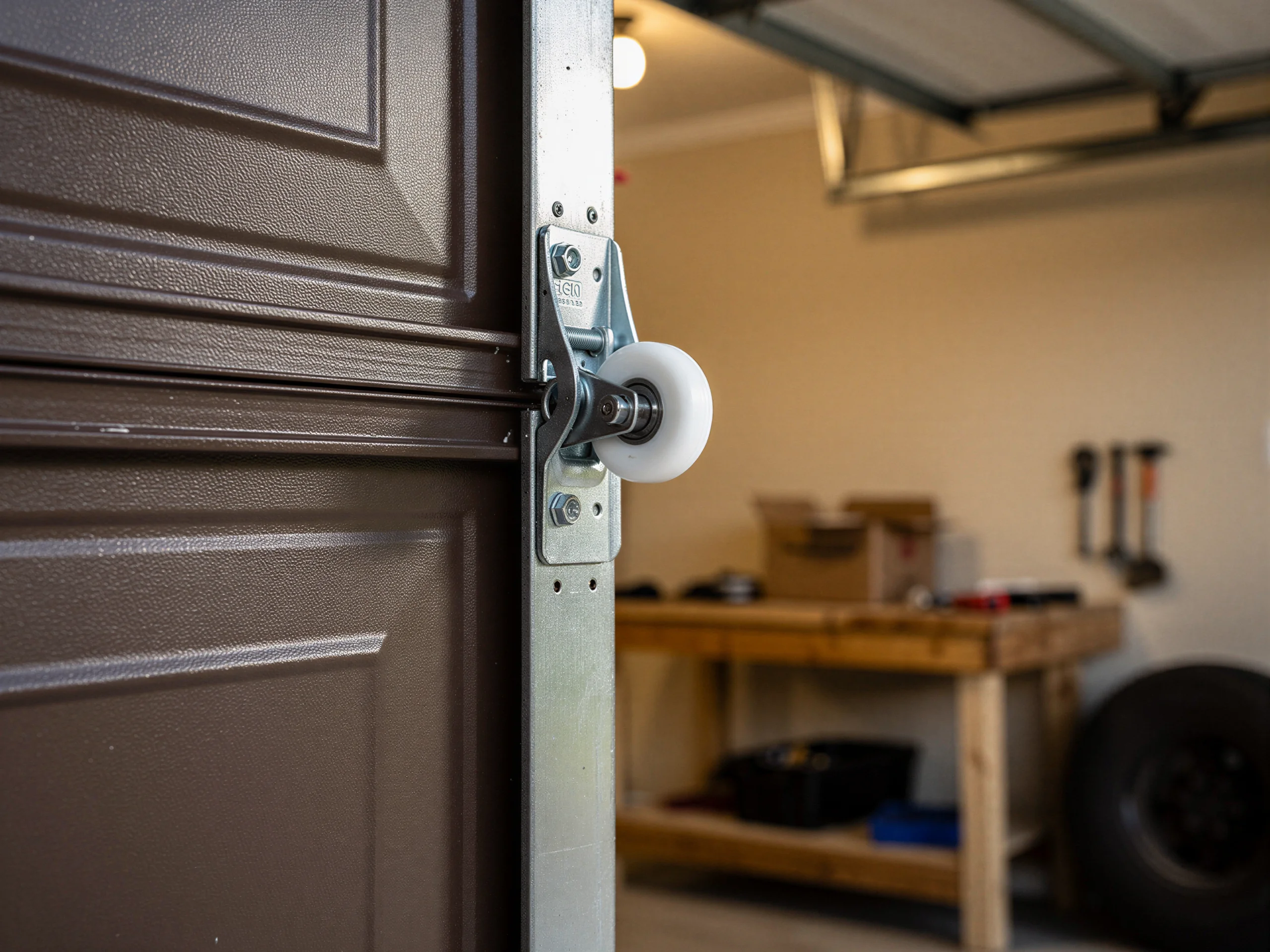
We also get track and roller work on doors that have shifted slightly on their original jamb brackets after decades of settling - common on a house built when this area was.
We don't do new-construction installs in subdivisions that don't exist yet, obviously, and we're not the crew to call if you want same-day emergency service - we're a scheduled trip from Minnetonka. But for the repair work that this housing stock actually needs, that's the bulk of what we're doing on this side of the route.
Service areas
Questions
Cold makes steel brittle and stiffer, and torsion springs that are already decades old - common on houses built around 1968 like much of Roseville - are the ones most likely to snap when temperatures drop hard. The service area sits in a cold, severe climate band, so winter spring failures are a pattern here, not a fluke.
No. We run out of Minnetonka, about 16 miles away, and come out on a scheduled basis rather than from a local base. We don't advertise same-day or emergency response for this area because of that distance.
It depends on the door, but a lot of Roseville houses built in the late 1960s still have structurally sound doors that just need the moving parts - springs, cables, rollers - replaced rather than a full swap. We'd rather tell you that than sell a door you don't need yet.
Sometimes. Torsion hardware sized for a 1968-era door isn't always what's stocked for a 2020s door, so matching spring wind and drum size correctly can take an extra day compared to a straightforward modern part swap.
Ready when you are
Minnetonka Garage Door Pros repairs and installs garage doors, springs and openers in Minnetonka, MN and the surrounding area.