
Drums and bracket checks
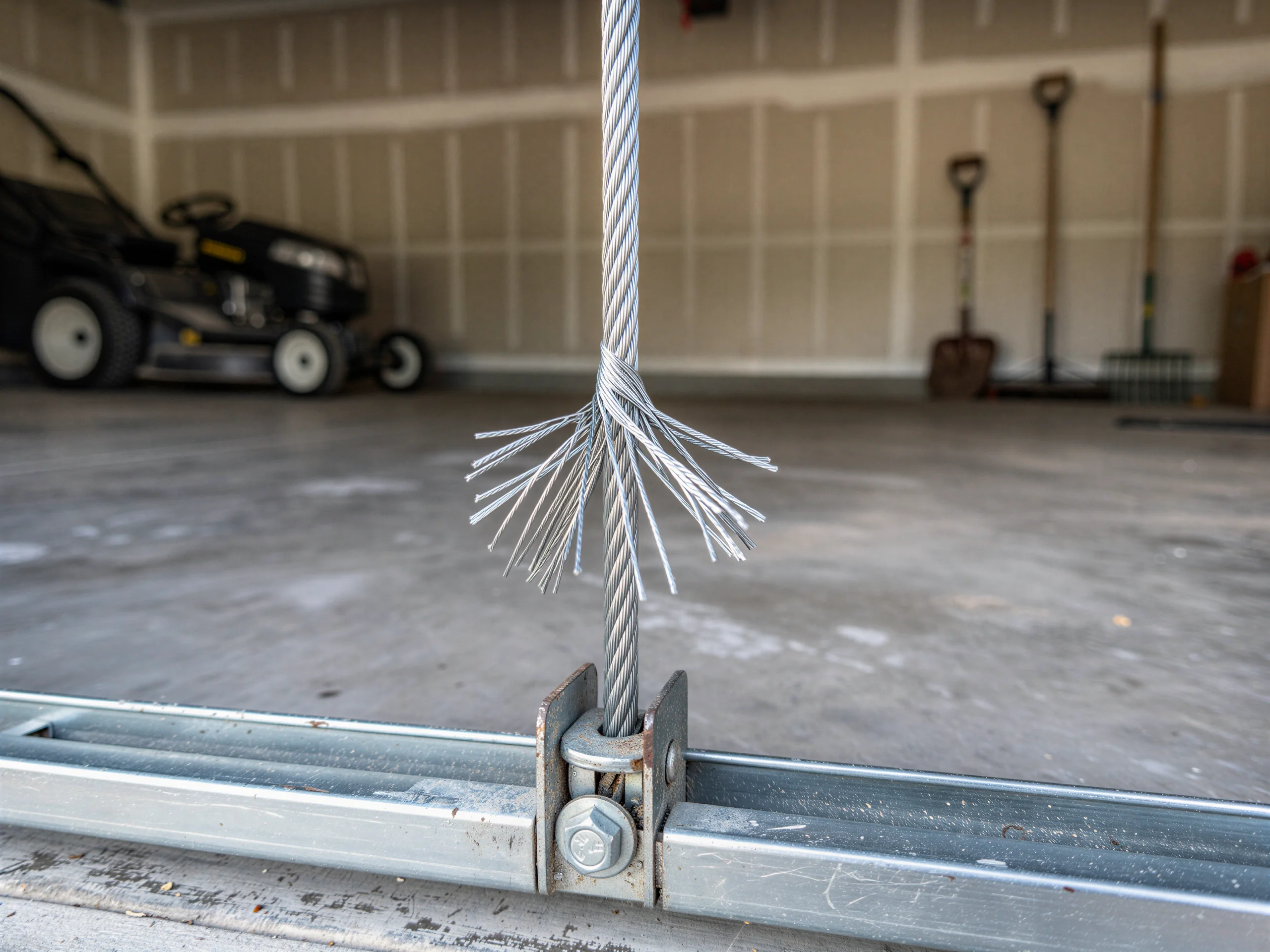
On a door this age, we're also checking the drums, the cable ends, and the bottom bracket while we're up there, because a cable frayed from the same decades of cycling will strand soon after if we ignore it.
Roseville, Minnetonka
Roseville homes built around 1968 carry older steel sectional doors and torsion hardware. Minnetonka Garage Door Pros travels 16 miles to fix what that era actually needs.
Booking
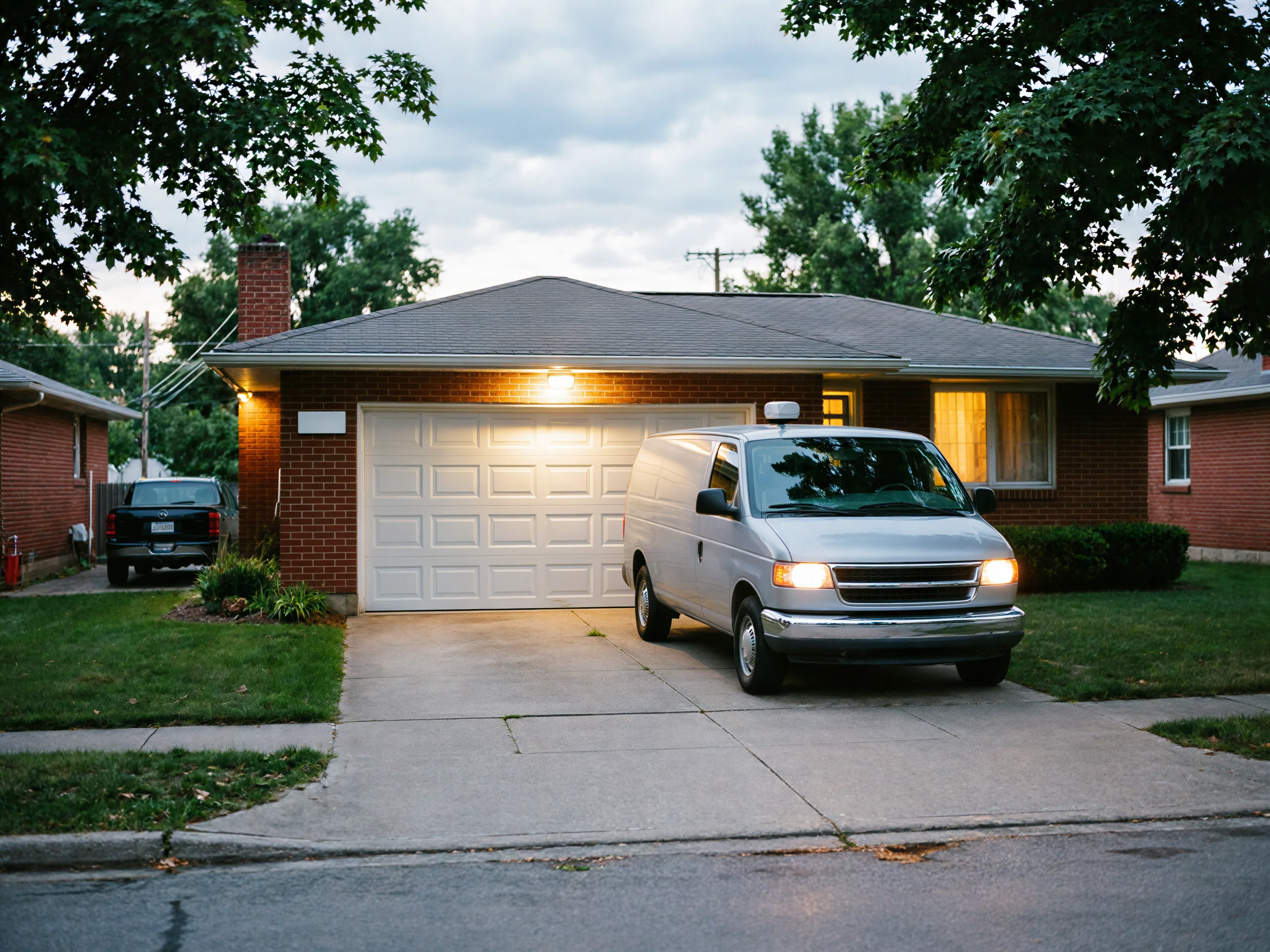
We run this job out of Minnetonka, about 16 miles from Roseville, so we schedule the trip rather than dispatch a crew sitting around the corner.
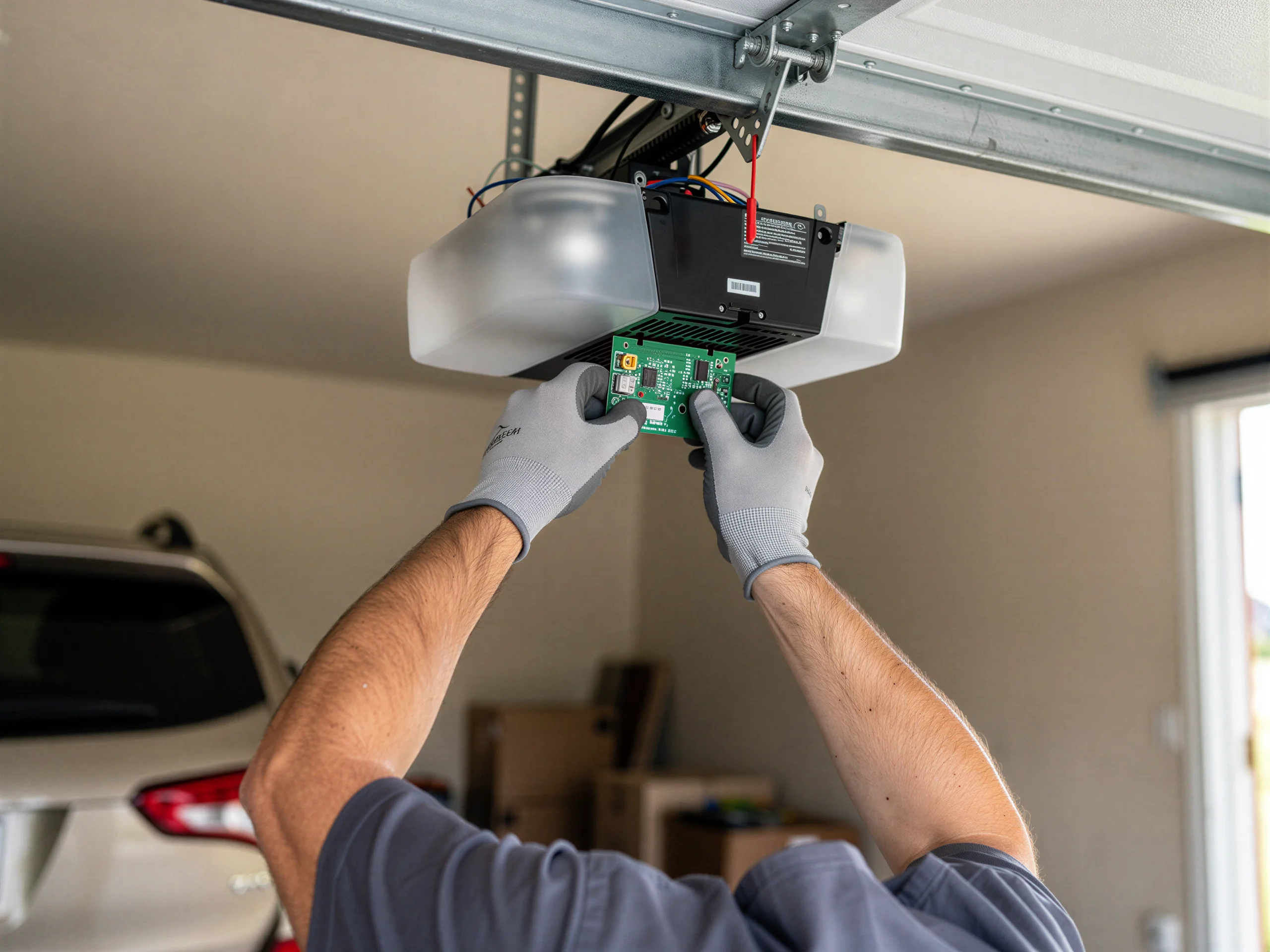
That means we batch Roseville calls when we can, but it doesn't mean you wait around guessing - you call, we ask what the door is doing (won't open, won't close, grinding, sagging on one side), and we tell you straight whether it sounds like a spring, a cable, an opener board, or something structural in the track.
If parts for an older steel sectional door need ordering, we say so before we show up, not after. See our main Minnetonka service page for how we handle scheduling and estimates generally, or check the Roseville area page for what else we cover near you.
We don't keep a branch in Roseville and we're not going to pretend otherwise - what we offer is a truck that comes out, works the job, and doesn't guess at what your door needs.
Local causes
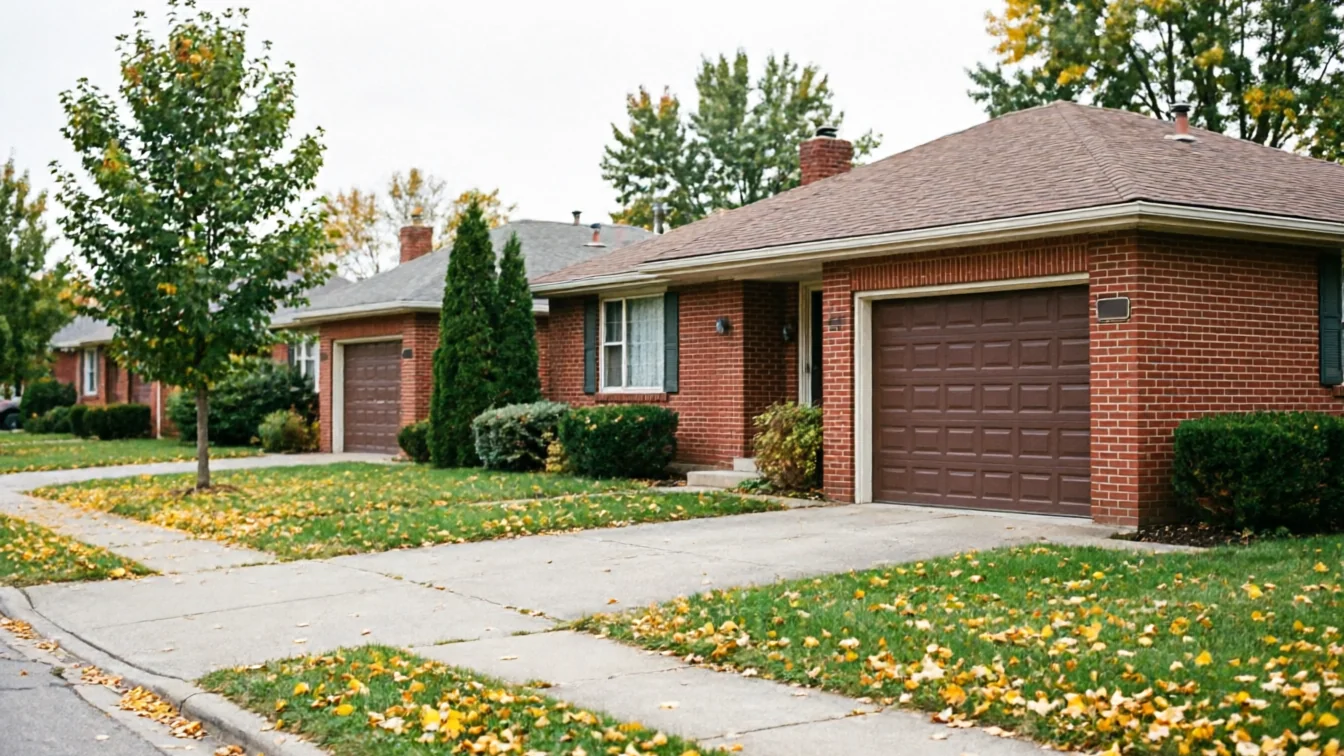
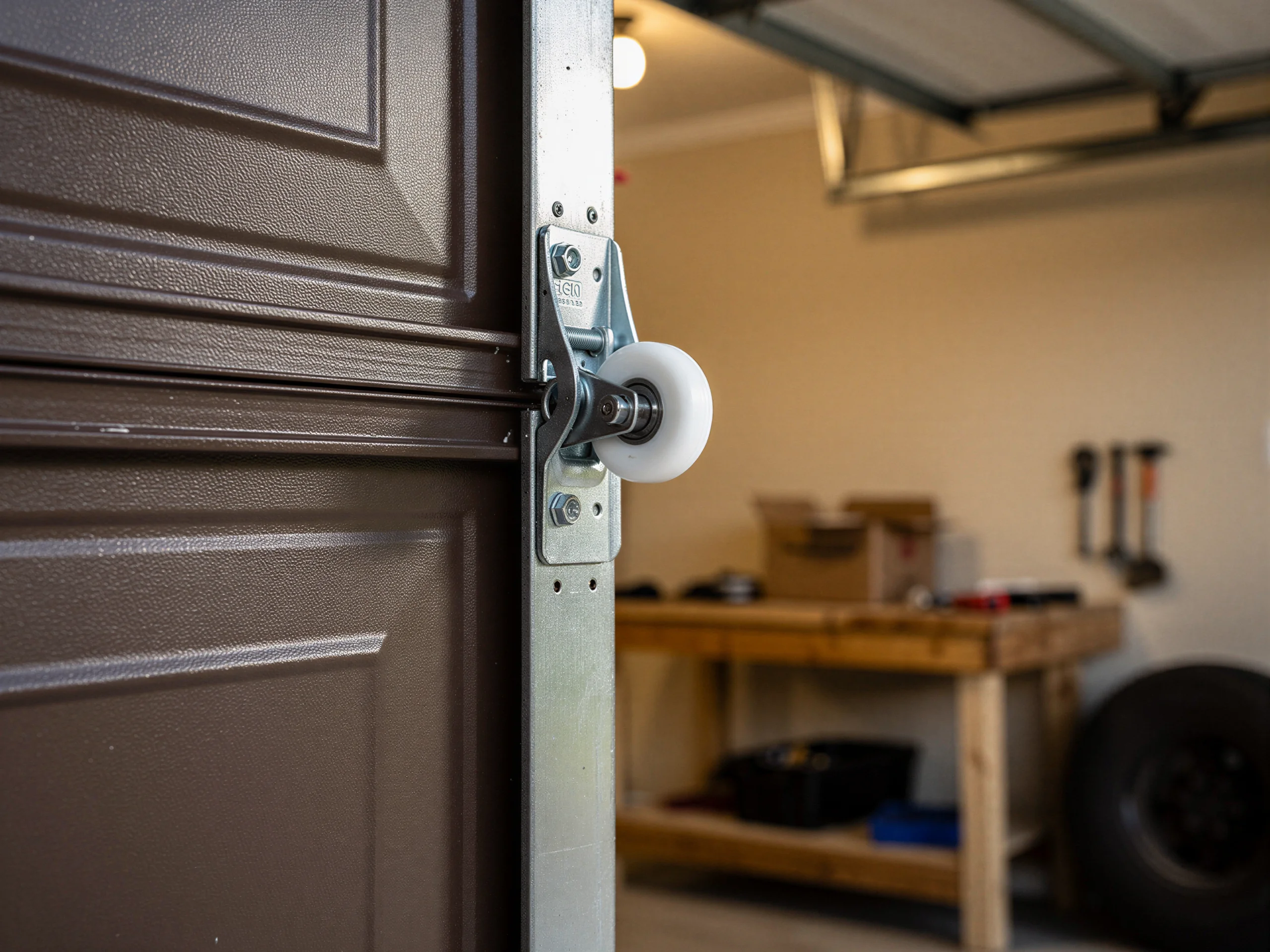
Roseville's housing stock centers on 1968, which puts a lot of garages at roughly 55-plus years old. That generation used steel sectional doors on torsion springs mounted above the opening, often single-car width on the smaller lots from that build period, with galvanized track that's held up fine structurally but has outlived its factory lubrication and its rollers twice over. The failure pattern we see from that era is predictable: the spring finally gives out after tens of thousands of cycles, the nylon rollers crack and bind in the track, or the cable frays where it wraps the drum. None of that is Roseville-specific weather damage - it's just metal and nylon reaching the end of a normal service life on doors nobody's touched since they were installed. Across the wider service area, winter cold adds its own wear: cold-stiffened lubricant makes springs work harder on the first cycle of the day, and that's often when an already-tired spring finally snaps.
Pricing
Roseville's median household income runs $88,440, noticeably below the $109,722 median across the full service area we cover from Minnetonka. We don't price by zip code - a torsion spring job costs what it costs regardless of which suburb it's in - but we mention the income gap because it shapes what we recommend. For a 1968-era single door with a tired spring and a sound panel, repair usually makes more sense than replacement, and we'll say so even when a full new door would be the easier sale for us. We price the actual parts and labor in front of you before we start, not after. We don't have a published price list to hand you here - rates depend on spring size, door weight, and what's actually failed - but you'll know the number before we touch anything.
The repair
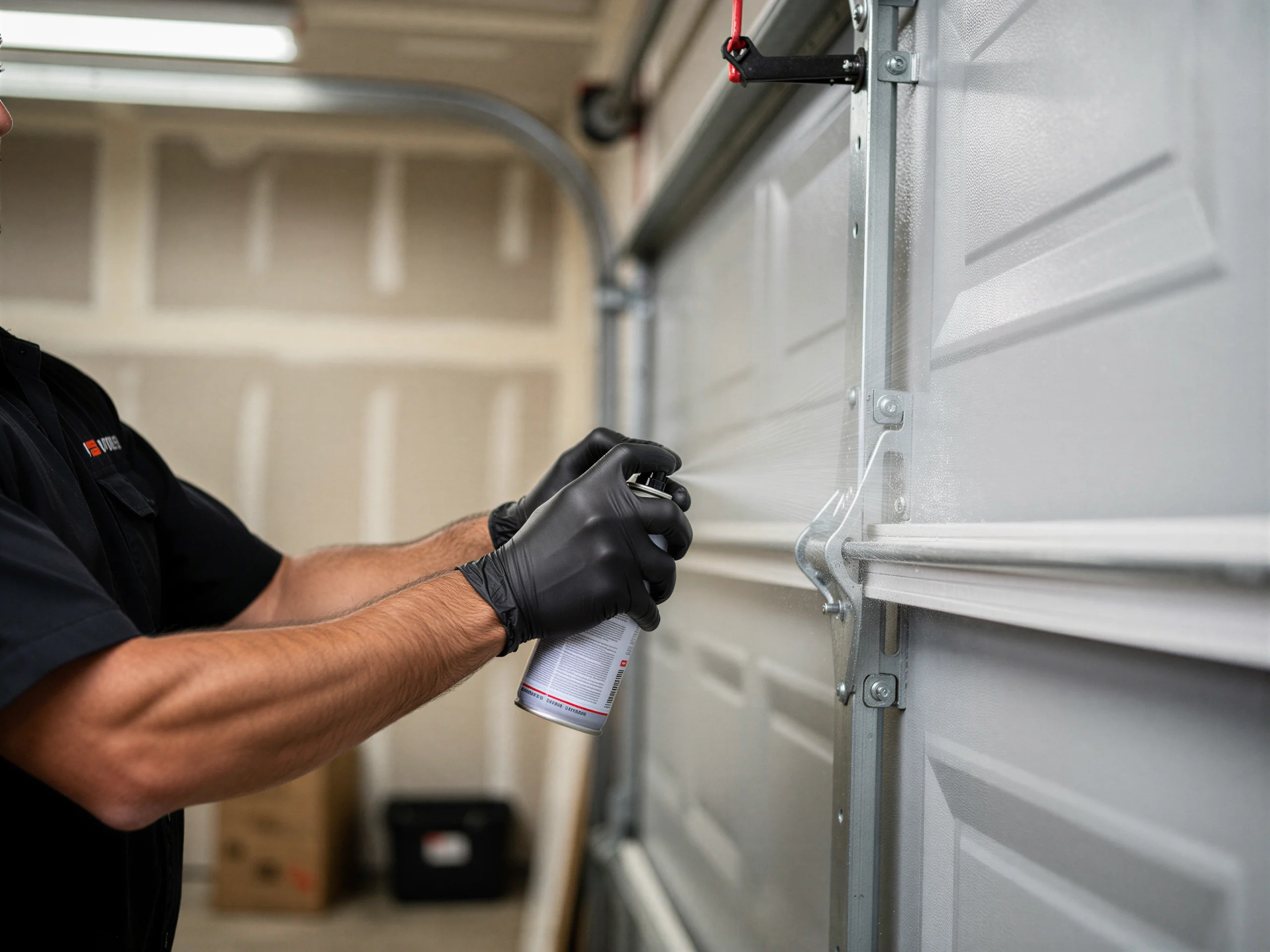
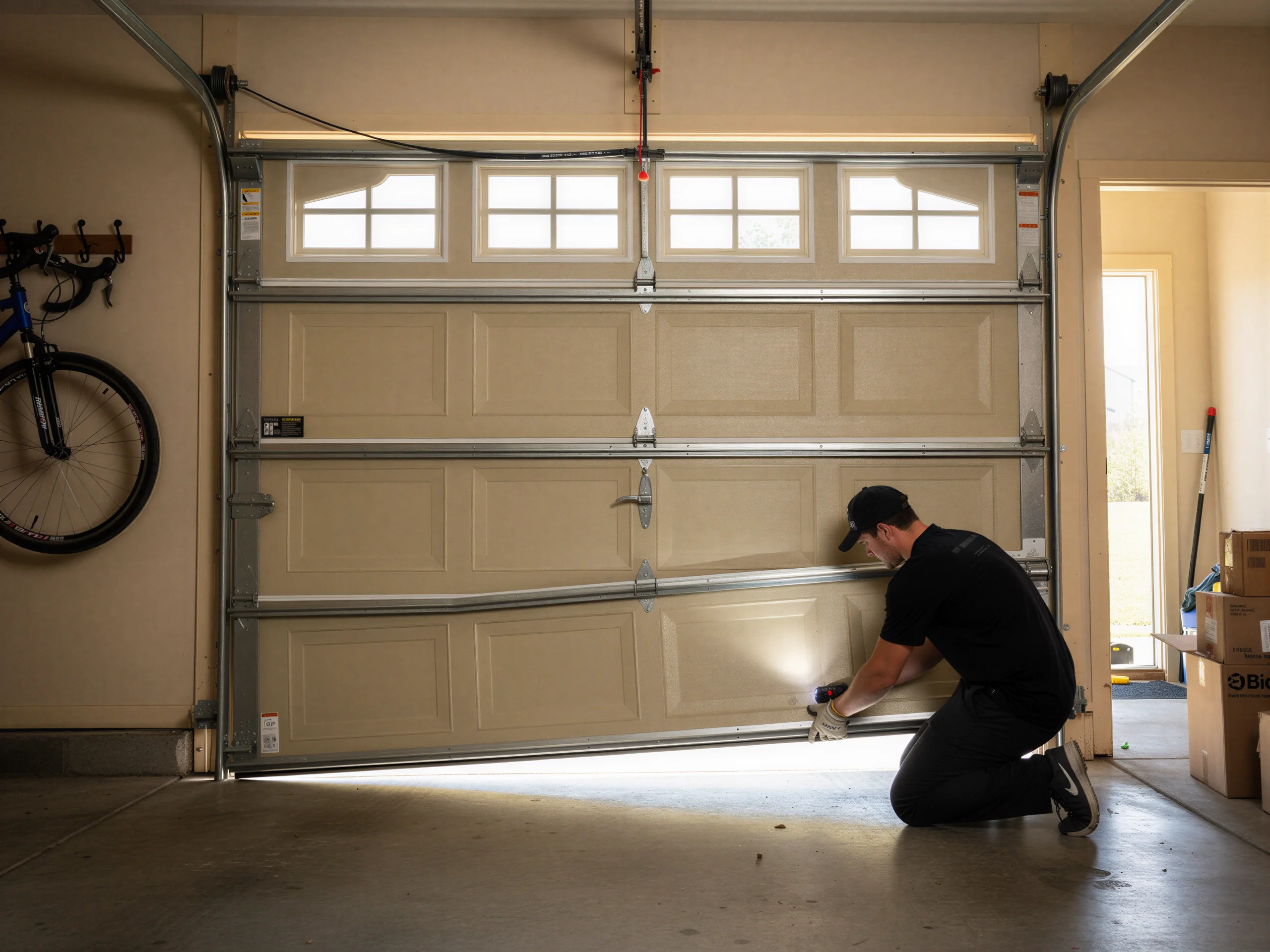
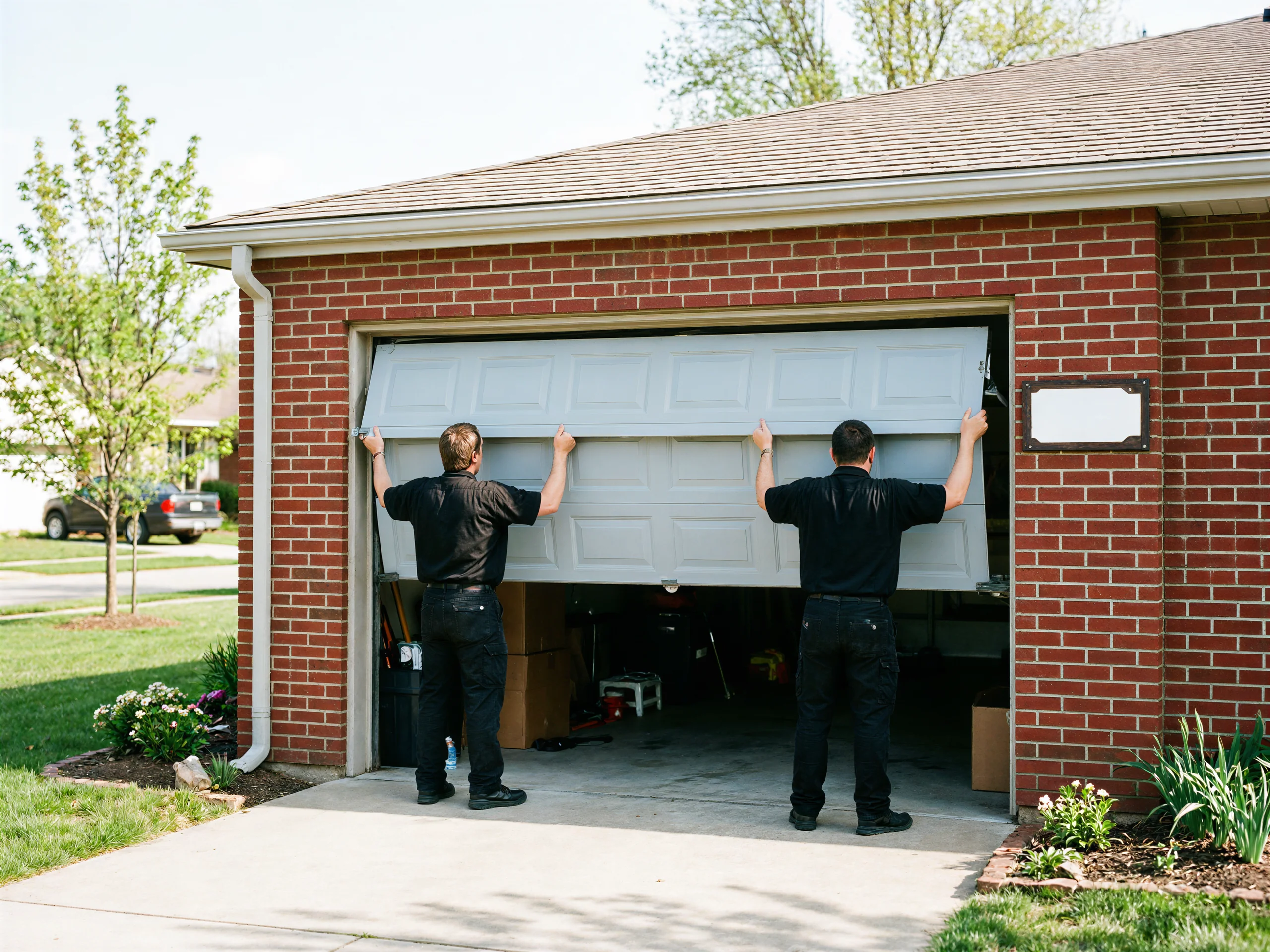
On a torsion spring replacement, we disconnect the opener, clamp the door, unwind and pull the old spring off the shaft, measure wire gauge and wind direction against what's there, and set a matched replacement under the right tension for the door's weight.
On a door this age, we're also checking the drums, the cable ends, and the bottom bracket while we're up there, because a cable frayed from the same decades of cycling will strand soon after if we ignore it.
If the track is bent or the rollers are seized rather than just worn, that's a separate conversation - sometimes it's a track section, sometimes the whole run needs resetting.
We don't do cosmetic panel work on a door that's otherwise failing structurally; if the door itself is compromised, we'll tell you replacement is the better call instead of patching around it.
Symptoms
The door that won't budge, or slams down the last foot of travel, or opens a few inches and stops - on a house from the 1968 wave, that's almost always a spring that's lost its tension, not the opener. The opener motor tries to lift a door it's no longer getting spring assistance on, strains, and either trips its own safety reverse or just stalls. A door that looks fine sitting shut but drops fast or uneven when you pull the release cord is telling you the same thing from the other direction. Grinding or a loud bang followed by the door refusing to move at all is the spring letting go outright - don't run the opener again until that's replaced, because you can bend the track or burn out the motor trying to force it.
On the truck
We stock torsion springs in the common wire gauges that fit single and double garage doors from the 1960s-70s building wave that makes up most of this part of the service area, along with standard nylon rollers, lift cables, and bottom brackets sized for steel sectional doors of that generation. What we don't keep on the truck is a wide stock of decorative panel inserts or obsolete opener control boards for discontinued models - if your door needs one of those, we'll tell you the lead time rather than guess. For a straightforward spring or cable repair on a Roseville garage from that era, the common parts are the ones we already carry, which is most of why that kind of job doesn't turn into a second trip.
Questions
It's not really about age in years - it's cycle count. A torsion spring is rated for a set number of open-close cycles, usually in the 10,000-15,000 range for standard residential ones, and a door installed in 1968 has had a long time to use those up. Once it's near the end, cold weather or just bad luck finishes it off.
No. We work out of Minnetonka, about 16 miles away, and travel to Roseville for service calls. We don't keep a local branch here, so scheduling is built around the trip rather than a same-block dispatch.
Usually not, if the panels and track are still sound and it's just a spring, cable, or roller issue - repair is the cheaper and faster fix. Replacement starts making sense once the panels are dented through, the track is bent, or you're stacking repair on repair within a short span.
On houses from the 1960s-70s building wave, a broken torsion spring is the most common cause by a wide margin. The opener tries to lift the door without spring assistance, strains against the full weight, and stalls or trips its safety sensor rather than actually opening the door.
Explore more
Ready when you are
Minnetonka Garage Door Pros repairs and installs garage doors, springs and openers in Minnetonka, MN and the surrounding area.