Six-decade spring fatigue
A door installed when the house was built is pushing the better part of six decades on its springs, and steel fatigues whether or not anyone ever touches it.
Roseville, Minnetonka
Most Roseville garage doors date to the late 1960s, years before today's safety cable standards. We drive out from Minnetonka to fix torsion springs, tracks, and openers.
Booking
We cover Roseville from our Minnetonka location, about 16 miles out, so a call here goes on the schedule the same way a call from anywhere else in the service area does - we don't keep a separate crew or a separate truck staged closer to you. Tell us the symptom when you call: door stuck halfway, opener running but door not moving, a spring that let go with a bang. That's enough for us to bring the right parts the first trip instead of guessing. We don't do same-day emergency promises for Roseville specifically, since we're routing from Minnetonka and traffic on a given afternoon is traffic. If you need a rough sense of the drive and what else we cover on this side, the service area page lays it out, and our Minnetonka repair page covers the full menu of work we do, not just what's specific to this suburb.
Local causes
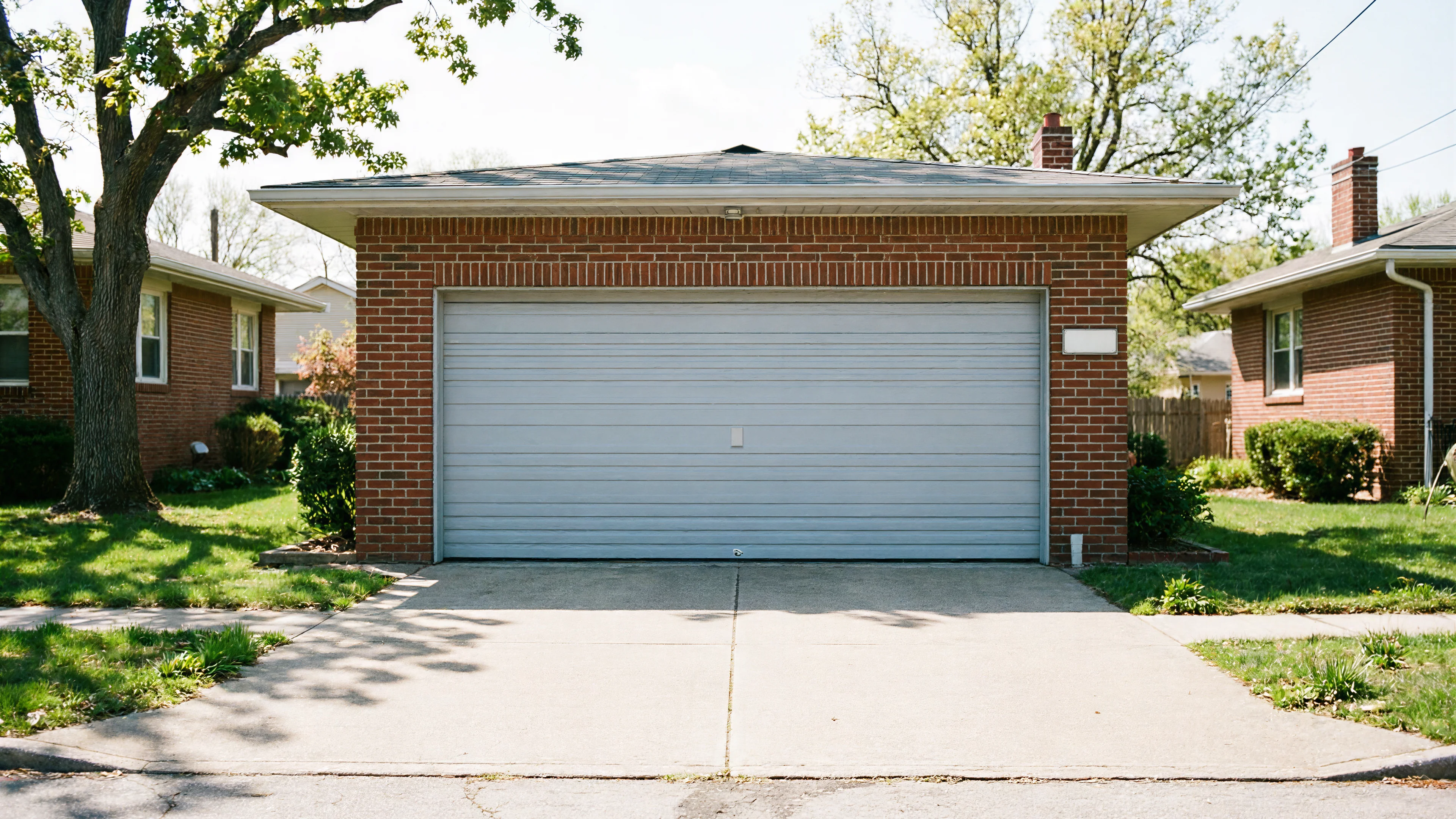
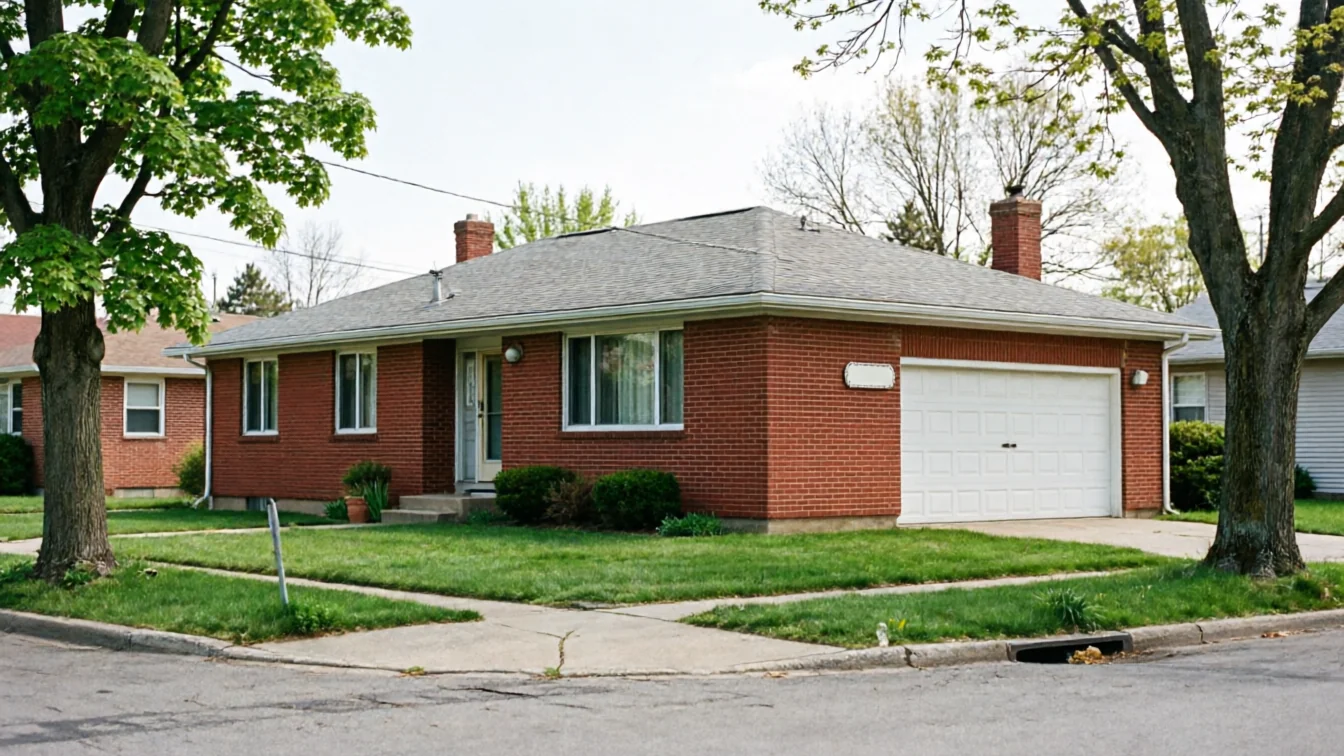
The median home in Roseville went up around 1968, which puts a lot of the original garage door hardware well past the point anyone should trust it.
A door installed when the house was built is pushing the better part of six decades on its springs, and steel fatigues whether or not anyone ever touches it.
Minnesota's winters don't help - cold, severe swings put extra load on torsion springs because cold metal is more brittle and less forgiving of the wear it's already carrying.
What we see most in houses from this era is springs that were never upgraded to the cycle-rated kind, and tracks that have been knocked out of plumb by decades of settling rather than one dramatic event. None of that is unique to any one street; it's just what a '68-built door, forty-plus winters in, tends to look like by the time it fails.
Pricing
We don't have a published price list for Roseville specifically, and we're not going to quote a number here that we can't stand behind on your driveway. What we can tell you is that cost tracks the part, not the town: a torsion spring replacement costs differently than a full opener swap, and a cracked panel on a double-wide door costs differently than a single. Roseville's median household income sits lower than some of the towns closer to our Minnetonka base, and we price the job the same regardless - the spring doesn't know what the household income is. If budget is the real question before anything else, ask for the breakdown on the call so you're not guessing from a phone estimate.
The repair
On a house from the late 1960s, the first thing we check isn't the obvious symptom, it's what's still original.
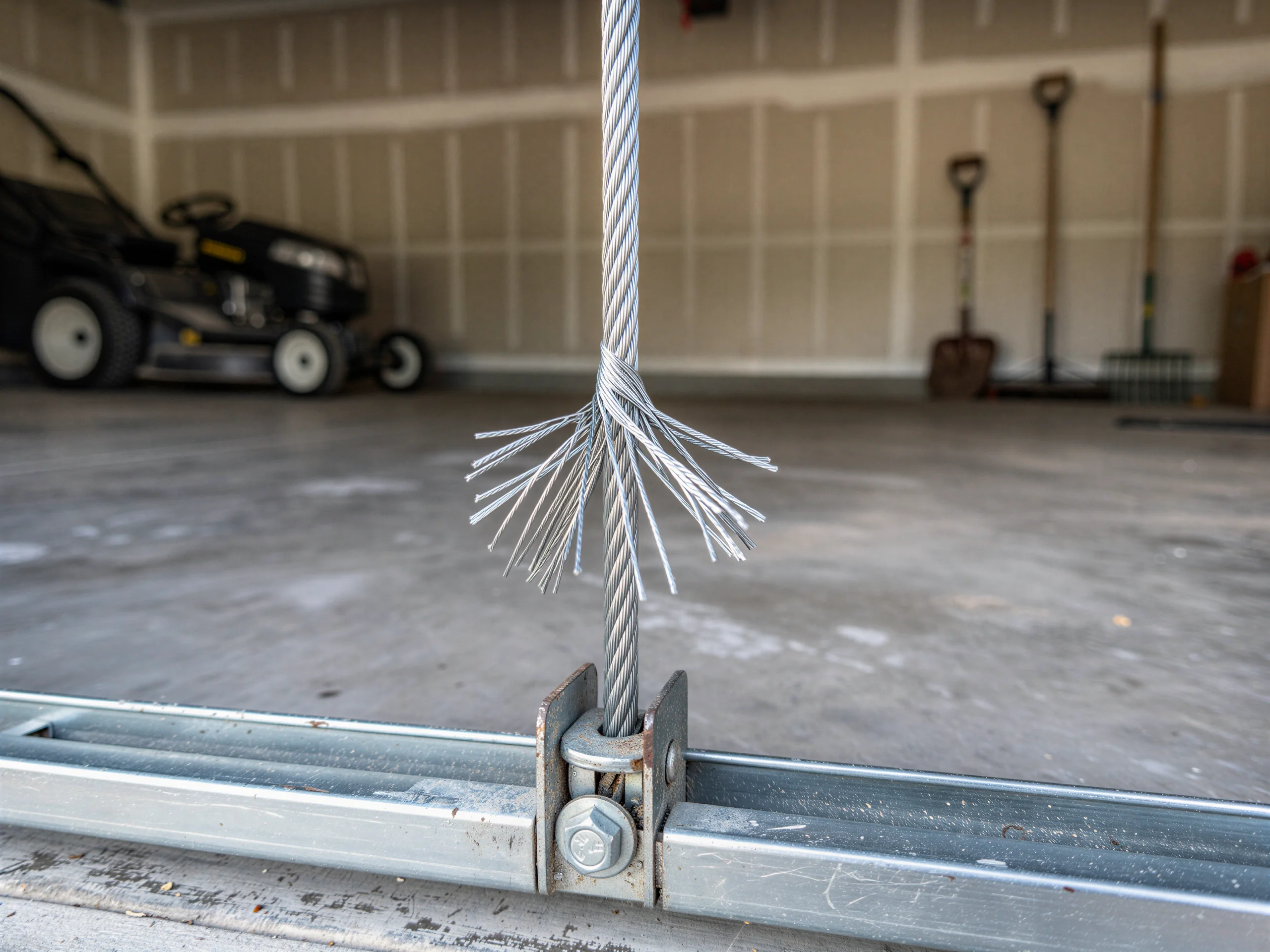
A lot of these doors have never had the springs, cables, or bottom brackets touched since installation, which means we're often working around hardware that predates the safety standards for cable containment that newer installs have built in.
If the spring is original, we replace the pair, not just the one that broke - the other one is the same age and the same number of cycles from failing. If the opener is original too, parts for units that old usually aren't available anymore, and at that point replacement is the honest answer, not a repair quote padded to look thorough.
Symptoms
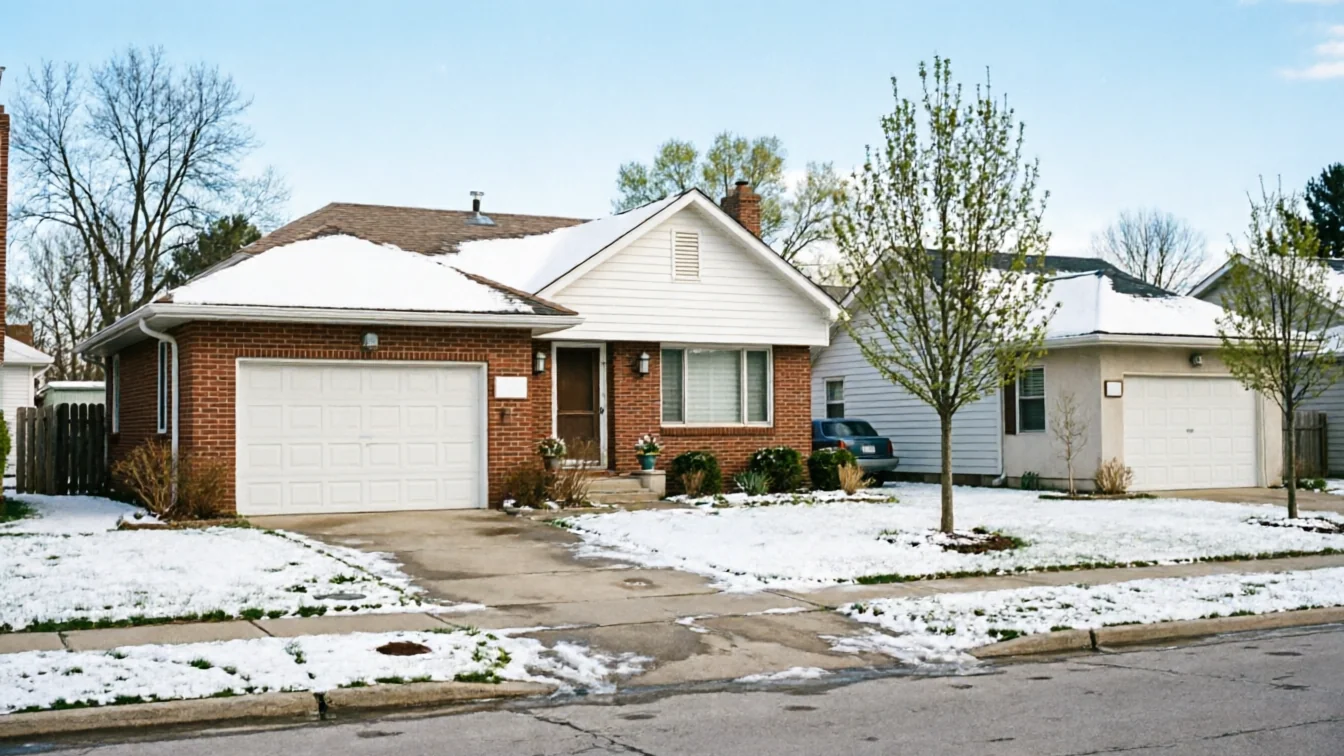
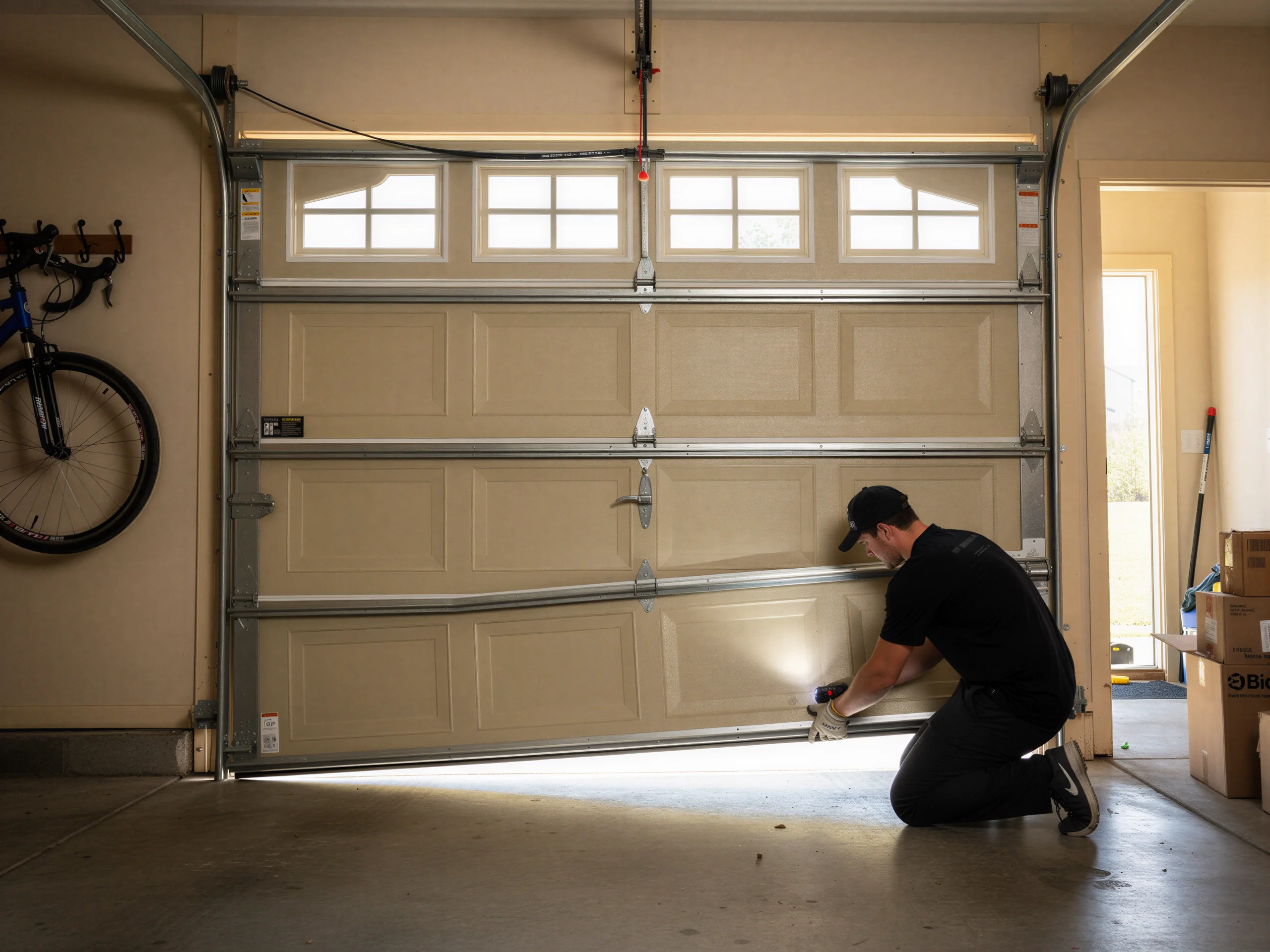
Most Roseville calls start the same couple of ways: the door won't open past a foot or two, or it opens fine and then drops fast on the way down. Both point at spring tension, not the opener, even though the opener usually gets blamed first since it's the thing making noise. A door that's gone silent and heavy, where the opener strains and the chain skips, is usually trying to lift the full weight of the door without spring assistance - that's a snapped torsion spring, and it's not a DIY fix given the tension stored in that coil. If the door shudders sideways instead, it's more likely the track's working loose from the wall, which forty-plus winters of expansion and contraction will do to lag bolts over time.
On the truck
We stock the parts that fail most on houses built in this stretch of years: torsion springs in the common residential sizes, galvanized lift cables, nylon and steel rollers, and standard opener drive components. What we don't keep on the truck is anything proprietary to a specific original manufacturer from the late 1960s - those parts mostly stopped being made decades ago, and chasing down a discontinued bracket isn't worth the wait for most homeowners. In that case we'll tell you straight that replacement makes more sense than a repair held together with an adapted part, rather than stringing out a fix that won't hold.
Questions
About 16 miles, which is the distance from our Minnetonka base to Roseville. We don't keep a separate crew stationed closer, so travel time is part of scheduling a job here the same as anywhere else in the area we cover.
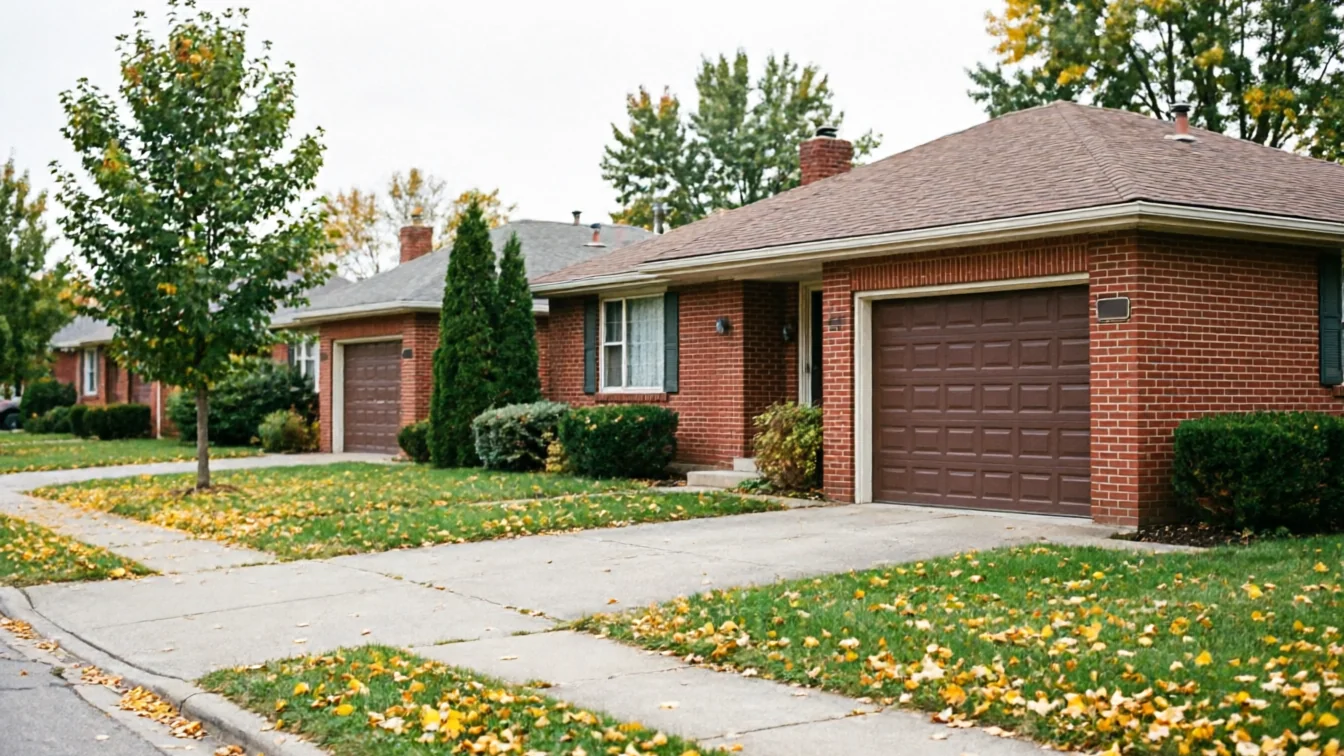
It's common. A lot of Roseville homes from around 1968 still have their original torsion springs, and a spring that old has usually absorbed far more open-close cycles than it was rated for, even if it hasn't failed yet.
Cold makes steel springs and cables more brittle and less forgiving of existing wear, which is why a spring that's been weakening for years often finally lets go during a stretch of severe cold rather than in summer.
We don't promise a specific response time for Roseville since every job here is routed from our Minnetonka location. Call and we'll give you an honest estimate of when we can get out, based on the day's schedule.
Explore more
Ready when you are
Minnetonka Garage Door Pros repairs and installs garage doors, springs and openers in Minnetonka, MN and the surrounding area.