
Champlin housing age
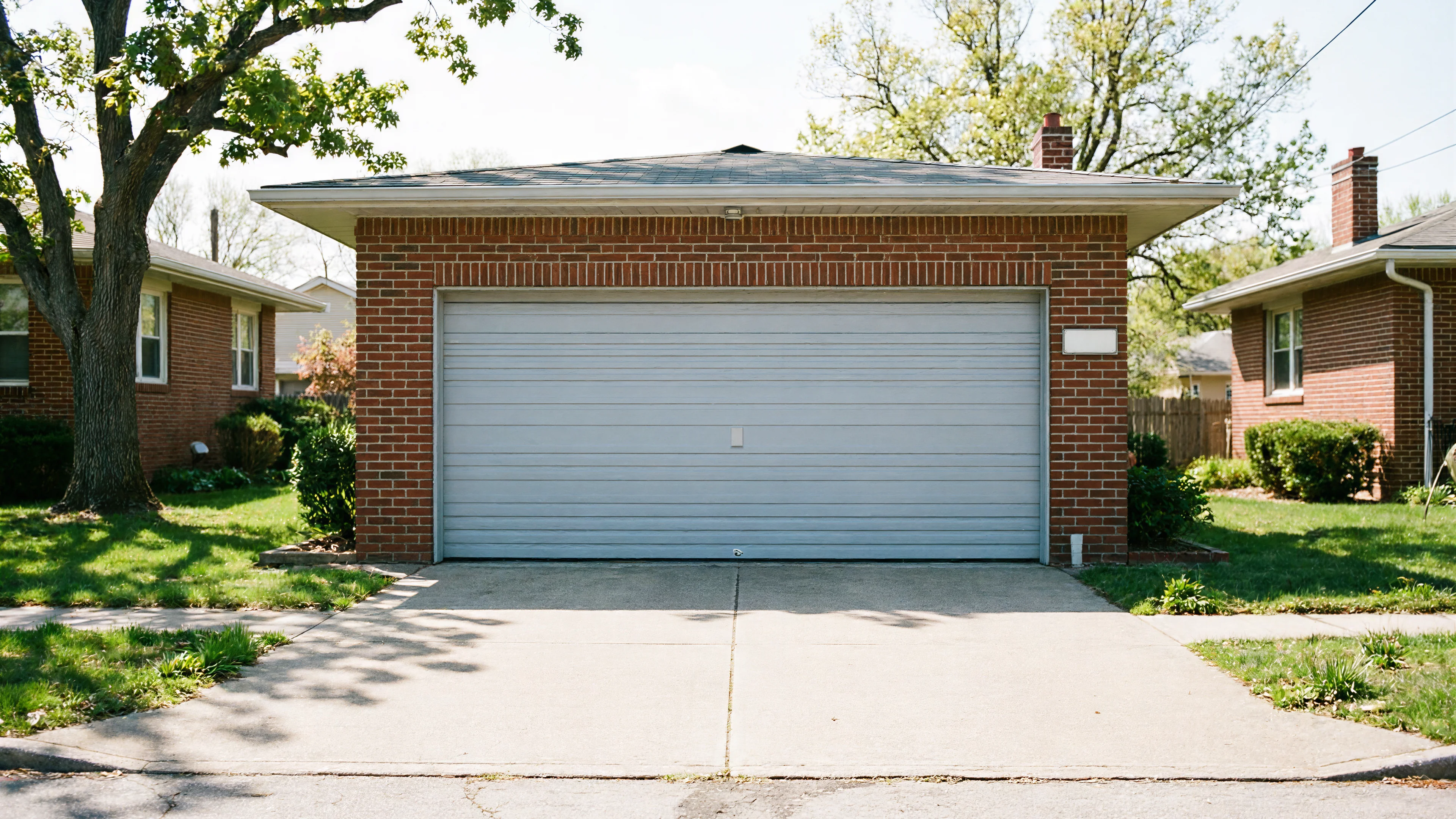
What we can tell you is that Champlin's housing stock runs newer than a lot of what we cover out of Minnetonka. The median year built here lands around 1988, compared to a median closer to 1977 across the broader service area.
Champlin, Minnetonka
Champlin's housing stock runs newer than most of the service area, built around 1988 median - that changes which springs and openers fail first. Here's what that means for your door.
Pricing
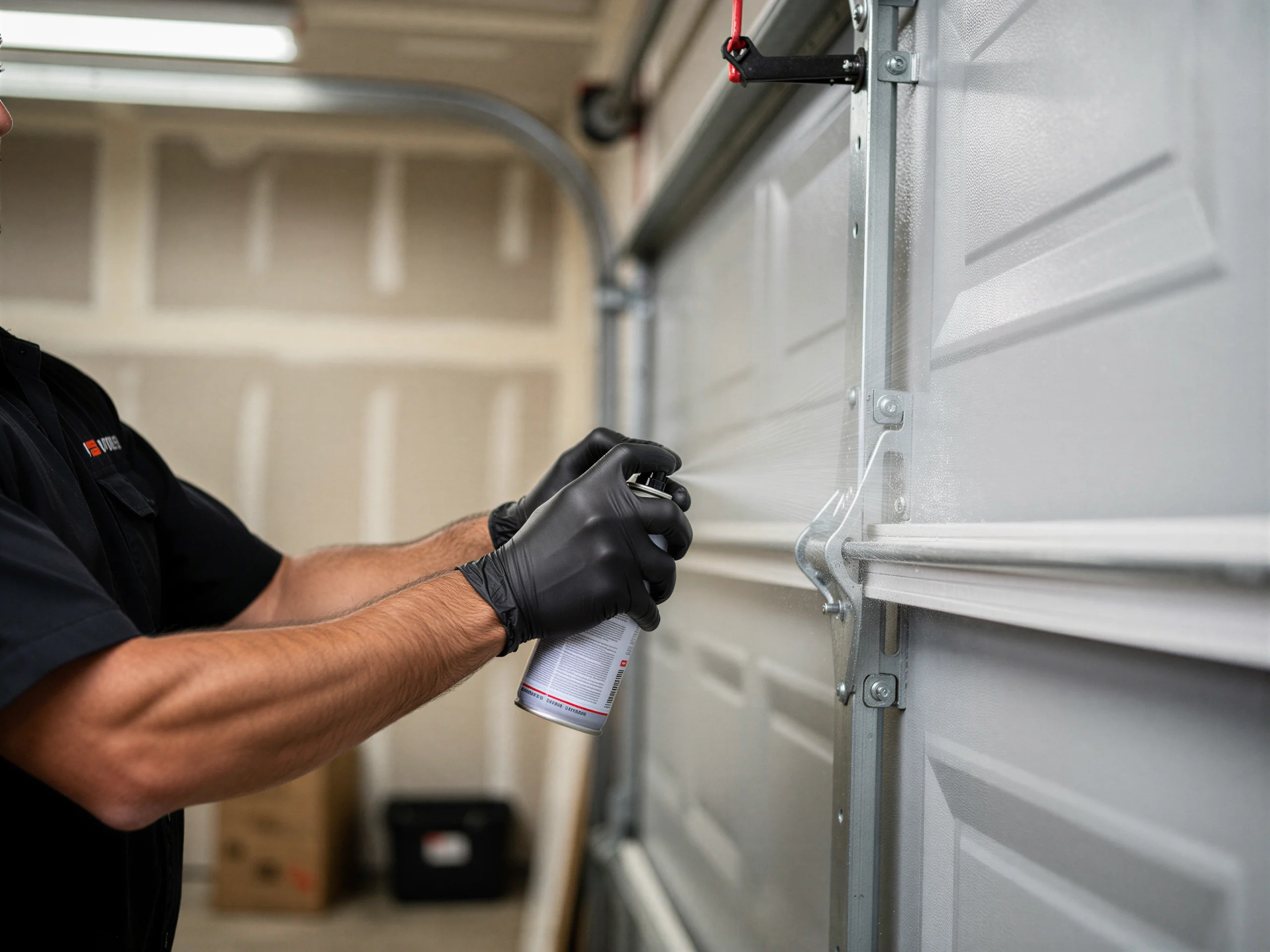
We don't post a flat price here, because what a job costs depends on the door, the spring size, and whether the opener needs to go too - and we'd rather tell you that straight than make up a number.
What we can tell you is that Champlin's housing stock runs newer than a lot of what we cover out of Minnetonka. The median year built here lands around 1988, compared to a median closer to 1977 across the broader service area.
That gap matters: a late-80s build usually still has its original torsion spring and a steel panel door, not the older wood or fiberglass sections you find on 1960s and 70s stock elsewhere. Parts for a late-80s door are easier to match than parts for something built when Nixon was in office, which can mean a simpler job and a shorter invoice.
We quote after we look at the door, not before, because guessing a price over the phone on a spring job is how shops end up padding the bill once they're on site. If your opener and spring both need replacing in the same visit, expect that to run higher than a spring alone - that's the one place cost adds up fast.
Symptoms
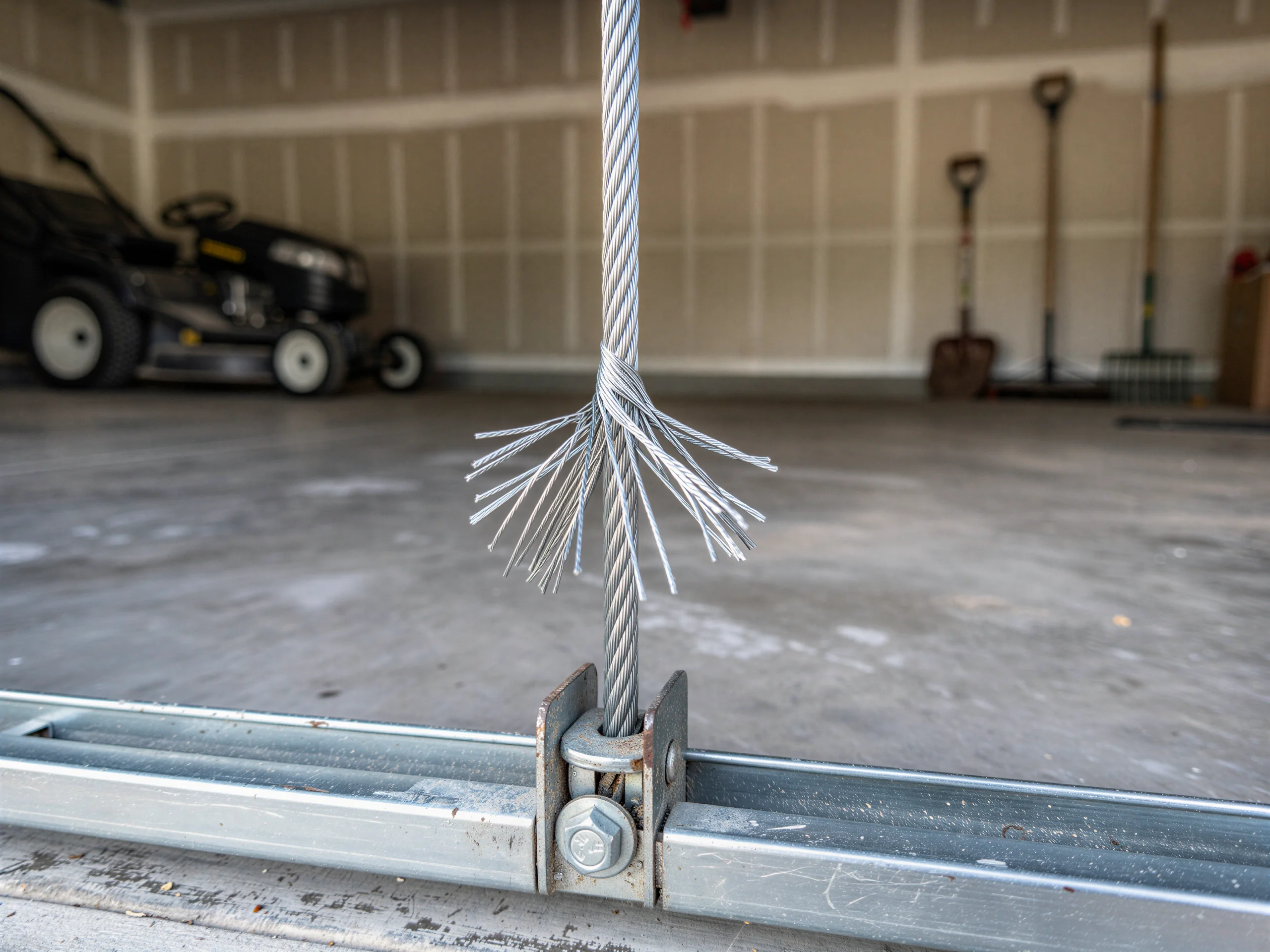
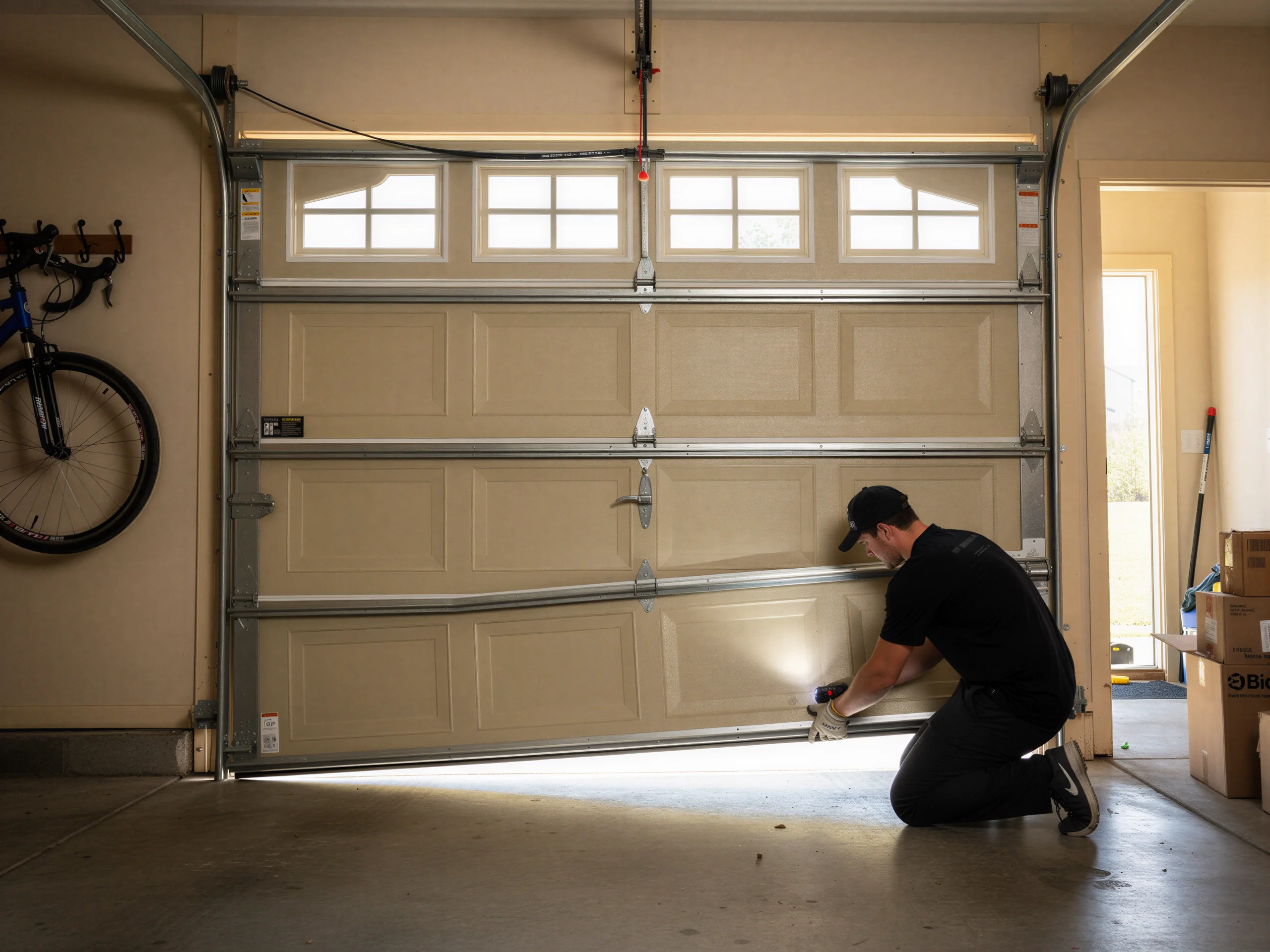
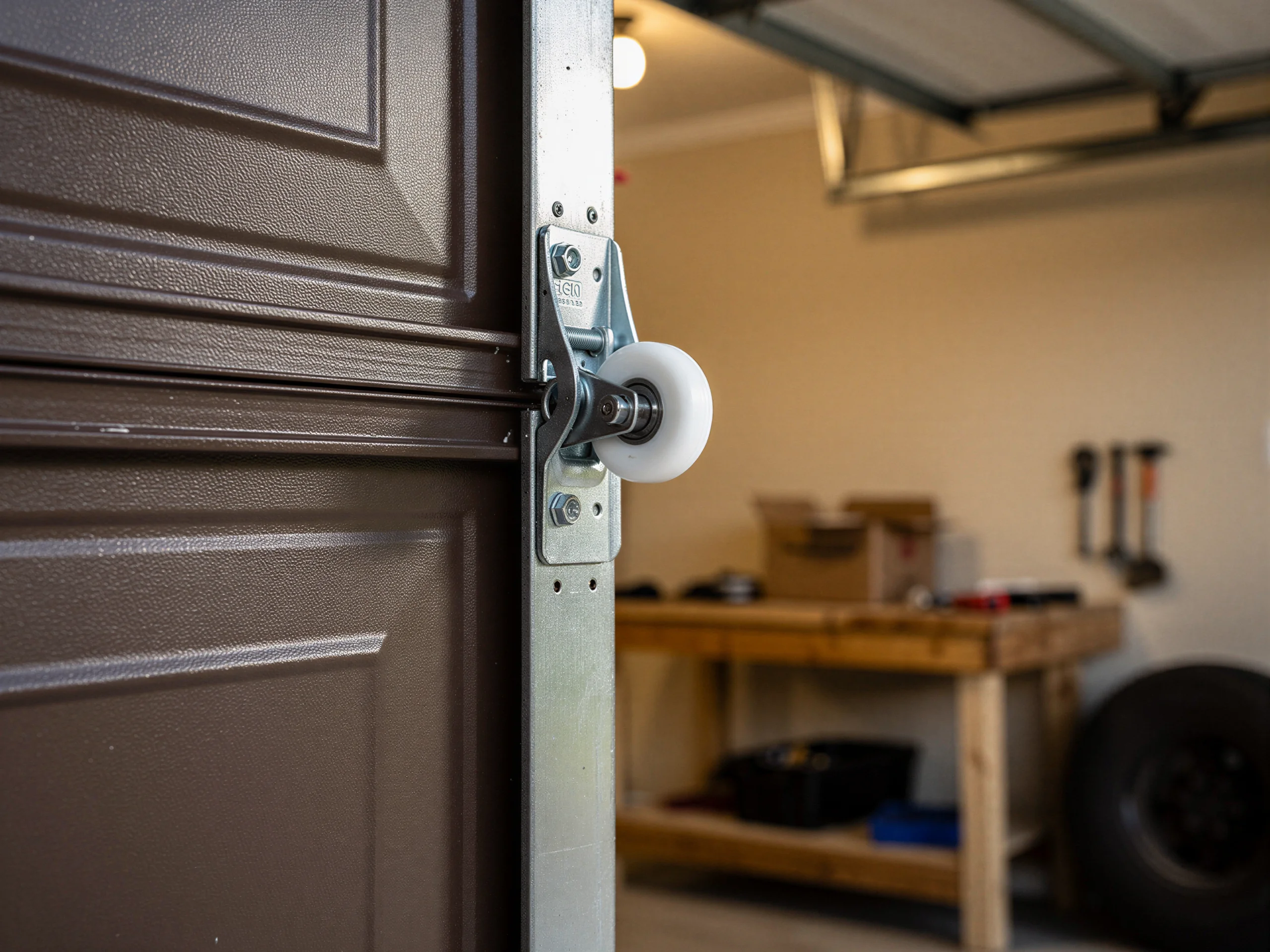
A door that's been doing its job quietly since the late 1980s doesn't fail all at once - it tells you first. Listen for a torsion spring that's lost its snap: the door feels heavier than it used to when you lift it by hand with the opener disengaged, or the opener strains and groans partway up instead of moving smooth. On a house built around 1988, that spring has likely never been replaced, and springs don't last forever regardless of how well the door was built. Another common one: rollers that have gone from quiet to a grinding rattle, especially on track sections that have taken almost four decades of Minnesota temperature swings. If the door reverses on its own partway down, that's usually the safety sensors or the limit settings, not the spring - different fix, different cost. We won't tell you every noise means a full replacement. Plenty of these doors just need a spring, a set of rollers, or a track alignment, and the panel underneath is still sound.
Timing
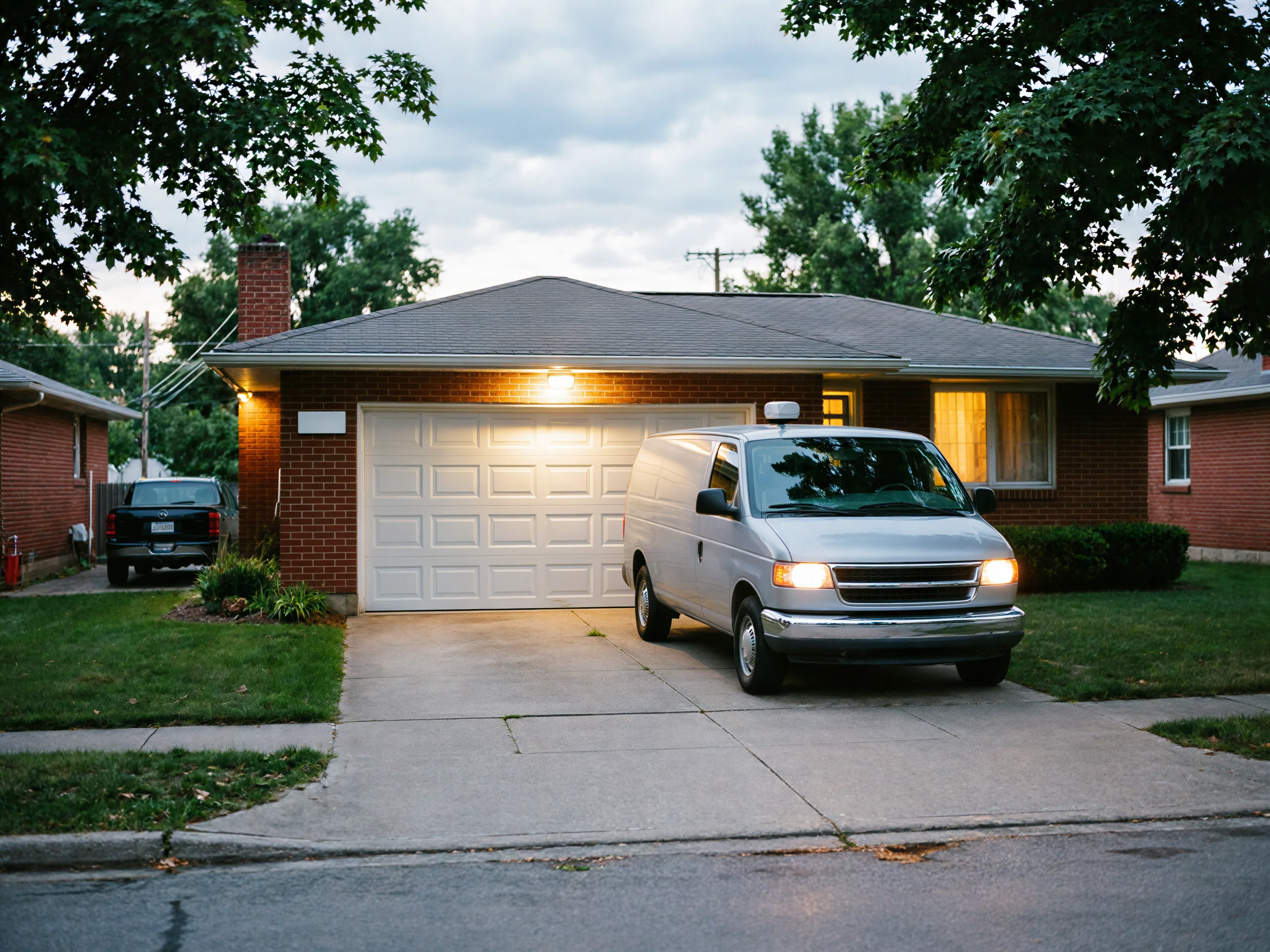
We work out of Minnetonka, about 17 miles from Champlin, so we're not a local depot with a truck parked around the corner - that's worth saying plainly rather than promising something we can't back up.
A straightforward spring or opener job, once we're on site, usually wraps in under two hours, but we're not going to put a guaranteed arrival window in writing here when the honest answer depends on the day's schedule and the drive.
What we can say is that a 1988-era door is generally less of a scavenger hunt for parts than an older one, which keeps the job itself from running long once the tech has the right spring or roller set in the truck.
If a part has to be special-ordered - which happens more with older or less common opener models - that adds days, not hours, and we'll tell you that up front instead of after the fact.
On the truck
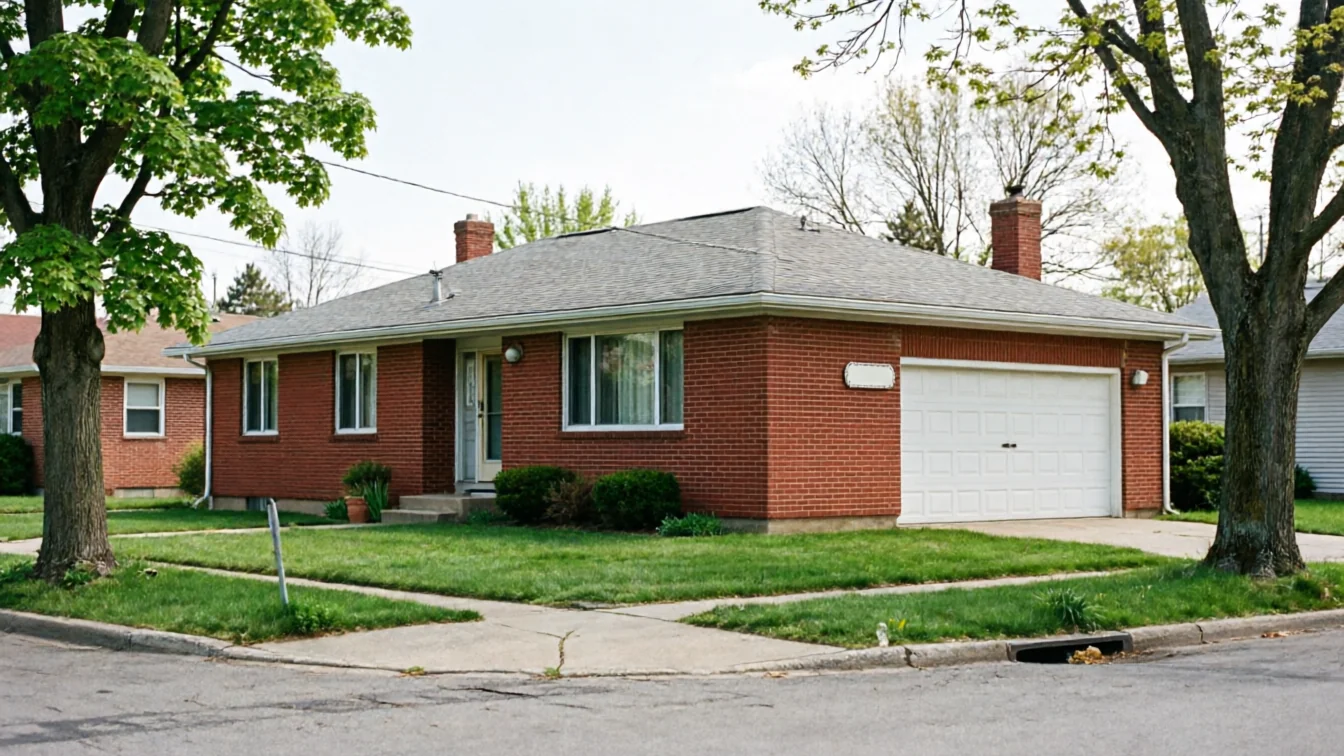
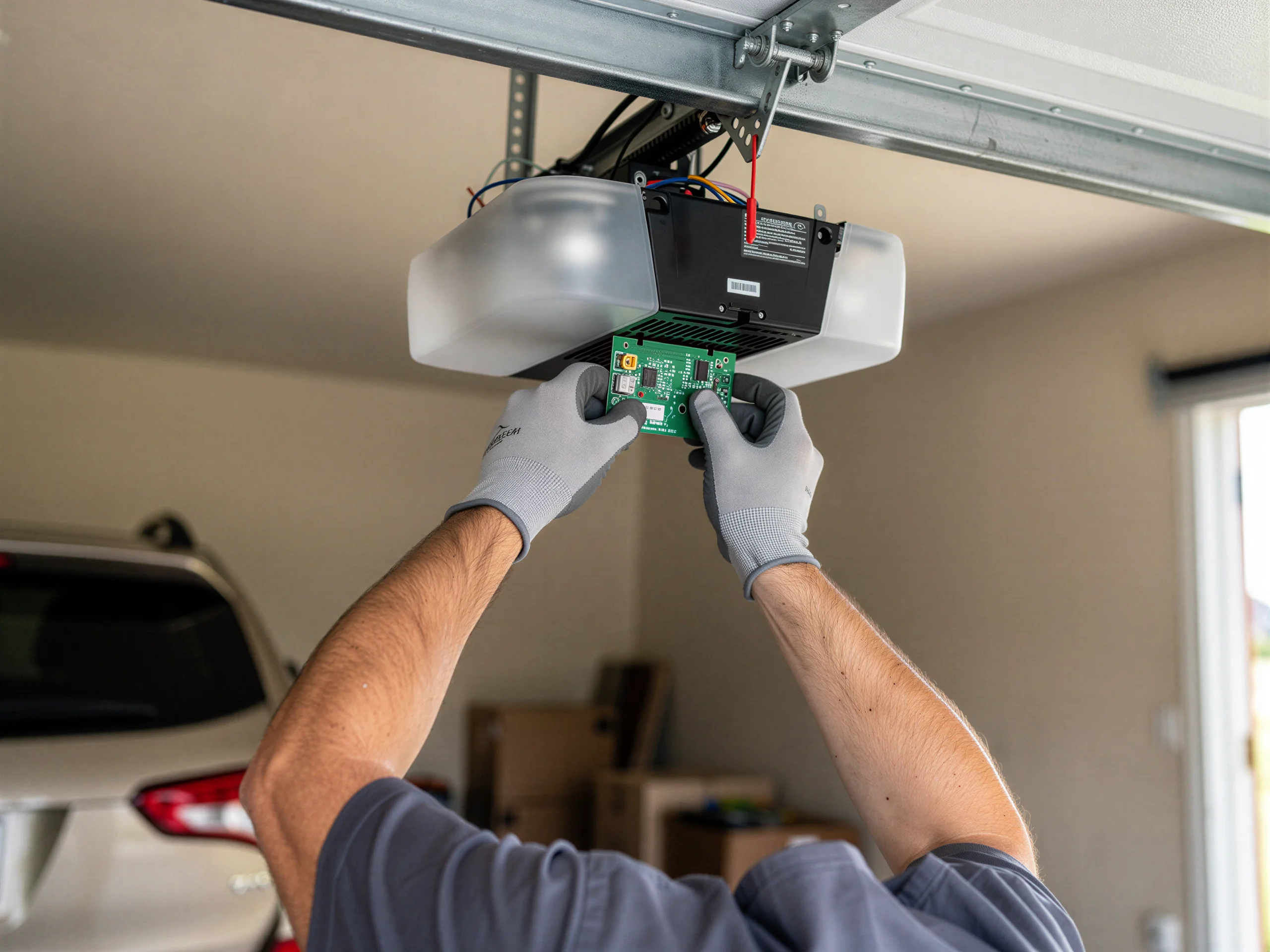
For a house in the 1988 median range, we're usually dealing with steel sectional panels, torsion springs on a standard mount, and chain or belt-drive openers from the era when circuit boards started replacing purely mechanical limit switches. We stock standard torsion springs sized for common residential door weights and the rollers and cable sets that wear out on that hardware. What we don't carry on the truck is anything custom - a non-standard panel size or a discontinued opener board - and if your door needs that, we'll tell you it's a special order rather than bolt on something that doesn't fit right. One honest limit: we don't do wood door restoration. If a door is original and wood, repair is possible for some issues, but we're not cabinetmakers, and at some point replacement is the better call than trying to save a panel that's past it.
Local causes
The service area sits in a severe cold climate band, and that doesn't care what year your house was built.
Cold snaps stiffen torsion springs and thicken the lubricant on tracks and hinges, which is why a door that worked fine in October can groan or stick once temperatures drop hard. On a Champlin house near that 1988 median, the spring and hardware have had roughly three and a half decades of that freeze-thaw cycle, which is enough time for metal fatigue to catch up with even well-made original equipment.
Combine the cold with a spring that's simply reached the end of its working life, and that's the most common service call we see on homes from this build era - not a defect, just age plus weather doing what they do every winter in Minnesota.
Booking
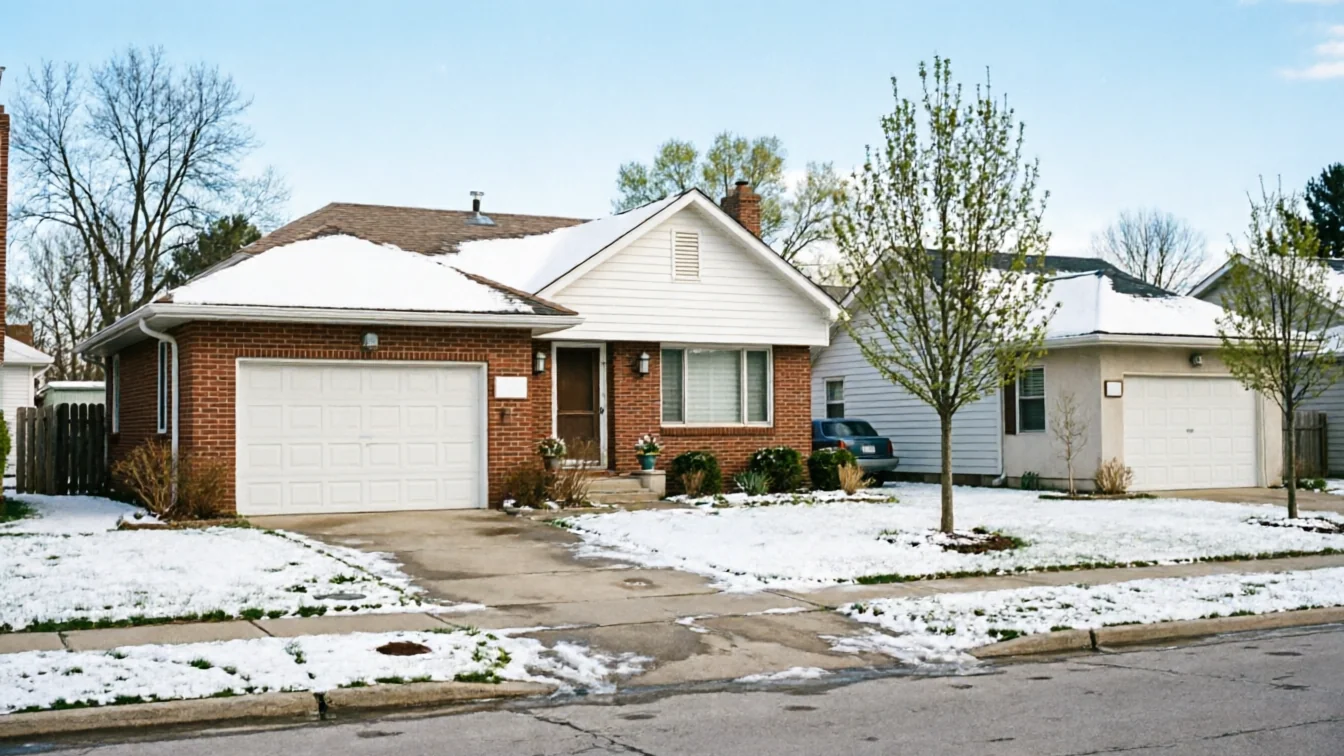
If your door is sticking, groaning under cold, or the spring looks like it's lost its tension, reach out and we'll get a tech routed out from Minnetonka. You can see the areas we cover from here on our Champlin service area page, and if what you actually need is a broader look at everything we do out of the shop, that's covered on our Minnetonka garage door service page. For Champlin specifically, tell us the door's approximate age and what it's doing - that helps us bring the right spring size and roller set on the first trip instead of a second one.
Questions
No. We work out of Minnetonka, about 17 miles away, and drive out to Champlin for service calls. We don't have a branch or depot in town, so we're not going to promise an instant arrival window - we'll give you a realistic estimate when you call.
Not particularly old by garage door standards, but old enough that an original torsion spring has likely reached the end of its service life. A door from around the 1988 median for this area usually still has standard-size steel panels, which actually makes parts easier to match than on older 1960s or 70s stock.
Yes. The whole service area sits in a severe cold climate band, and cold stiffens torsion springs and thickens track lubricant. A spring that's already fatigued from age is more likely to show symptoms - groaning, uneven lift, a heavier feel - once temperatures drop hard.
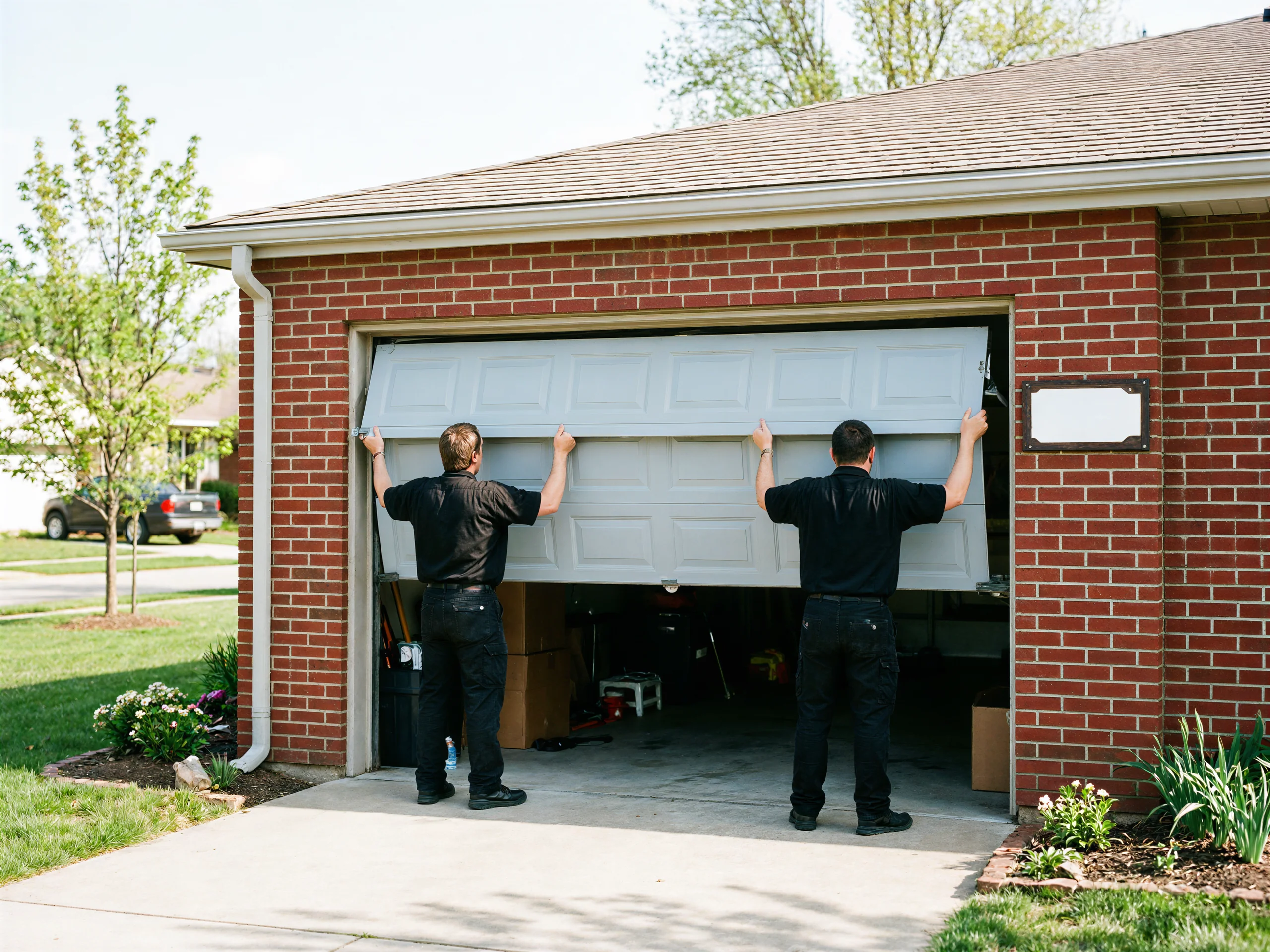
Sometimes, depending on what's wrong, but it's a real limitation for us - we're not cabinetmakers and don't do wood restoration work. If the panel is original and badly worn, we'll usually tell you replacement makes more sense than trying to repair it.
Explore more
Ready when you are
Minnetonka Garage Door Pros repairs and installs garage doors, springs and openers in Minnetonka, MN and the surrounding area.