
Worn stems and cracked wheels
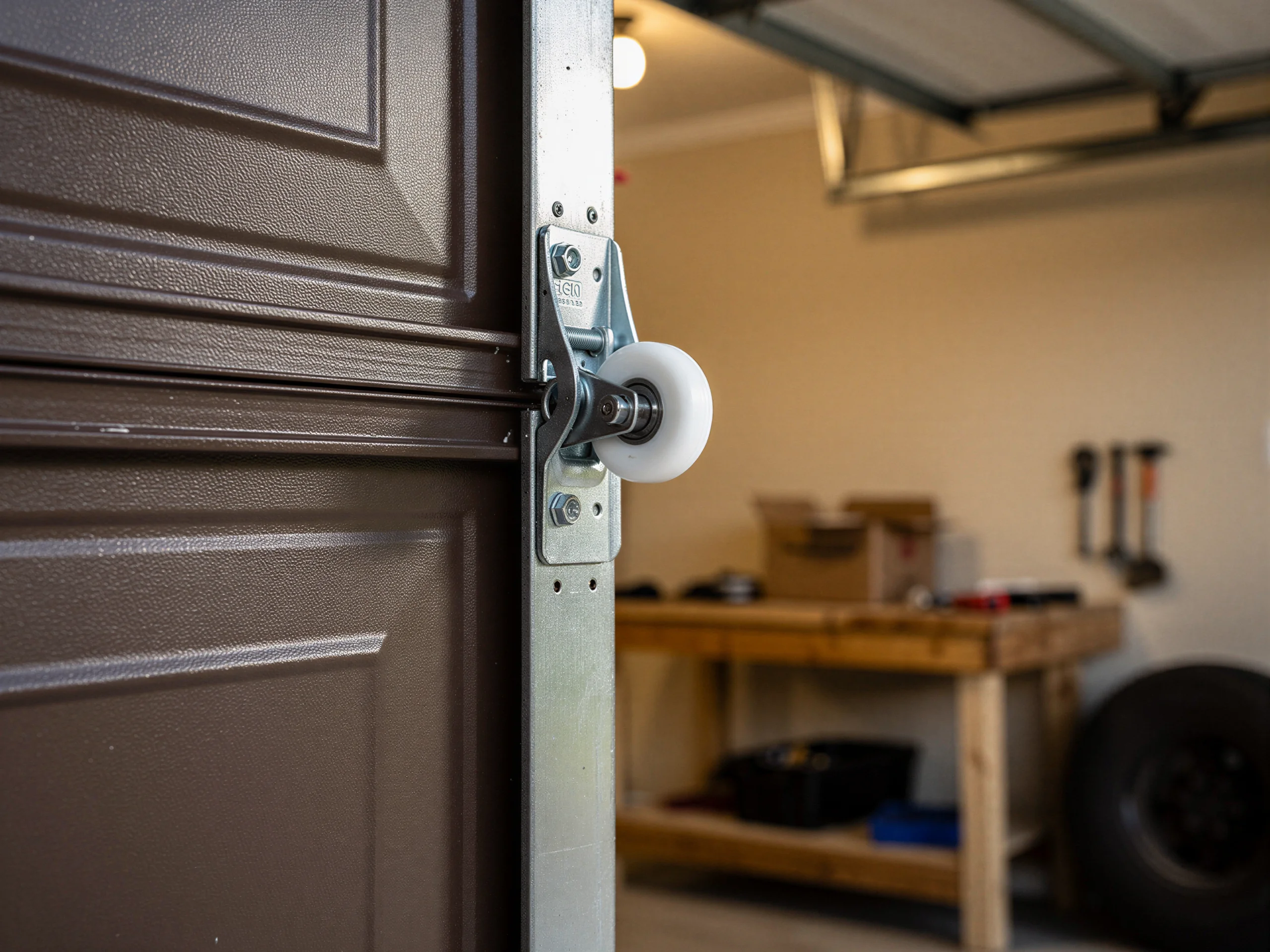
That's a roller giving up - usually one with a worn stem or a cracked nylon wheel that's lost its round shape and started gouging the track instead of rolling through it.
Excelsior, Minnetonka
Rollers on Excelsior's late-1960s doors wear differently than newer stock. We drive the 6 miles from Minnetonka to swap steel or nylon rollers and get the track running quiet again.
Booking
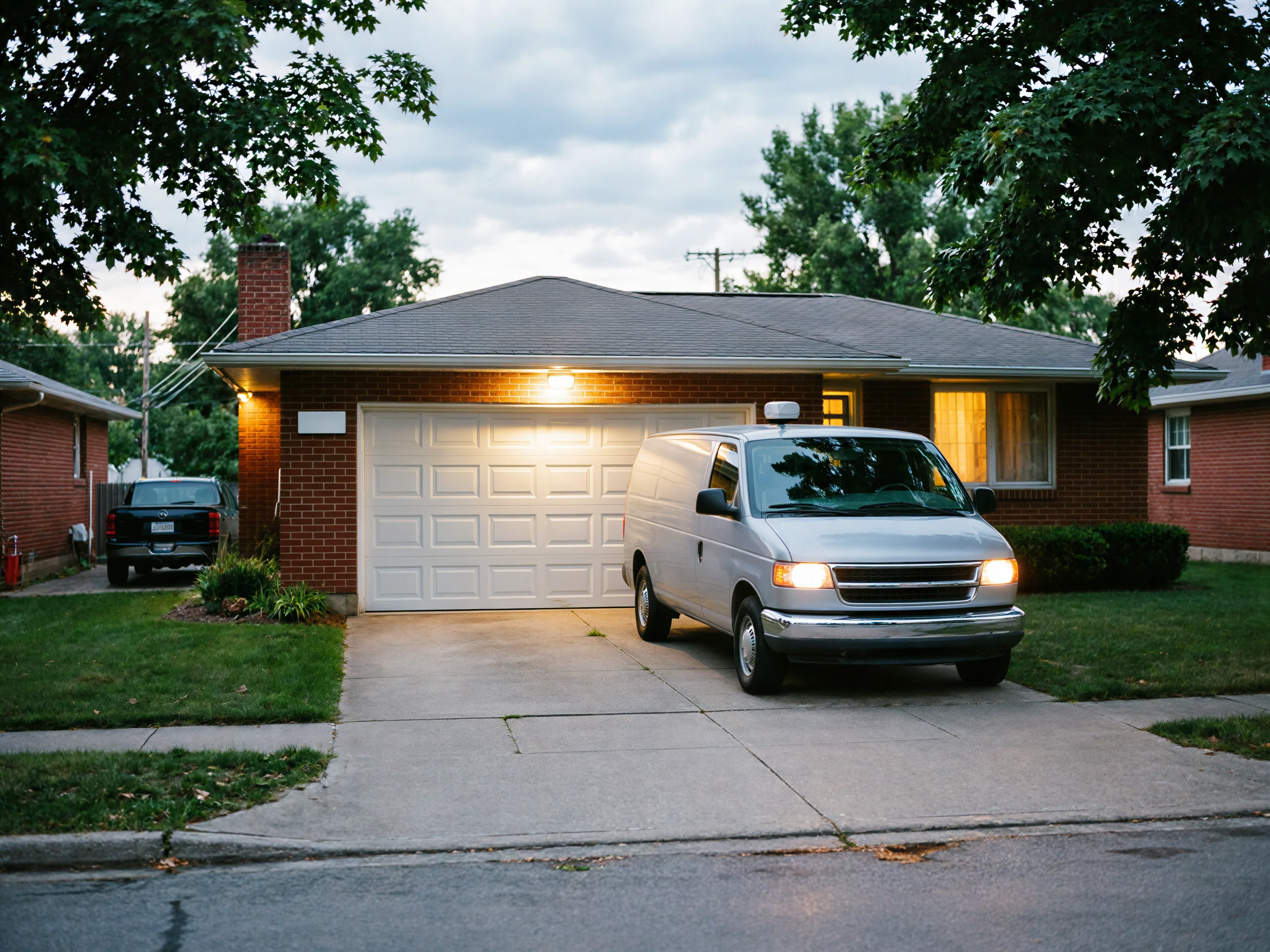
We're based in Minnetonka, about 6 miles east of Excelsior, and we run service calls out here on a regular basis. There's no local branch or drop-off point in town - we load the truck in Minnetonka and come to you. Tell us the door is grinding, hopping, or catching on one side when it opens, and we'll bring a stock of roller sizes so the job doesn't turn into a second trip. If you want details on the full range of door work we cover from Minnetonka, that's on our main Minnetonka page, but this page is just about getting your rollers swapped.
Symptoms
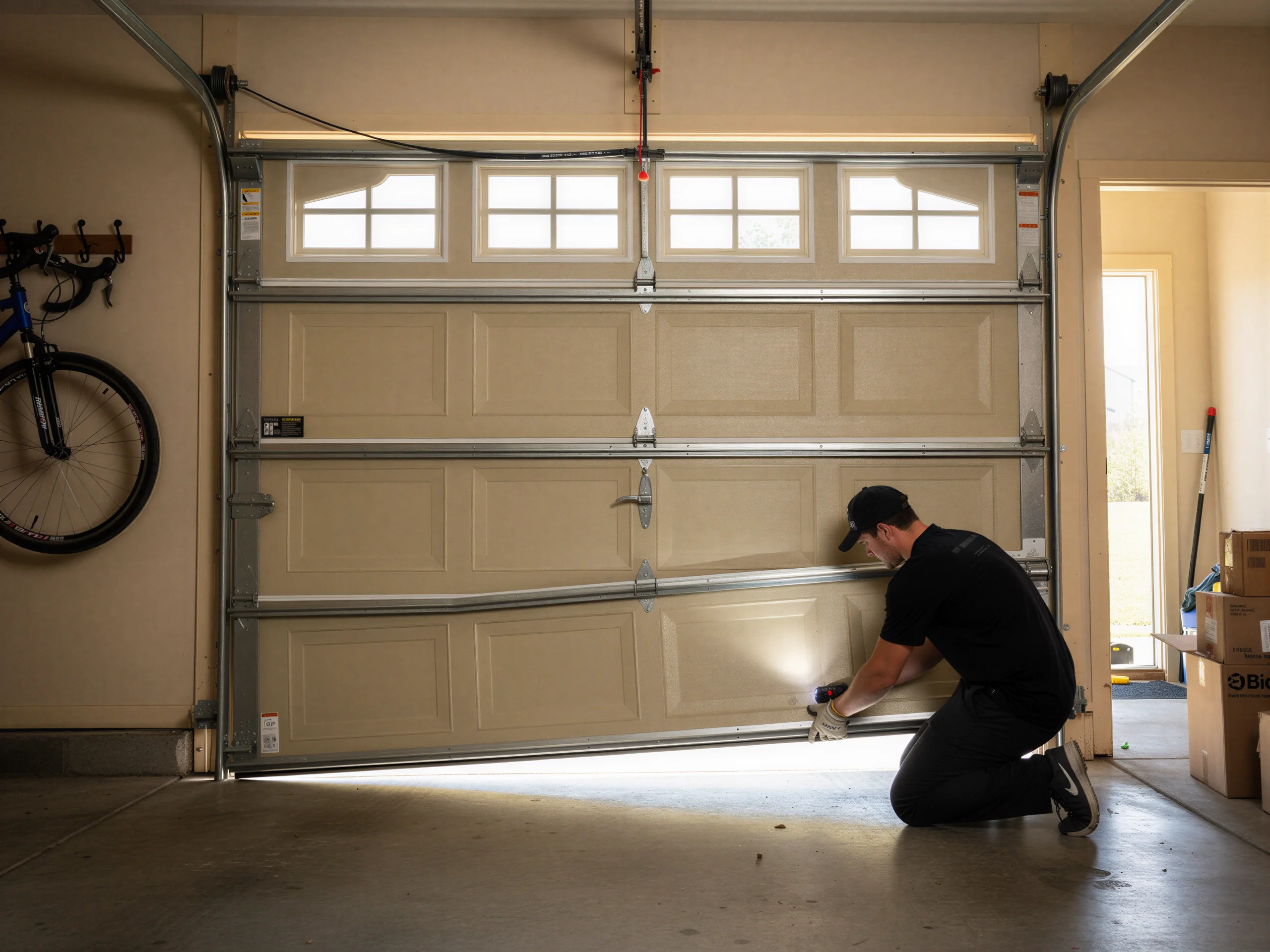
The complaint we hear most from Excelsior homeowners is a door that jerks partway up the track, then shudders the rest of the way, with a grinding noise that gets louder in the first cold snap of the year.
That's a roller giving up - usually one with a worn stem or a cracked nylon wheel that's lost its round shape and started gouging the track instead of rolling through it.
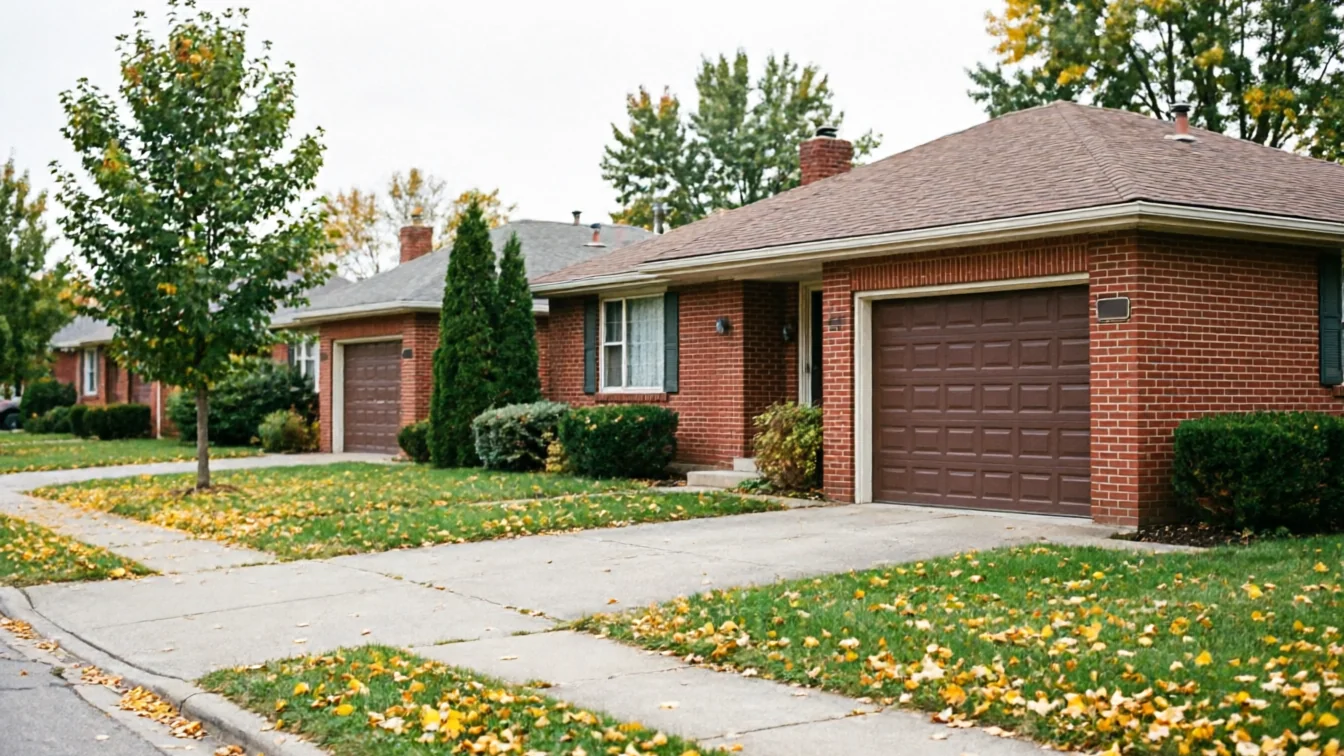
The median house in Excelsior was built around 1968, which matters here. Doors from that era were set up with steel rollers and shorter track radius than what you'd find on anything built after the 1980s.
Steel-on-steel wears faster and louder, and once the bearing dries out, the whole door starts walking sideways in the track instead of sliding straight. If your house is from that original run of construction, this is the failure to expect, not a broken spring or a dead opener.
The repair
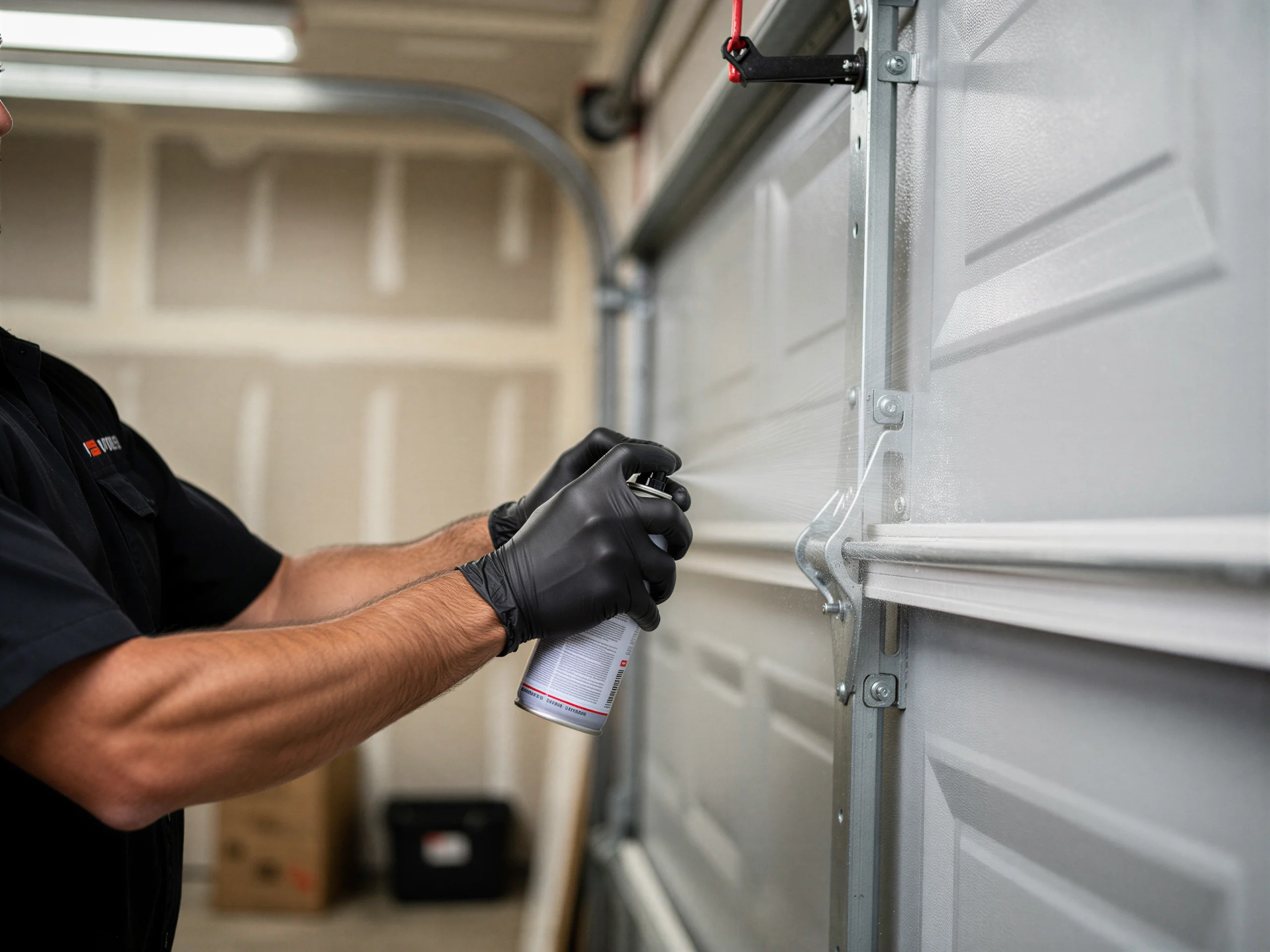
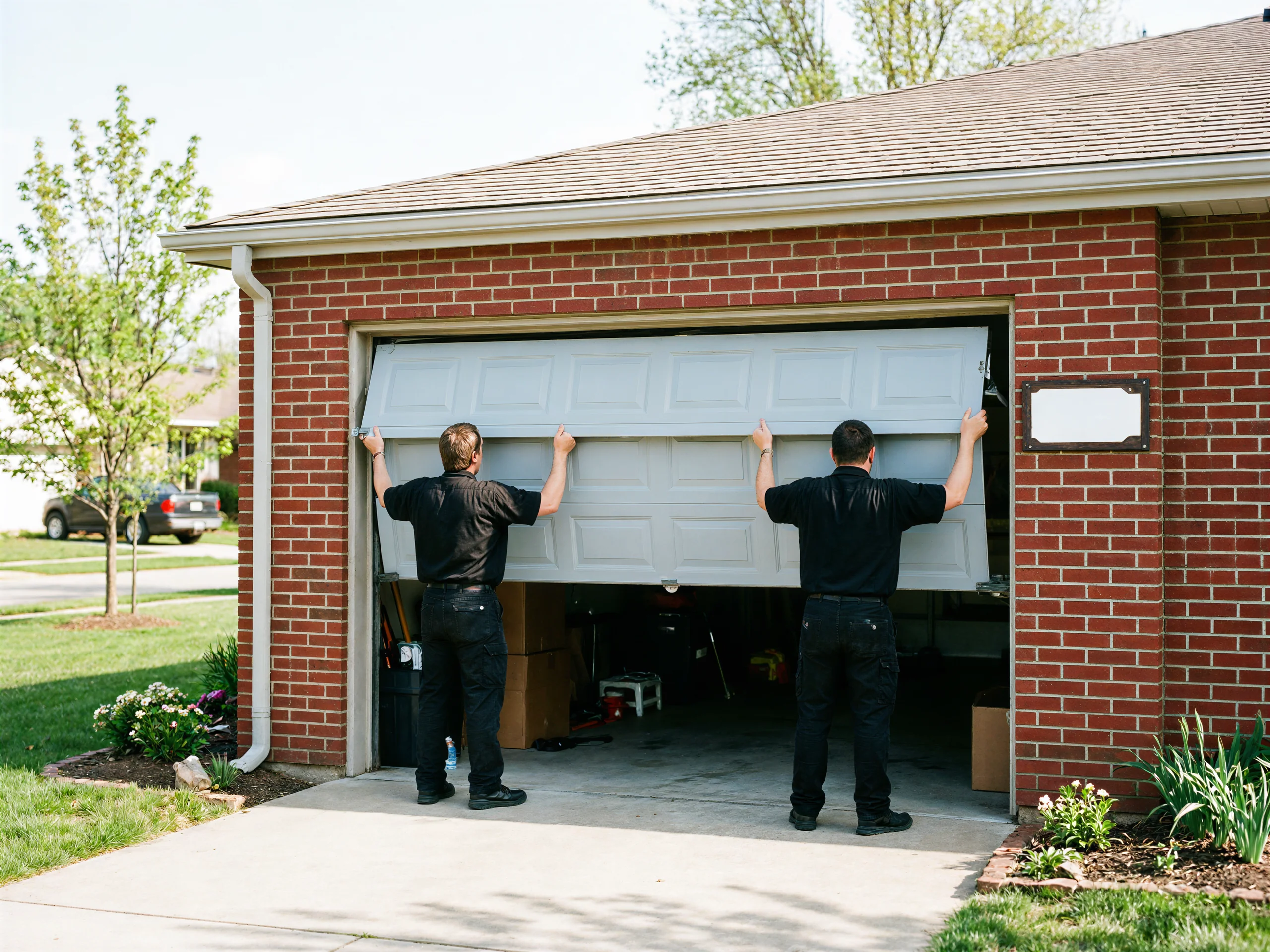
We pull the door down section by section, working loose the roller brackets without dropping the panel on the track. On the older steel-roller setups common in Excelsior's 1960s stock, the brackets are often rusted to the stem, so the first step is usually freeing that joint before anything comes out clean.
Once the old rollers are off, we check the track for the gouging a bad roller leaves behind - if the track's been chewed up, no new roller will ride smooth in it, and we'll say so rather than hand you a quiet fix that won't last. Straight track gets new rollers front to back, not just the one that failed, because the others are usually close behind it on the same door. We test the full cycle before we leave, not just the section we touched.
On the truck
We carry both nylon and steel rollers on the truck, in the stem lengths and wheel sizes that match the track radius used on doors from the 1960s through the 2000s - which covers the bulk of what's actually on the ground in this part of the service area, since local housing runs 1957 to 2005.
Sealed-bearing nylon rollers are the standard swap now; they run quieter and don't need the lubrication steel rollers demand every season. One limit worth being upfront about: if your track itself is bent or badly worn from years of a bad roller grinding against it, roller replacement alone won't fix the noise.
That's a track job, not a roller job, and we'll tell you which one you're actually looking at before we start charging for parts you don't need.
Pricing
We don't have a posted price list for this page, and we're not going to invent one. What you pay depends on how many rollers need replacing, whether it's nylon or steel, and whether the track needs attention too. We quote it on the visit, after we've actually looked at the door, not over the phone from a description. What we can tell you is that a roller job is a fraction of what a full door replacement runs, and for most of the doors we see in Excelsior, it's the right call before anything more drastic.
Local causes
Minnesota's cold climate is hard on roller hardware generally, but the specific failure mode in Excelsior traces back to the age of the housing stock. A lot of these doors have never had the rollers touched since the house was built in the late 1960s - original steel rollers running on original track, decades past when they should've been swapped.
Cold, dry winters make steel rollers shrink slightly and the bearing grease stiffen, which is exactly when you hear that grinding start. Add the thermal cycling from a severe cold climate and the stem-to-bracket joints work loose over the years, which is why the brackets often need freeing up before the roller even comes off. It's a predictable pattern once you know the housing era, and it's why we bring both roller types on every call out to Excelsior rather than guessing which one we'll need.
Questions
If the house dates to the 1960s stock common here and the rollers are original, they're well overdue - steel rollers from that era typically need replacing long before now. Nylon replacements last longer and run quieter, which is why most homeowners switch when the originals finally give out.
Yes. We work from Minnetonka, about 6 miles away, and roller replacement is a routine call for us out here. We bring both steel and nylon roller stock so we're not guessing which one your door needs once we're on site.
It can. A cracked or flat-sided roller grinds against the track instead of rolling through it, and over months that gouges the metal. If the track's already damaged, we'll tell you - swapping the roller alone won't quiet a door riding on a chewed-up track.
Not a firm one, because the cost depends on how many rollers are bad and whether the track needs work too. We look at the door first, then quote it. We'd rather tell you the real number on site than guess low over the phone.
Explore more
Ready when you are
Minnetonka Garage Door Pros repairs and installs garage doors, springs and openers in Minnetonka, MN and the surrounding area.